






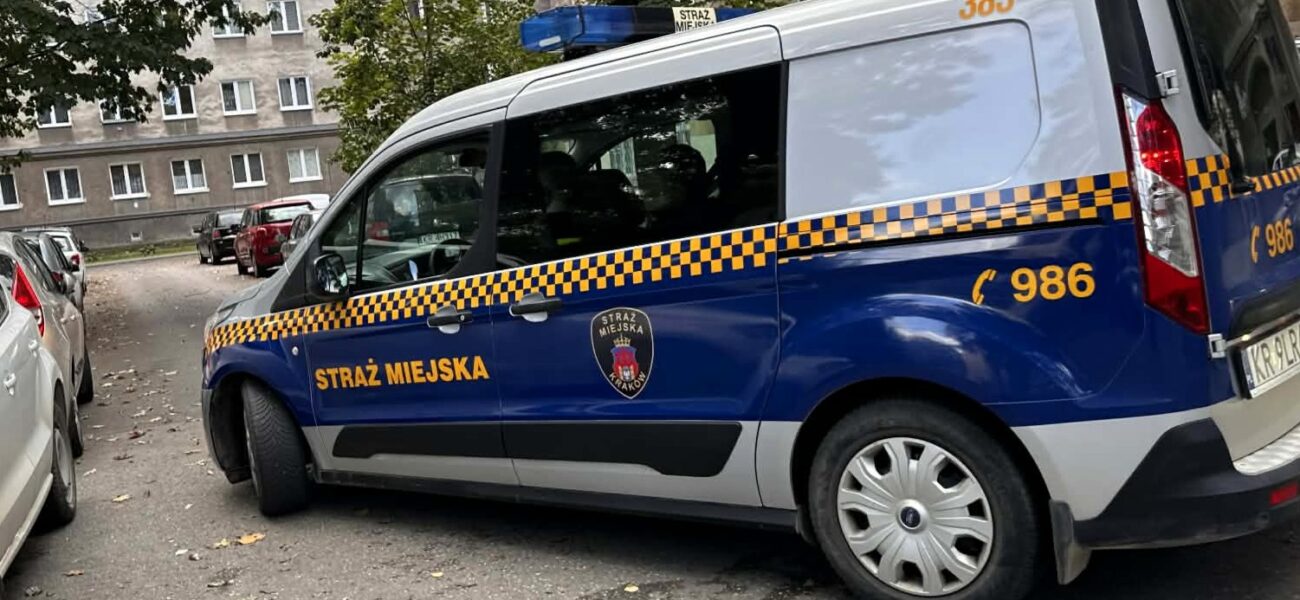
Over 10,000 Low Emission Zone Checks and Only 32 Fines in Kraków
Between January 1 and July 2, 2026, Kraków municipal guards inspected over 10,000 vehicles regarding Clean Transport Zone rules, issuing only 32 fines and hundreds of reprimands. Scale of Inspections...
Between January 1 and July 2, 2026, Kraków municipal guards inspected over 10,000 vehicles regarding Clean Transport Zone rules, issuing only 32 fines and hundreds of reprimands.
Table Of Content
Scale of Inspections
From January 1 to July 2, 2026, municipal guards in Kraków inspected 10,087 vehicles to check compliance with Clean Transport Zone rules. The vast majority of drivers who failed to meet the zone standards were not issued a fine.
During this period, officers issued 32 fines, reprimanded 569 drivers, and submitted one court application for punishment. This means a fine was issued in approximately one out of every 315 checks conducted.
Over 154,000 PLN for Three Months of Zone Work
KRKnews.pl also inquired about the costs associated with the Municipal Guard’s work regarding the operation of the Clean Transport Zone. The municipality reported that the estimated cost of guard labor linked to zone checks from January to March 2026 reached 154,536.99 PLN.
The city emphasized that this sum should not be treated as an additional budget expense arising solely from the zone’s operation. Tasks related to the zone are carried out by municipal units within their statutory duties and existing personnel resources.
Costs Exist Despite No New Expenses
The guards’ salaries would be paid regardless of whether the Clean Transport Zone existed. However, every hour spent on zone checks represents the use of municipal resources for a specific task, meaning guards would otherwise perform different duties.
This means the 154,000 PLN is not an extra bill issued to the city for the zone’s existence, but a valuation of work shifted from other duties toward zone inspections.
Purpose of Calculating Costs
The municipality explains that this compilation is primarily informative, allowing the city to estimate resources engaged in the zone and compare them against generated revenues. This assessment helps evaluate both fee inflows and the actual cost of operating the system.
Funds originating from zone entry fees are slated for transfer to MPK SA to purchase new, ecological rolling stock.