






Death Cap vs. Parasol Mushroom: Key Differences and Poisoning Symptoms
Understanding the critical differences between the deadly death cap and the edible parasol mushroom can prevent fatal poisonings during autumn mushroom foraging in Polish forests. Key Differences...
Understanding the critical differences between the deadly death cap and the edible parasol mushroom can prevent fatal poisonings during autumn mushroom foraging in Polish forests.
Table Of Content
Key Differences Between the Parasol Mushroom and Death Cap
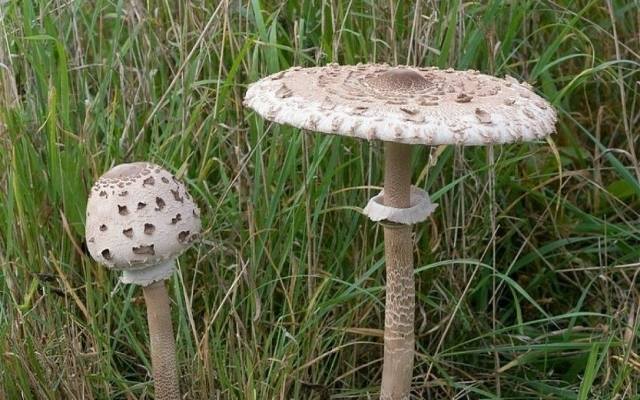
First, the parasol mushroom is generally much larger than the death cap. Second, the cap of the parasol mushroom features scaly, brownish elements that can be rubbed off, and its cap and stem are shaggy. In contrast, the cap of the death cap is usually smooth at the top, though sometimes slightly fibrous, and comes in greenish, yellowish, or grayish shades.
Underneath the cap, parasol mushrooms feature white, relatively wide gills. Their slender stem has a mobile ring, a feature absent in the greenish death cap. At the base of the stem, the parasol has a bulbous swelling without a volva, whereas the death cap possesses a distinct volva forming a wrapper at the base.
Debunking Common Mushroom Myths
Mushroom foragers must discard dangerous misconceptions: worm-eaten mushrooms are not automatically safe, and a silver spoon will not tarnish simply because a toxic specimen is in the pot. Furthermore, onions do not necessarily darken when cooked with poisonous mushrooms, as an onion in a pot with toxic fungi can remain entirely white.
It is also a fallacy to assume that a mushroom is safe to eat just because it lacks a bitter taste. The death cap is actually very palatable and possesses a very pleasant, delicate aroma.
Toxins and Symptoms of Death Cap Poisoning
The death cap contains two types of toxins: phallotoxins and amatoxins, with alpha-amanitoxigenin being the primary agent responsible for poisoning. These toxins cause irreversible damage to the liver and other internal organs.
The first symptoms of death cap poisoning appear relatively late, typically 8 to 12 hours after consumption, by which point the majority of the toxin has already been absorbed into the bloodstream. Individuals who ingest the death cap experience dizziness, headaches, nausea, vomiting, abdominal pain, diarrhea, and accelerated heart rate.