




Tusk in Kraków: Government Prepares “Metro Polska” with Kraków First in Line
Prime Minister Donald Tusk visits Kraków amid the presidential campaign as the Infrastructure Ministry develops the “Metro Polska” program, positioning Kraków first for funding. “Metro...
Prime Minister Donald Tusk visits Kraków amid the presidential campaign as the Infrastructure Ministry develops the “Metro Polska” program, positioning Kraków first for funding.
Table Of Content
“Metro Polska”: Government Aims to Enter Largest Cities
Minister of Infrastructure Dariusz Klimczak confirmed in May that the ministry is analyzing the possibility of developing metro systems in around ten of Poland’s largest cities. The project has received the working name “Metro Polska,” analogous to the government’s Port Polska development program.
The premise is simple: the state and local governments would jointly implement major transport investments where traditional tram and road systems are no longer sufficient. The Infrastructure Ministry went a step further, with Deputy Minister Piotr Malepszak reporting that the ongoing analysis will determine rail transport implementation possibilities and establish funding foundations for the next EU financial perspective, which is crucial as funding remains Kraków’s biggest metro challenge.
10 Billion Euros for Metros in Polish Cities
The Ministry of Infrastructure has requested the secure allocation of approximately 10 billion euros in the EU financial perspective for 2028–2034 to develop metro systems in Polish cities. While this pool is for a nationwide program and will not go exclusively to Kraków, the city’s sequence is critical.
During a meeting of the Parliamentary Team for Metro Construction, government representatives declared that Kraków ranks first regarding investment preparation and potential support scale. Consequently, if the state establishes a nationwide metro financing mechanism, Kraków is set to be its first major beneficiary.
Why Kraków?
Kraków’s position stems from concrete preparations rather than political declarations alone, as the city has already prepared a Study of Metro Development Directions, conducts ongoing design work, and has initiated geological surveys. Procedures for soil and water testing along the planned lines were launched in May.
Municipal analyses indicate that nearly 40 percent of Kraków residents would live within a ten-minute walk of a metro station, and approximately 63 percent would gain direct access to fast rail transport when including trams and agglomeration railways. The plan ultimately envisions two lines with a total length of about 29 kilometers, placing Kraków far ahead of other Polish cities considered in the program.
There is also a dual-use element to the investment, meaning the new tunnels would serve daily communication while offering civil protection and population safety capabilities during crises. This opens the potential to draw on state security and resilience funds alongside transport and European money.
Tusk in Kraków and the Need for Concrete Details
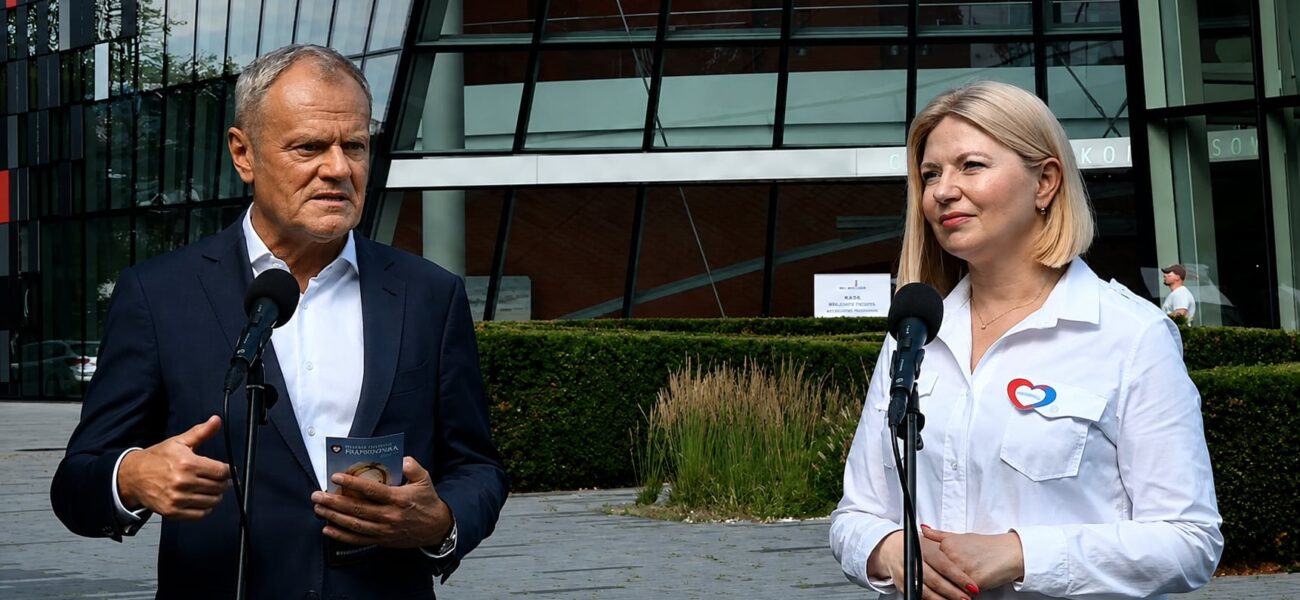
Donald Tusk’s presence in Kraków coincides with a critical moment as he joins Monika Piątkowska’s campaign while his government works on the financial mechanism required to make the city’s metro a reality. Since Kraków cannot shoulder such an investment alone, external funding is practically essential.
Ultimately, specific details regarding the multi-billion program’s inclusion in the new financial perspective, the fund distribution rules, and Kraków’s retention of its number one position will matter most. The government project now extends beyond Warsaw, positioning Kraków at the very front of the queue.