






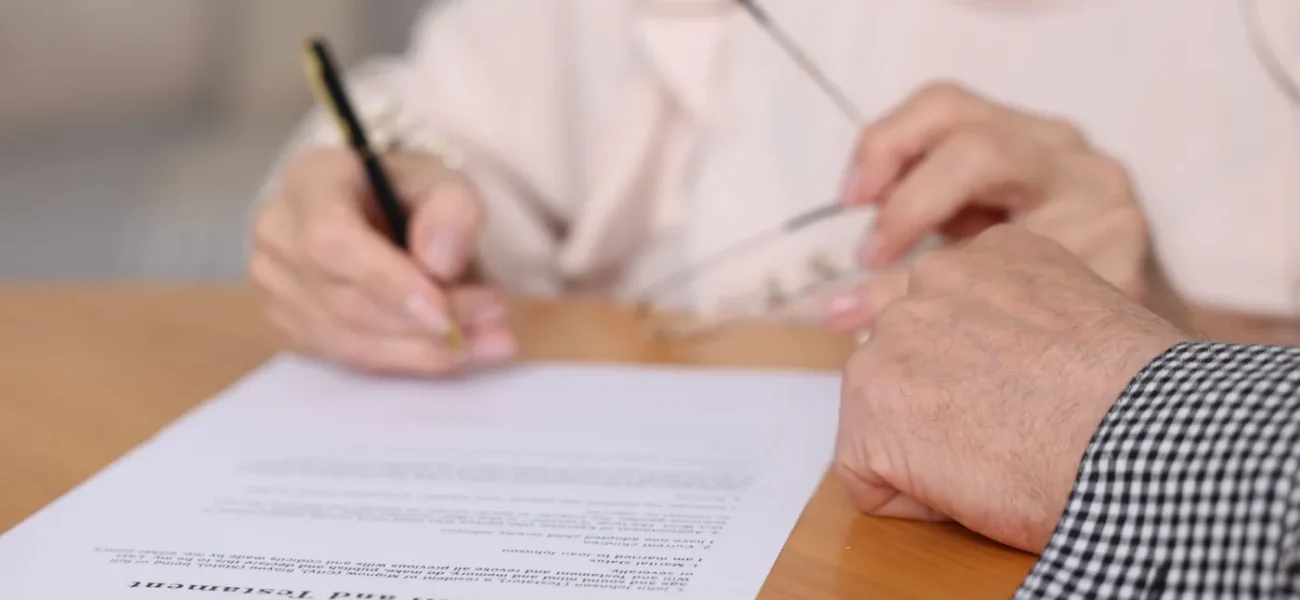
Disinheriting a Child in 2026: Mere Omission in a Will Is Not Enough
Parents omitting a child from a will in 2026 must meet strict Civil Code criteria to legally prevent claims to a forced share of the estate. Statutory Rules of Inheritance An estate can be inherited...
Parents omitting a child from a will in 2026 must meet strict Civil Code criteria to legally prevent claims to a forced share of the estate.
Table Of Content
Statutory Rules of Inheritance
An estate can be inherited based on a will or statutory regulations. If the testator leaves no will, statutory rules decide who receives the property.
Children and a spouse are called to the inheritance first. If they are absent, parents, siblings, and further relatives may inherit.
Regulations also include a child who was conceived at the time of the testator’s death but not yet born, provided they are born alive. Only when there are no entitled persons does the inheritance pass to the municipality or the State Treasury.
The Right to a Forced Share
Drafting a will allows a testator to decide who receives the property, but freedom is not absolute. One key limitation is the forced share, which protects close family members.
Therefore, simply omitting a child as an heir is not equivalent to disinheritance. The omitted descendant may still file a claim for a forced share. As legal counsel Anita Świercz emphasizes, effective disinheritance requires specific statutory conditions to be met.
Three Grounds for Disinheritance
Not every conflict between a parent and child allows stripping a descendant of a forced share. Article 1008 of the Civil Code indicates three grounds enabling disinheritance as a closed catalog.
Anita Świercz explains that grounds can include conscious and sustained behavior by the child violating duties toward the parent, such as avoiding relations or failing to provide support.
Insufficiency of Broken Family Ties
One basis for disinheritance is persistent failure to fulfill family duties. The character of the child’s behavior matters, focusing on long-term, repeatable, and culpable actions.
Significant factors include conscious avoidance of contact, lack of interest in the parent’s fate, or refusal to provide help despite the ability to do so.
The Civil Chamber of the Supreme Court ruled on July 31, 2025, that severing family bonds after years of violence does not constitute sufficient reason to disinherit a child.
Effective Disinheritance in a Will
Merely meeting a statutory ground is not enough. The cause of disinheritance must be reflected directly within the text of the will.
General statements about bad relations or disappointment are insufficient. The cause must be described through specific circumstances supported by evidence.
If a disinherited child challenges the decision, evidence such as text messages, documents, and witnesses confirms the circumstances described in the will.
Legal Consequences and Challenges
The main effect of proper disinheritance is the loss of the right to a forced share, preventing the child from claiming that portion of the estate.
Disinheritance can be challenged if the justification is too general or relies on circumstances not foreseen by Article 1008 of the Civil Code, returning the right to claim the forced share.