





Kazakhstan Holds Parliamentary Election Featuring “Against All” Option on Ballots
Kazakh citizens voted for a new single-house parliament featuring seven parties and an “against all” option, with the pro-presidential party Adilet heavily favored in exit polls. Exit...
Kazakh citizens voted for a new single-house parliament featuring seven parties and an “against all” option, with the pro-presidential party Adilet heavily favored in exit polls.
Table Of Content
Exit Polls and Presidential Power
According to exit poll results published in Kazakh state media, Adilet won between 70 and 73 percent of the vote. Reuters assessed that this result is intended to consolidate the president’s power over the country, which is an important exporter of energy and mineral resources.
Voter Turnout Across Regions
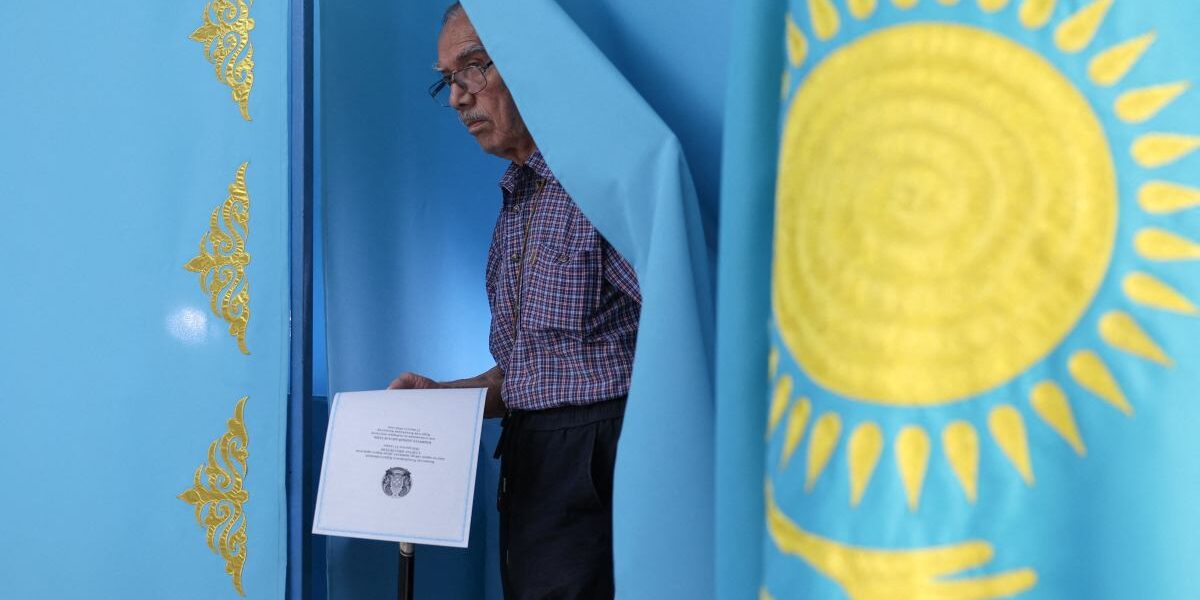
The Central Election Commission reported that 9,352,151 out of 12,605,788 eligible voters participated, representing a turnout of 74.19 percent. Turnout data is not yet complete, as voting at some foreign missions took place according to local time.
The highest turnout was recorded in the Turkestan Region at 92.16 percent, followed by the Zhetysu and Kyzylorda regions. The lowest was in Almaty, the former capital and most populous city of Kazakhstan, at 43.23 percent, while 51.67 percent of voters cast ballots in the capital, Astana.
Parliamentary Structure and Opposition Criticism
Kazakhs voted for 145 deputies of the new single-house parliament, which replaced the two-house parliament dissolved this year. Seven parties participated in the election, and the ballots also included an “against all” option.
The presidential party Adilet, formed this year on the basis of the previously ruling Amanat party—which it practically absorbed by taking over its assets and personnel—is considered the decisive favorite of the election. Opposition circles, independent observers, and experts criticized the election, pointing to the failure to admit opposition groups to the electoral lists, as all seven competing parties support the actions of President Kassym-Jomart Tokayev to varying degrees.
Official Results and Future Government Formation
The CEC is scheduled to announce the official election results by August 30. Afterward, the Kurultai is set to begin forming authorities and procedures related to appointing the government.
A new feature introduced under the strong constitution effective July 1 is the establishment of the institution of the vice president; Tokayev stated today that the person for this position will be named within the next 10 days.
Several hundred observers, including parliamentarians from over 40 countries such as Poland, monitored the conduct of the election. Final results are expected to be known no later than August 30.