




France and Germany Step Up Military and Humanitarian Aid to Ukraine Amid Intensified Russian Attacks
Following a deadly Russian strike on Kryvyi Rih, French and German leaders have announced new missile deliveries, humanitarian funding, and preparations for upcoming diplomatic talks. French Support...
Following a deadly Russian strike on Kryvyi Rih, French and German leaders have announced new missile deliveries, humanitarian funding, and preparations for upcoming diplomatic talks.
Table Of Content
French Support and Interceptor Missiles
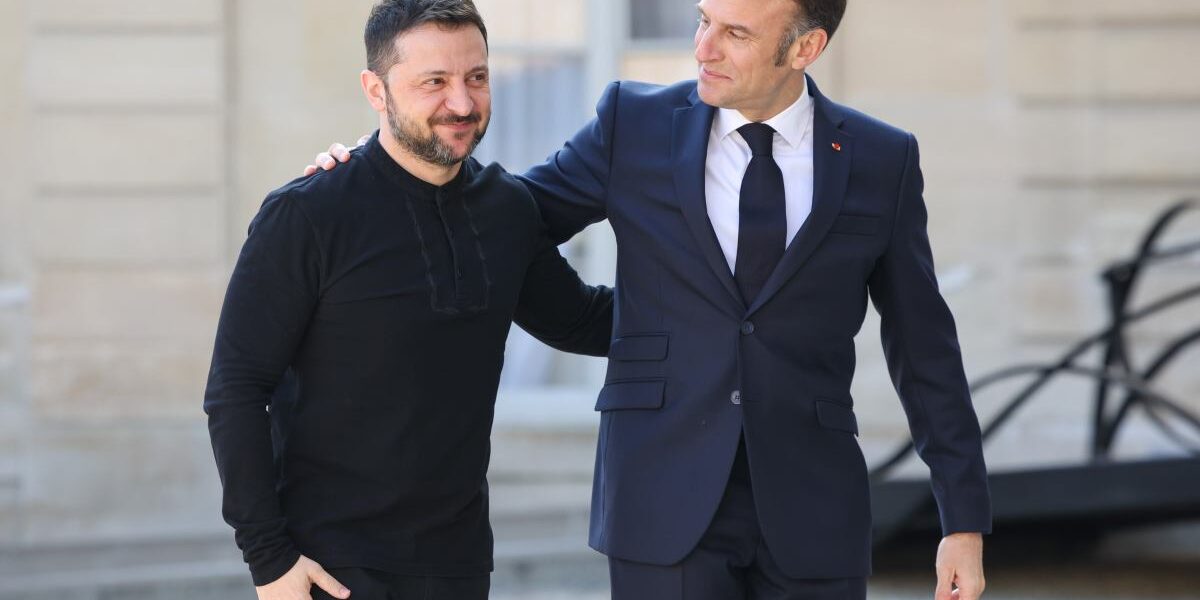
French President Emmanuel Macron announced on Saturday via X an increase in support for Ukraine, including the dispatch of interceptor missiles to Kyiv. The decision follows a Friday Russian attack on a shopping center in Kryvyi Rih in central Ukraine. Oleksandr Vilkul, head of the city’s Defense Council, reported Saturday morning that at least 16 people were killed, 130 injured, and several considered missing.
“It is extremely important that all countries with adequate means also join these efforts,” emphasized the French president on X, following a Saturday conversation with his Ukrainian counterpart, Volodymyr Zelenskyy. Macron criticized repeated Russian attacks on the civilian population and tactics of intimidation and escalation, assessing that Russia’s actions primarily reveal its weakness.
Upcoming Coalition Meeting
Macron, German leader Friedrich Merz, and British Prime Minister Andy Burnham will co-chair a meeting of the so-called coalition of the willing on Monday. Its goal is to support Ukraine in its defense against the Russian invasion, with two of the mentioned countries announcing declarations regarding Kyiv even before the meeting.
Germany Sends Additional Aid
German Foreign Minister Johann Wadephul visited Kyiv on Saturday, meeting with Ukrainian diplomacy chief Andrii Sybiha and other officials. During the first hours of Wadephul’s visit, air raid sirens sounded twice, accompanied by explosions near the capital.
Germany is currently allocating an additional 50 million euros for humanitarian aid. These funds will reach UN organizations and NGOs providing essential support to residents of Kyiv and frontline areas, Wadephul said at a joint press conference with Sybiha.
The German minister announced that Berlin will also transfer 10 million euros to the NATO Comprehensive Assistance Package (CAP) fund to support decentralized energy supplies for Ukrainian soldiers, provide medical equipment for military hospitals, and finance drone countermeasures. Wadephul noted that Russia continues to target energy infrastructure to use winter as a weapon.
US Involvement and Negotiations
Discussing upcoming talks with US Secretary of State Mark Rubio next week, Wadephul expressed hope for an active US role in the peace process concerning Ukraine. Ukrainian Minister Sybiha also pointed out the necessity of intensifying peace efforts with US participation, noting that Kyiv has creative ideas and that current efforts are in a phase of stagnation.
Germany as a Leading Donor
Wadephul emphasized that the effects of the war impact the global community, noting the influence of grain supplies on Africa and the Middle East. He reassured that Germany remains the largest bilateral donor to Ukraine and will maintain this position, standing by the country with all available means.
Ukrainian Foreign Minister Sybiha highlighted ongoing defense cooperation, calling Germany a leader in strengthening Ukraine’s air defense through systems that save lives daily.
Meeting with President Zelenskyy
Later on Saturday, Wadephul met with President Volodymyr Zelenskyy, who thanked Germany for its leadership in strengthening the country’s defense ahead of winter. Discussions also covered air defense reinforcement, civilian support, and ongoing work on a Drone Deal agreement. Wadephul additionally participated in the Veterans Forum in Kyiv and planned travel to hard-hit frontline regions.