

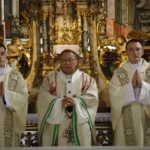




Polish Bishop Appointed to Vatican’s Highest Court by the Pope
Pope Leo XIV has appointed Bishop Krzysztof Nitkiewicz of Sandomierz as a member of the Supreme Tribunal of the Apostolic Signatura, marking a significant distinction for the Polish clergyman....
Pope Leo XIV has appointed Bishop Krzysztof Nitkiewicz of Sandomierz as a member of the Supreme Tribunal of the Apostolic Signatura, marking a significant distinction for the Polish clergyman.
Table Of Content
Vatican Appointment for Sandomierz Bishop
This is a great distinction for the bishop from Sandomierz. Pope Leo XIV appointed Bishop Krzysztof Nitkiewicz as a member of the Supreme Tribunal of the Apostolic Signatura, an organ that oversees the ecclesiastical administration of justice.
The press office of the Polish Bishops’ Conference reported on Saturday that the Pope appointed the Ordinary of Sandomierz, Bishop Krzysztof Nitkiewicz, as a new member of the Supreme Tribunal of the Apostolic Signatura.
Background of the Polish Clergyman
Who is the Polish clergyman who will sit on the Supreme Tribunal of the Apostolic Signatura? The clergyman completed specialized studies in canon law at the Pontifical Gregorian University in Rome, obtaining a doctorate, and was associated with the service of the Holy See for nearly two decades, serving among other roles as undersecretary of the Congregation for the Oriental Churches.
He is currently a consultor to the Pontifical Council for Legislative Texts and a member of the Joint International Commission for Theological Dialogue between the Catholic Church and the Orthodox Church. Since 2009, he has also served as the Ordinary of Sandomierz, and within the Polish Bishops’ Conference, he is a member of the Legal Council and the Team for Enthronement Movements.
Functions of the Vatican’s Highest Court
What does the highest court of the Vatican do? The Supreme Tribunal of the Apostolic Signatura is the highest jurisdictional body in the Catholic Church, constituting the supreme judicial instance and supervisory body over the ecclesiastical administration of justice.
The competence of the tribunal includes supervising the proper functioning of ecclesiastical tribunals worldwide and reviewing complaints regarding violations of legal procedures. Furthermore, it resolves administrative disputes, reviews appeals against administrative decisions issued by Roman dicasteries and diocesan bishops.
The tribunal also resolves jurisdictional matters, which are disputed questions concerning the competence of courts and jurisdictional conflicts between ecclesiastical bodies.