





Vanished Palaces of Wrocław: What Happened to the City’s Lost Architectural Heritage?
Once home to over thirty palaces, Wrocław lost many of its grand architectural landmarks to wartime sieges, deliberate German demolitions, and post-war communist regime policies. Wrocław as a City of...
Once home to over thirty palaces, Wrocław lost many of its grand architectural landmarks to wartime sieges, deliberate German demolitions, and post-war communist regime policies.
Table Of Content
Wrocław as a City of Palaces
One of the most recognizable castles in Wrocław is the seat of today’s City Museum. The former Castle of the Prussian Kings on Wolności Square, also called the Spätgen Palace or simply the Royal Palace, was built on the initiative of Baron Hans Ersnt von Pein und Wechmar. 40 years after its construction, in 1750, it was acquired by King Frederick II the Great.
Since then, Wolności Square became the main training ground for royal troops. In the 19th century, its name even changed to Drill Square, though it was mostly called Castle Square. To this day, military parades and academies are held on Wolności Square, where uniformed schools organize vows, solemn swear-ins of the Territorial Defense Forces take place, and decorations are awarded.
The Castle in Leśnica and Its History
One of the oldest objects historically and simultaneously the oldest castle in Wrocław is the castle in Leśnica. Today it functions as a culture house, hosting exhibitions, concerts, and conventions famous throughout Poland, such as the Fantasy Days.
Few people realize that the first stronghold was built in this place at the beginning of the 12th century. From the 14th century, it was inhabited by magnates, and then by knights of the Order of the Crusaders with the Red Star. During the Napoleonic Wars, Jerome Bonaparte lived in the castle.
Lost Residences of Wrocław
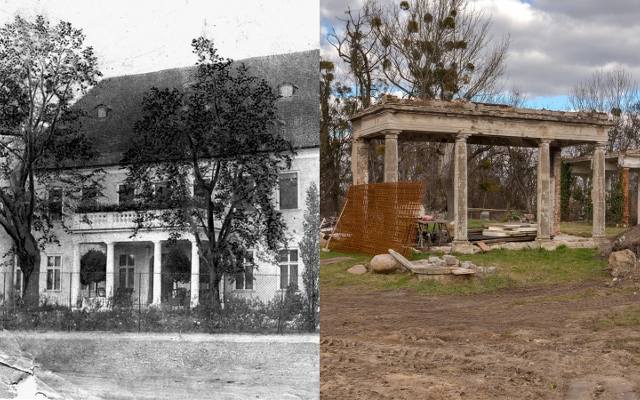
Among the nicest Wrocław palaces are the Oppersdorf Palace, the Royal Palace, the Schaffgotsch Palace, and the Wallenberg-Pachaly Palace. Many rich people wanted to have their own palace in Wrocław, but some did not survive the siege of Wrocław, others were demolished by the Germans, and some by the communist authorities of the Polish People’s Republic.
Many of these were truly magnificent structures that today would completely change the character of the places we know and pass by every day. It often takes a huge imagination to realize what they might have looked like in the urban space, because only engravings remain of them, leaving residents to wonder where they stood and when they disappeared from the city map.