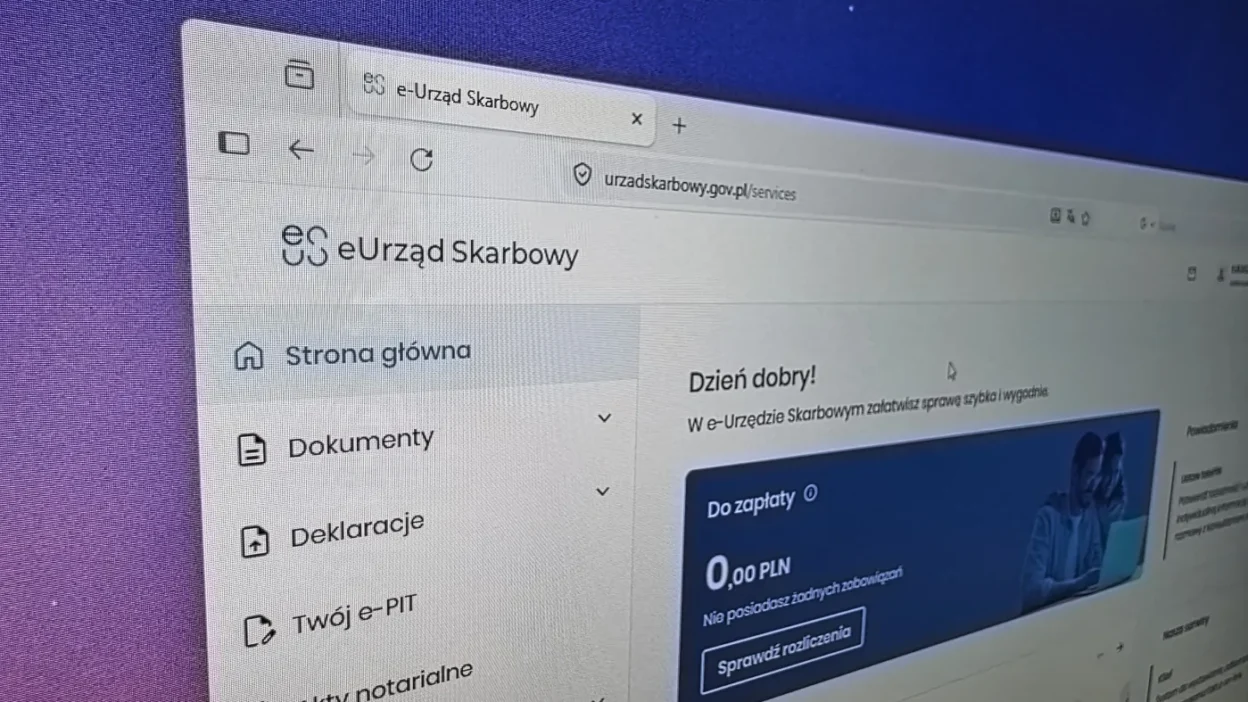
Starting in 2026, Polish entrepreneurs must adapt to a restructured digital administration system where e-Doręczenia and e-Urząd Skarbowy replace ePUAP as the primary channels for official and tax communications.
The Shift to a Centralized Digital Model
The year 2026 introduces significant changes to how businesses communicate with public administration in Poland. Systems such as e-Urząd Skarbowy, e-Doręczenia, and ePUAP will no longer perform equivalent functions, moving instead toward a clear hierarchy of roles.
The previous model of parallel channels is being replaced by centralized and more formalized solutions. This shift affects not only the technical aspects of filing documents but also the internal organization of legal and tax processes within enterprises, particularly regarding the monitoring of deadlines.
e-Doręczenia: The Primary Legal Channel
The e-Doręczenia system becomes the fundamental channel for official correspondence with legal consequences, replacing traditional postal mail and most existing electronic communication for entrepreneurs.
Every entrepreneur is assigned an electronic delivery address (ADE), which serves as the official point of contact. Correspondence arrives directly in the e-Doręczenia inbox, and delivery is considered effective upon receipt or after a statutory deadline. A lack of reaction does not stop the legal effects of the delivery.
This system places full responsibility for the continuity of correspondence on the entrepreneur. It necessitates the implementation of constant inbox monitoring and the integration of e-Doręczenia into internal deadline management systems, as legal deadlines begin regardless of whether the letter has been read.
e-Urząd Skarbowy: The Tax Service Center
e-Urząd Skarbowy serves as the central system of the National Revenue Administration (KAS) for taxpayer services. Its role extends beyond a simple technical channel for submitting declarations.
The system handles the submission of tax returns such as PIT, VAT, and PCC, provides access to tax balances and settlements, generates official certificates, and allows for the review of settlement history with the tax administration.
From an operational perspective, it is the primary reference source for an entrepreneur’s tax data. Consequently, it should be treated as a core element of a company’s financial and accounting infrastructure rather than just an administrative tool.
The Diminishing Role of ePUAP
By 2026, ePUAP will serve a supplementary role and will not be the primary communication channel for tax matters. It functions as a general ICT system for public administration, used only by selected bodies and for specific procedures.
ePUAP does not provide a uniform delivery standard for tax matters and is not an equivalent alternative to e-Doręczenia. Its use in KAS matters is incidental, meaning entrepreneurs must stop treating it as an operational channel for taxes or matters with legal consequences.
Strategic Distribution of Digital Channels
Communication is divided into functional layers. e-Doręczenia handles the formal-legal layer, including binding official and court correspondence. e-Urząd Skarbowy manages the tax-operational layer, covering settlements and KAS liabilities. ePUAP remains a supporting layer for procedures not supported by dedicated systems.
For the National Revenue Administration, documents are sent via e-Urząd Skarbowy for tax data and e-Doręczenia for legal notices. For other public administration bodies, such as ZUS or local government units, e-Doręczenia is the target model, while ePUAP is reserved for transitional or unsupported cases.
Organizational Impact on Businesses
The consolidation of communication into two key systems requires entrepreneurs to implement a coherent organizational model. Legal and deadline security now depends on the consistent management of official information flow and the integration of these tools into internal company processes.