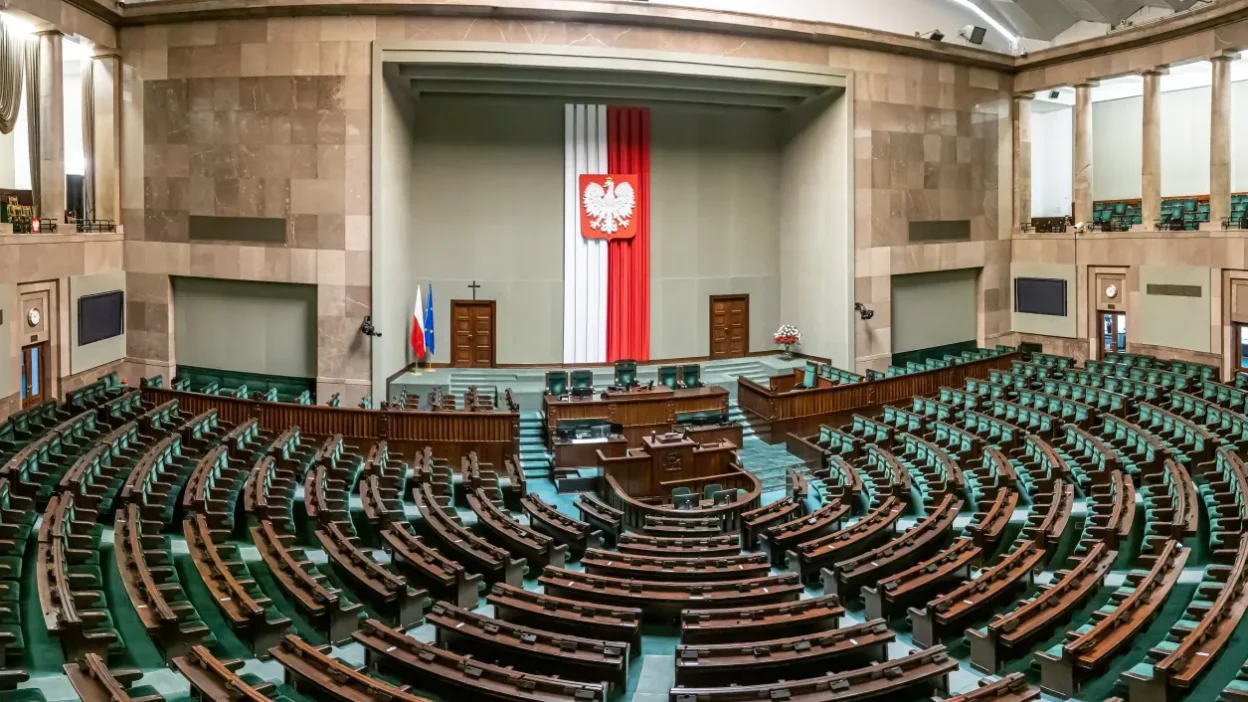
A parliamentary committee has advanced a petition proposing a single retirement age of 62 for both men and women in Poland, alongside protective measures.
Unified Retirement Age – The Main Proposal
The petition proposes a uniform retirement age of 62 for both men and women. The change would be phased in, potentially through annual adjustments of six months until the target age is reached.
Current System and Justification for Change
Currently, Poland has a differentiated retirement age: 60 for women and 65 for men. The petition’s author argues this system is inconsistent both socially and structurally.
Protective Measures and Exceptions
The proposal includes various protective mechanisms and compensatory measures intended to mitigate the impact of the reform.
Arguments in Favor of the Change
The petition’s justification highlights the principle of equality, asserting that men and women should be subject to the same retirement criteria. Economic and demographic factors are also cited.
Data from the Central Statistical Office (GUS) indicates that a person retiring at 60 receives benefits for approximately 22.2 years, while someone retiring at 65 receives them for about 18.4 years. This suggests women statistically benefit from pensions for a longer period under the current system.
Introducing an age of 62 would represent a compromise, with an average benefit duration of around 20.6 years.
Alignment with ZUS and European Standards
The petition’s author points out that the Social Insurance Institution (ZUS) uses common life expectancy tables for both sexes when calculating pensions. They argue that different retirement ages are therefore methodologically difficult to justify.
It was also emphasized that most European Union countries apply a uniform retirement age, further supporting a change in Polish regulations.
Legal Opinion: Change Possible, But Complex
The Bureau of Expert Analysis and Regulatory Impact Assessment of the Sejm confirmed that the petition falls within the parliament’s competence and meets formal requirements. However, it noted that the issue of differentiating the retirement age is closely linked to the constitutional principle of equality.
Previous rulings by the Constitutional Tribunal have deemed different retirement ages for men and women consistent with the Constitution, while simultaneously signaling the need for gradual unification in the future.
Next Steps
Referring the petition for further work means the proposal will now be analyzed for potential legislative changes. There is currently no decision on whether the project will be transformed into a legislative initiative.
Discussions on unifying the retirement age regularly resurface in Poland, but this proposal’s compromise level of 62 and additional social safeguards may influence its fate in the legislative process.