Polish officials are in talks with the Pentagon regarding potential increases in U.S. troop presence as the U.S. considers withdrawing forces from Germany.
Deputy Defense Minister on U.S. Troops in Poland
On Friday, May 1st, it was reported that Pentagon chief Pete Hegseth decided to withdraw approximately 5,000 soldiers. The following day, U.S. President Donald Trump stated his intention to increase that number.
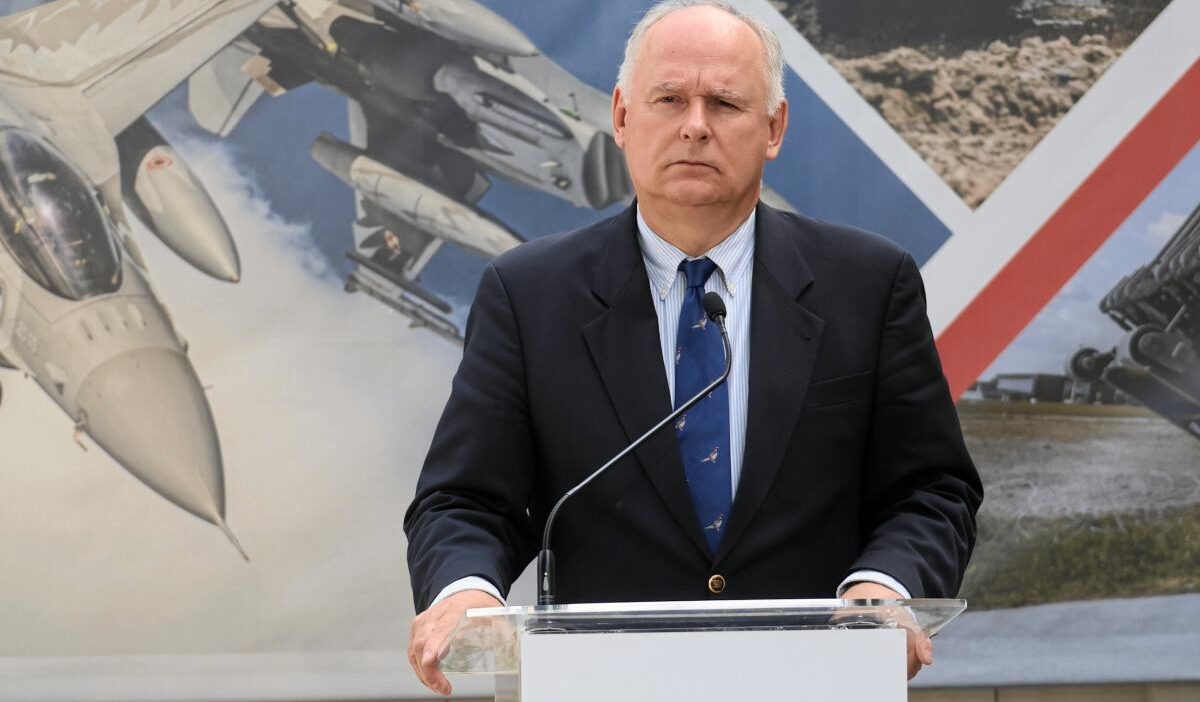
During a Monday interview with RMF24, the Deputy Defense Minister, when asked if American soldiers being withdrawn from Germany would be deployed to Poland, declined to confirm or deny. He stated it was not the time for comment and that a Pentagon decision must be awaited. He emphasized Poland’s intention to increase American capabilities in Poland and generally on the eastern flank.
NATO 3.0 Priority
The Deputy Defense Minister stated that the most important current task is the creation of “NATO 3.0.”
Talks with the U.S. on Troop Deployment
When asked if Poland was in talks with the U.S. regarding the relocation of troops from Germany to Poland, he replied that talks were being held with the Pentagon “regarding increasing American capabilities in Poland.” He confirmed this was the only thing he could confirm, reiterating that the decision regarding the American soldiers being withdrawn – and only in a small part – from Germany was an American decision.
Potential for Further Withdrawals
Zalewski was also asked if he believed the decision to withdraw part of the U.S. troops from Germany “is only the first step,” potentially followed by withdrawals from Spain or Italy. The Deputy Defense Minister expressed hope that this would not be the case.
Importance of U.S. Presence in Europe
He argued that the presence of American soldiers in Europe is important for the stability and security of Europe in the context of the threat from Russia. The Deputy Defense Minister also emphasized that Europe offers the U.S. military bases that enable the projection of force onto three continents, believing this is a matter of common European and American interests.
Poland as a Leader in NATO Modernization
Zalewski believes the most important current task is creating “NATO 3.0 – a new formula for the alliance’s operation, in which Europe undertakes significantly more actions and assumes responsibility for conventional defense against Russia.” He added that this requires increasing the military capabilities of European countries, stating Poland is a leader in this process. He emphasized the importance of convincing the Americans to remain and maintain their military capabilities in Europe.
German Reaction to Troop Reduction
Currently, between 35,000 and 37,000 American soldiers are stationed in Germany. In 2020, Trump announced the withdrawal of 9,500 of them, accusing Berlin of not fulfilling its obligations to NATO. Some troops were to be deployed to Poland, but these plans were not implemented.
Previous Signals of Troop Reduction
U.S. President Donald Trump had previously signaled the possibility of reducing the number of American soldiers in Germany. He also mentioned a possible scenario of withdrawing troops from Italy and Spain, criticizing these two countries for not providing enough assistance to the U.S.
German Chancellor’s Response
On Sunday, May 3rd, German Chancellor Friedrich Merz stated that despite disagreements regarding the war with Iran, Americans remain Germany’s most important partner in NATO. He noted that the reduction of American troops in Germany has been a subject of discussion for some time and is not related to his dispute with U.S. President Donald Trump.
Tusk Warns of a “Catastrophic Trend”
Earlier, on Saturday, May 2nd, NATO spokesperson Allison Hart informed that the Alliance is cooperating with the U.S. to understand the details of the administration’s decision to withdraw part of the American troops from Germany.
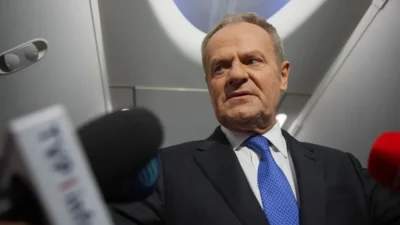
Prime Minister Donald Tusk also commented on the American decision on Saturday. He stated that “the greatest threat to the transatlantic community is not its external enemies, but the ongoing disintegration of our alliance. We must do everything necessary to reverse this catastrophic trend.”