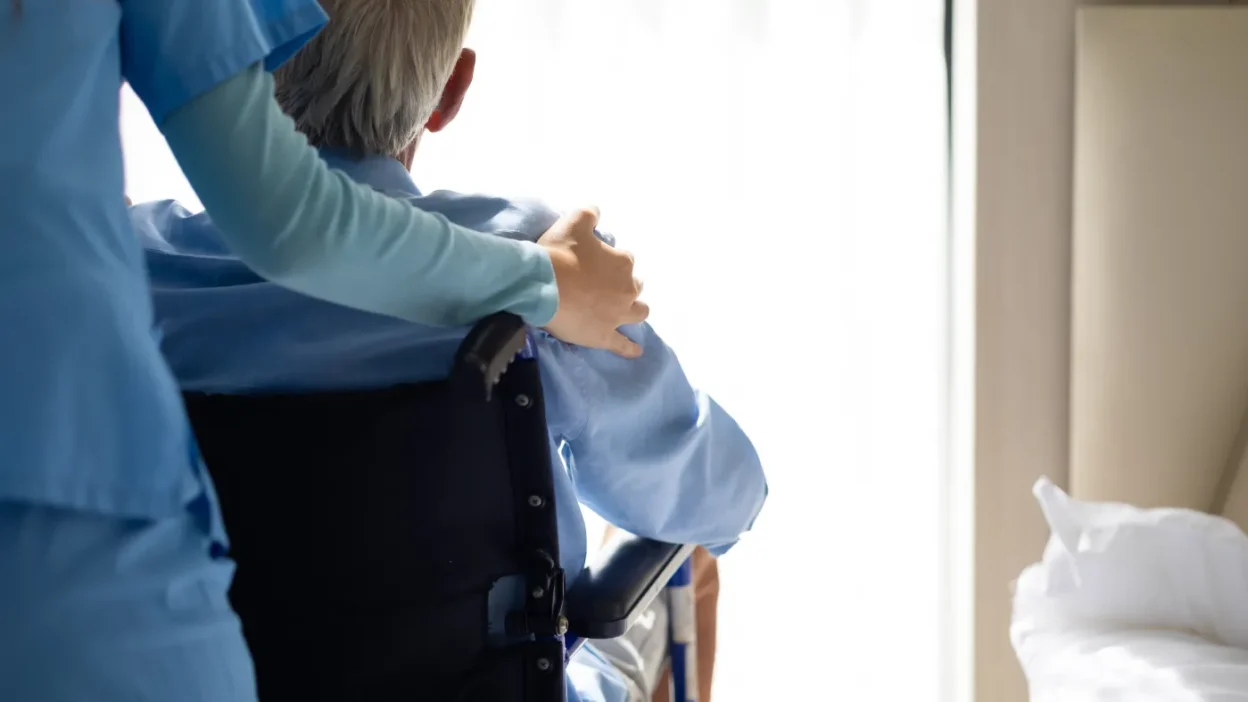
Poland saw a 3% increase in care home residents in 2025, exceeding 128,000, according to data from the Central Statistical Office (GUS).
Growth in Facilities and Residents
In 2025, Poland operated 2,325 stationary social assistance facilities, housing 128,200 residents. This represents a 4.2% increase in the number of facilities and a 3% increase in residents compared to the previous year, as reported by GUS.
Types of Facilities
Nearly 40% of all facilities are social care homes. Facilities providing round-the-clock care for people with disabilities, chronic illnesses, or the elderly account for 31.1%, while shelters for the homeless and hostels represent 19.7%. Family care homes, community self-help homes, homes for mothers with young children, and other facilities collectively make up 10.1% of all facilities.
Resident Demographics
Residents of social care homes comprise 64.4% of the total population in these facilities. Over 21% reside in facilities offering 24/7 care for individuals with disabilities, chronic illnesses, or the elderly, and 12.6% are in shelters for the homeless and hostels. Those in homes for mothers, family homes, and community self-help homes represent 1.7% of the total.
Age Structure of Residents
The largest group of residents are aged 60 and over (88,500, or 69% of all residents). The smallest group consists of those under 18 years old (1,900).
Financing and Standards
Over 82% of residents contribute to the cost of their stay, often using funds from pensions, benefits, or allowances. Family covers the full cost for 9.7% of residents, while municipalities or the state cover 6.7%. Approximately 1% of residents are exempt from fees.
Accessibility Features
91% of facilities are adapted to the needs of people with disabilities. 75.9% have bathrooms adapted for people with disabilities, 67.7% have ramps and platforms, and 63.4% have elevators. 9% of facilities, primarily shelters and hostels, lack any accessibility features.
Ownership and Capacity
Local government is the leading entity for 34.3% of stationary social assistance facilities (797 facilities). Private individuals and legal entities operate 717 facilities, associations, foundations, and social organizations run 502, and Catholic Church entities and other religious organizations operate 309.
Total Capacity and Distribution of Places
These facilities collectively offer 138,200 places (a 3.1% increase from 2024). Social care homes account for 61.3% of these places, facilities providing 24/7 care for vulnerable individuals represent 22.3%, and shelters for the homeless and hostels have 13.8%.
Regional Variations
The Mazowieckie and Śląskie voivodeships have the highest concentration of facilities, accounting for over a quarter of all facilities in the country (27.2%). Podlaskie Voivodeship has the largest surplus of places compared to residents (12.3% more places than residents), while Małopolska Voivodeship has the smallest surplus (4.7% more places).
Average Capacity per Facility
On average, a facility in Poland has 59 places. Małopolska Voivodeship has the highest average (67 places), while Warmińsko-Mazurskie Voivodeship has the lowest (48 places).