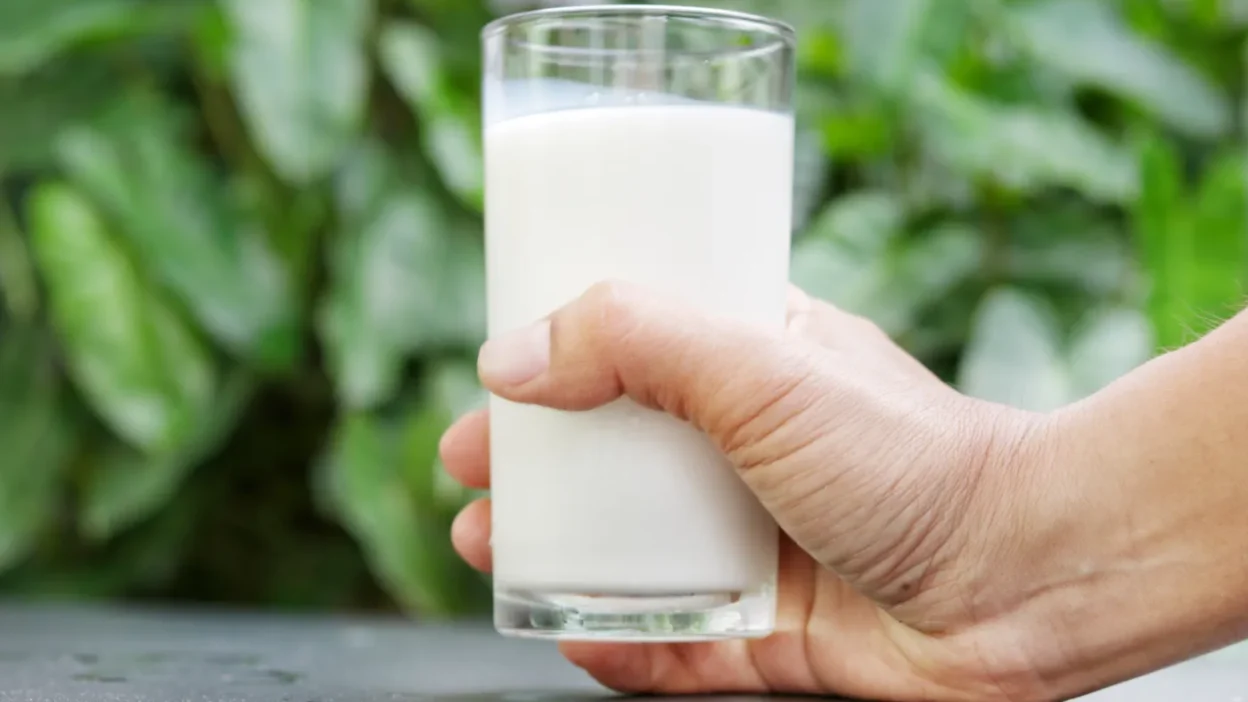
Poland’s trade inspection authority has clarified that terms like “milk” and even “not milk” are prohibited for plant-based beverages, aligning with EU regulations.
EU Regulations Protect “Milk” Designation
The European Parliament and Council Regulation (EU) No 1308/2013 precisely defines “milk” as “a normal secretion from the mammary gland,” without additions or extractions. Dairy products—such as cheese, yogurt, kefir, butter, and cream—must be exclusively made from milk, and the use of these names is legally reserved.
Consequently, EU law prohibits the use of these terms for plant-based products, extending to all forms of presentation, including labels, commercial documents, advertising materials, and marketing communications.
Even “Not Milk” is Prohibited
The Polish trade inspection authority, IJHARS, explicitly states that formulations like “not milk” are also incorrect. The agency argues that even a negation can suggest a connection to milk and thus violate regulations.
IJHARS cited an example of an oat drink labeled “PSST!… TO NOT MILK* Deliciously Plant-Based,” where “milk*” was highlighted with color, font size, and a graphic droplet replacing the “o.” Such tactics, even without using the full word “milk,” may mislead consumers.
Court Disagreements and Ongoing Debate
The IJHARS position follows years of legal disputes regarding the labeling of plant-based foods. Recent divergent rulings from administrative courts regarding the same oat drink illustrate the ongoing confusion.
The Administrative Court in Gliwice overturned control recommendations, finding that the average consumer was not misled, as confirmed by surveys. However, the Administrative Court in Warsaw upheld a penalty, asserting that any reference to “milk” violates Regulation 1308/2013.
Protecting the Market and Fair Competition
The regulations aim to improve economic conditions for production, ensure fair competition, and protect consumer interests. Consistent application of these rules is in the interest of all market participants, according to IJHARS.
Producers of plant-based drinks must anticipate a high risk of their labeling being challenged if it references “milk” in any way, regardless of intent, context, or consumer research.
TSUE Ruling Reinforces Restrictions
IJHARS references the established case law of the Court of Justice of the European Union, particularly the ruling in the TofuTown case (C-422/16) from July 14, 2017. The Court definitively ruled that plant-based products cannot be labeled with names reserved for milk and its derivatives, even with clear indication of plant origin.