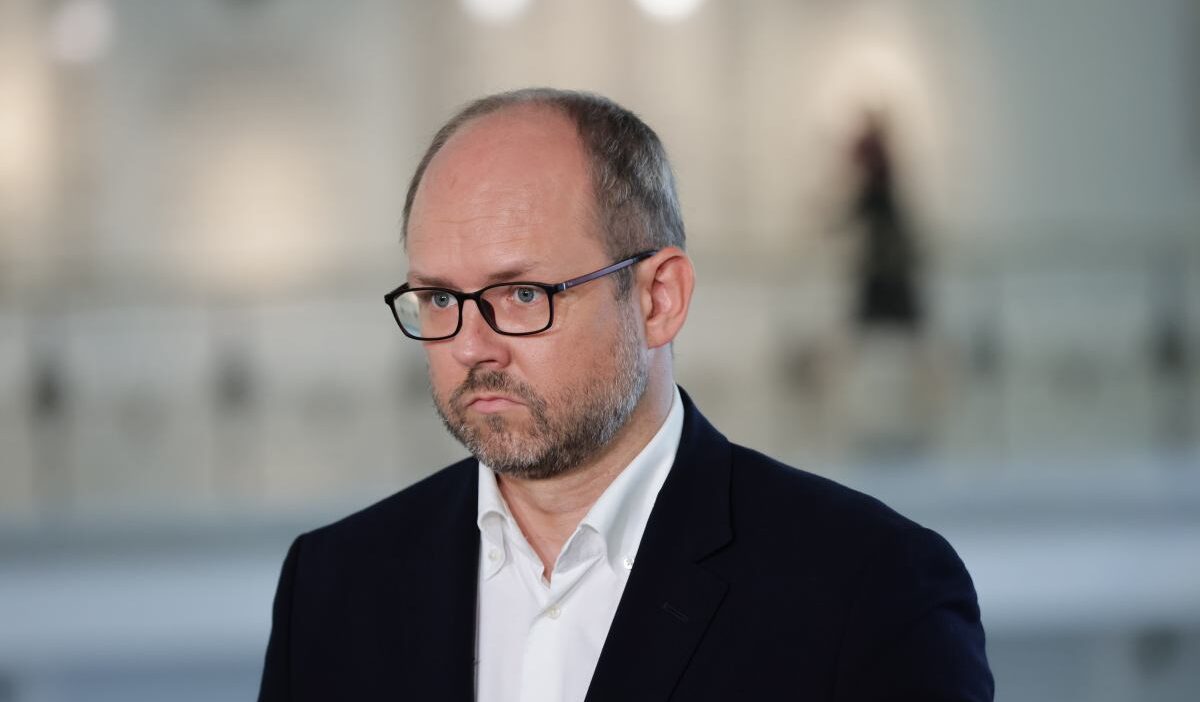
Marcin Przydacz, head of the Polish President’s Bureau of International Policy, responded to criticism regarding potential Polish involvement in a U.S.-led mission against Iran.
Przydacz on Potential Support for U.S. in Iran Conflict
On April 5th, Marcin Przydacz discussed the possibility of European NATO allies supporting the U.S. in a potential conflict with Iran, specifically regarding securing the Strait of Hormuz, a vital global oil transit route.
Przydacz stated that some Western allies, particularly those with naval capabilities, should support the U.S., citing both national interests – such as lowering energy prices – and Euro-Atlantic solidarity. He emphasized his strong encouragement for such support.
Call for Pre-Operation Consultations
Przydacz suggested that U.S. consultations with European allies before any operation in Iran would be beneficial, but acknowledged the current situation necessitates an allied approach rather than discord.
Poland’s Potential Role
The official indicated that there is currently no direct request for Poland to contribute troops to such an operation, and he believes neither the President nor most Polish citizens are prepared for that level of engagement.
Political Reactions and Accusations
Przydacz’s statements sparked controversy, drawing criticism from several politicians. Prime Minister Donald Tusk accused the PiS party and President Karol Nawrocki of attempting to involve Poland in the Middle East conflict, warning against such a move.
Cezary Tomczyk, Deputy Minister of National Defence, dismissed the PiS party’s stance as reckless, while Krzysztof Kwiatkowski questioned who Przydacz intended to send to war. Roman Giertych suggested sending the entire PiS party to fight over the Strait of Hormuz.
Przydacz’s Response to Critics
In response to the criticism, Przydacz described his attackers – including Kwiatkowski, Giertych, Szczerba, Szłapka, Tomczyk, and Wieliński – as “a rather disgusting group,” expressing cynicism and contempt. He noted the presence of a former associate of a controversial journalist within the ruling coalition.
He likened the situation to encountering unpleasantness in the workplace, but affirmed the need to combat falsehoods.