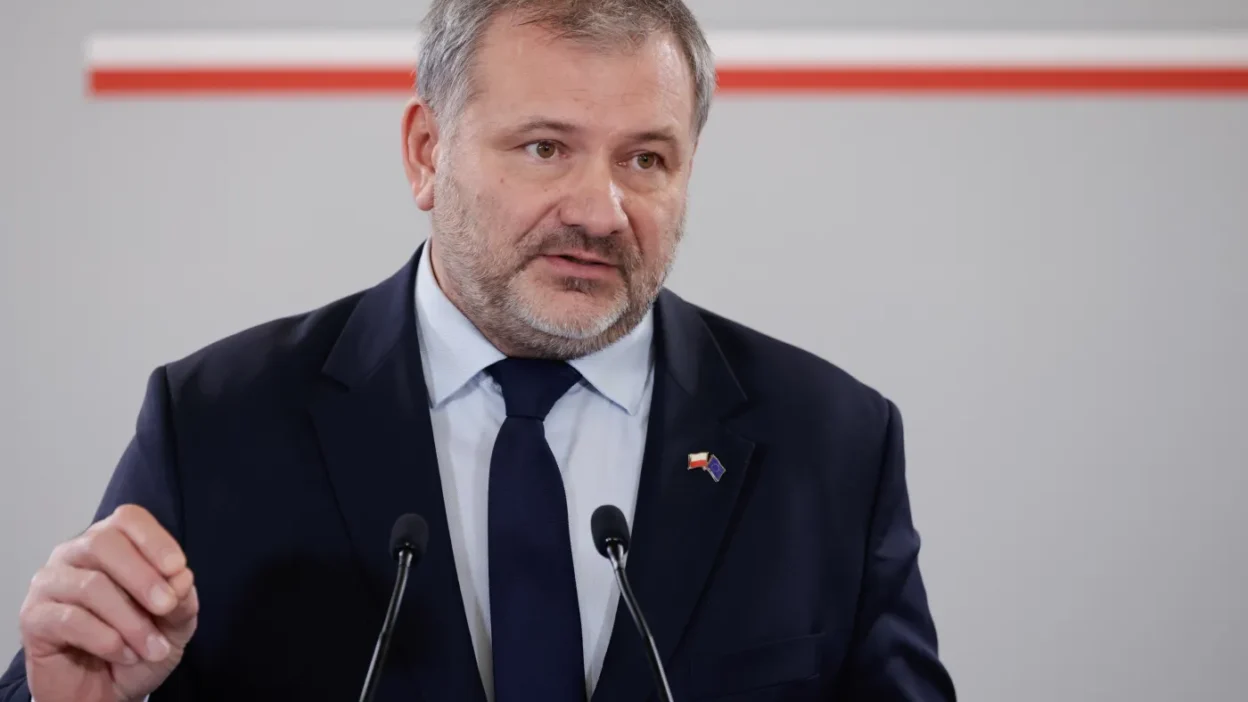
The Polish Sejm will vote Friday on overriding President Karol Nawrocki’s veto of reforms to the Code of Criminal Procedure, a move Justice Minister Waldemar Żurek calls a “test of integrity.”
Presidential Veto and Upcoming Vote
The Sejm will vote on a motion to reject President Karol Nawrocki’s veto of changes to the Code of Criminal Procedure (Kpk) and other related laws. The reform addresses issues such as the prohibition of using illegally obtained evidence and limitations on preventative detention.
President Nawrocki vetoed the amendment on March 13th, with his spokesperson, Rafał Leśkiewicz, stating that the new regulations could “hinder criminal proceedings, which would be contrary to the interests of citizens and the state’s obligation to ensure their safety.” Concerns were raised regarding the lack of clarity and systemic coherence in some of the new solutions.
Żurek Defends the Reform
Justice Minister and Prosecutor General Waldemar Żurek argues the vote represents “a simple test of integrity – not for the government, not for the president, but for citizens.” He stated that the vote will reveal who genuinely supports a fair criminal procedure and who prefers to defend a state that operates through shortcuts.
Żurek emphasized that the vetoed changes were not intended to “protect” anyone, but rather to limit the abuse of preventative detention, streamline regulations, and “strengthen citizen guarantees in confrontation with the state.” He believes this is the reason for the “so much political outcry” surrounding the reform.
Criticism of Opposition Tactics
Żurek criticized the opposition’s tactics, stating, “Instead of a discussion of facts, we received threats about pedophiles, terrorists, the border, and everything that can be put into one, false bag. This is an old method. When there are no arguments against fairer rules, fear-mongering begins.”
Call for Accountability from Political Clubs
Regarding the vote, the Minister stated that each parliamentary club will have to answer whether it stands on the side of the citizen and their rights, or on the side of oppressive regulations abused by the previous government. He questioned whether parties advocating for economic and individual freedoms are actually under the control of forces from Nowogrodzka.
Voting Requirements and Scope of the Reform
Overriding the presidential veto requires a three-fifths majority vote with at least half of the statutory number of MPs present. The extensive amendment to the Code of Criminal Procedure addresses numerous aspects of criminal procedure.
Key Provisions of the Amendment
The amendment introduces a new approach to the application of preventative detention based on the severity of the potential punishment. It also addresses the use of illegally obtained evidence in criminal proceedings. A significant change defines the status of a “suspect,” granting it from the moment of detention related to a suspected crime.
Other changes concern issues related to the European Arrest Warrant system, the use of evidence, the confidentiality of communication between the suspect and their lawyer, and deadlines for filing appeals. The adopted solutions were the result of government, committee, and parliamentary projects submitted to the Sejm since 2024. Deputy Justice Minister Arkadiusz Myrcha described the amendment as “one of the largest, if not the largest, comprehensive reform of criminal procedure since the introduction of the Code of Criminal Procedure in 1997.”