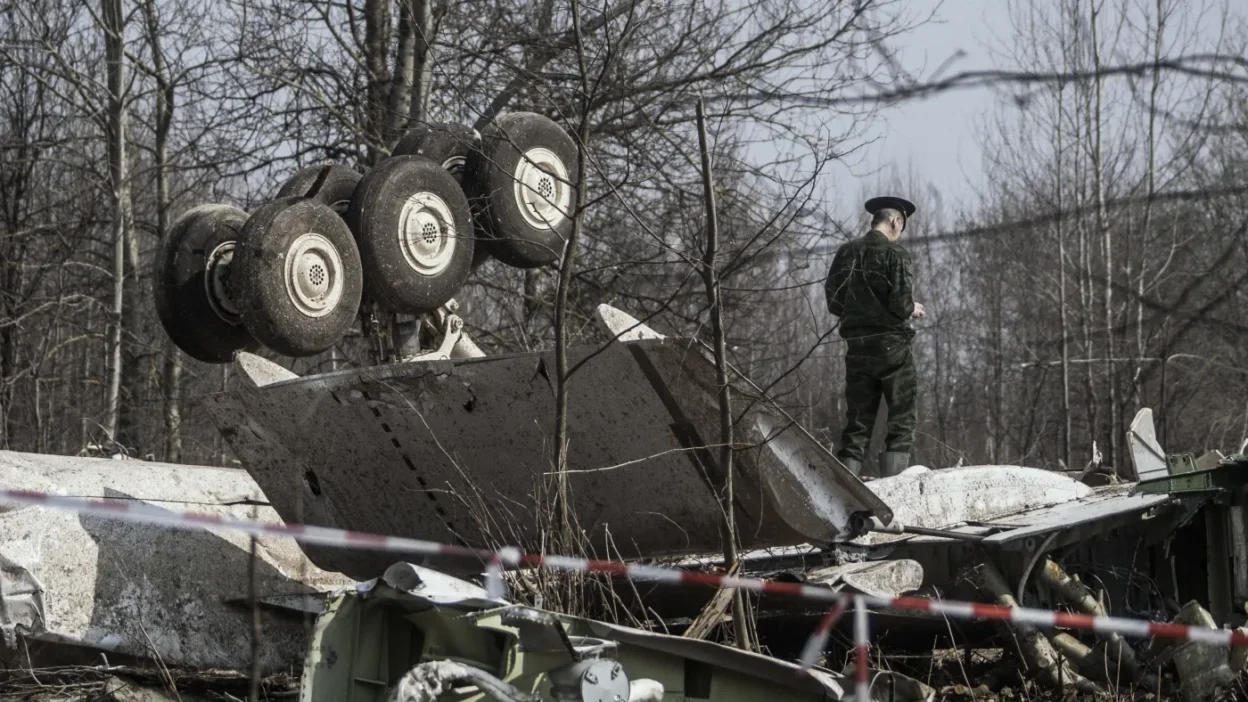
Polish prosecutors have partially dropped an investigation into alleged “diplomatic betrayal” related to the 2010 Smolensk plane crash, focusing on abandoned agreements with Russia.
Smolensk Disaster Investigation Partially Suspended
Prosecutors have partially dismissed an investigation into alleged “diplomatic betrayal” connected to the 2010 Smolensk air disaster. The investigation, initiated on August 31, 2016, centers on claims of abandoning a potential agreement with Russia for a joint investigation.
Allegations of a Secret Oral Agreement
The dismissed portion of the inquiry concerned allegations that an oral agreement was reached between Polish and Russian leaders – then-Prime Minister Donald Tusk or acting President Bronisław Komorowski and Russian President Dmitry Medvedev – regarding a joint investigation. Complainants alleged that this agreement was subsequently abandoned.
The allegations claimed this abandonment constituted an act detrimental to Poland, potentially violating Article 129 of the Polish Penal Code (the crime of “diplomatic betrayal”).
No Evidence of Oral Agreement Found
Prosecutors stated they found no evidence to support the claims of an oral agreement. They also noted that in April 2010, the Polish prosecution service operated independently of the government, with the Prosecutor General separate from the Minister of Justice.
Consequently, neither the Prime Minister nor the President had the authority to enter into agreements regarding the investigation’s conduct, transfer of the investigation, or the creation of joint investigative teams, according to the Prosecutor’s Office.
Failure to Request Joint Investigative Team
Another dismissed aspect of the investigation concerned the failure of the Polish Prosecutor General to request the formation of a joint investigative team with the Russian Prosecutor General’s Office.
The investigation revealed that the decision not to make such a request stemmed from assessments in 2010 that it would be ineffective due to the lack of relevant legal regulations on the Russian side. Russia was not a party to international legal acts providing for the establishment of joint investigative teams.
No Criminal Conduct Found in 2010 Decisions
Prosecutors determined that the decision not to request a joint team did not constitute any criminal offense, including “diplomatic betrayal” or aiding and abetting, as defined in the Polish Penal Code.
Main Investigation Continues
The partial dismissal is final. The main strand of the investigation into alleged “diplomatic betrayal” remains ongoing, focusing on actions taken by Polish public officials between April 2010 and January 2011, allegedly involving the conclusion of a disadvantageous international agreement with Russia regarding the investigation’s legal framework.