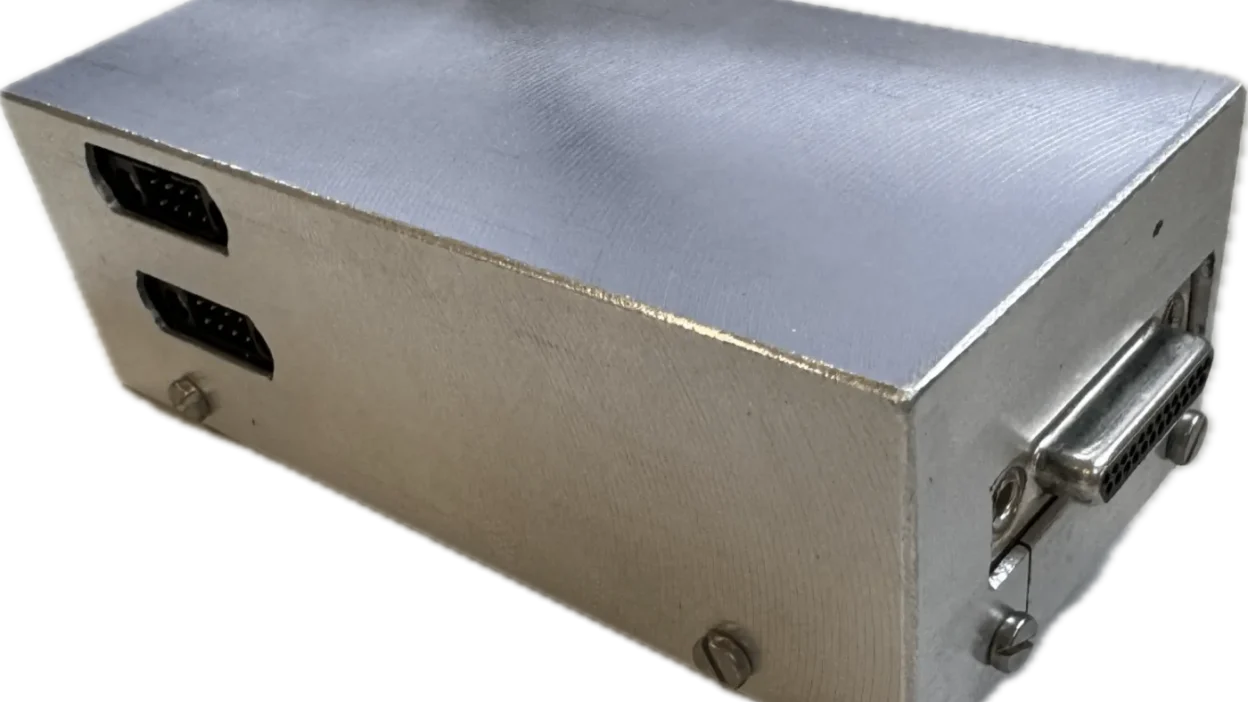
A team from the Warsaw Institute of Aviation has engineered a specialized controller for nanosatellite engines using high-concentration hydrogen peroxide, earning a nomination for the prestigious Eureka! award.
Innovation in Nanosatellite Propulsion
The new controller, developed by Michał Piwowarczyk’s team at the Łukasiewicz Research Network – Institute of Aviation, manages propulsion systems for nanosatellites. These small satellites, often based on the modular CubeSat standard, range from 1U to 12U in size.
Nanosatellites serve diverse functions including agricultural imaging, communication support, and scientific research. By operating in constellations, they provide more frequent data collection compared to larger, solitary satellites.
Operational Advantages of Controlled Propulsion
Propulsion systems are vital for maintaining optimal orbits and managing mission lifecycles. Engines allow operators to adjust trajectories or safely de-orbit satellites by burning them in the atmosphere at the end of their missions.
High-Performance Hydrogen Peroxide Technology
While hydrogen peroxide is a common propellant, existing systems typically use concentrations near 60 percent. The new controller is unique in its ability to support propulsion systems using 98 percent concentration hydrogen peroxide, which significantly boosts engine thrust.
Deployment in the Piast Constellation
This technology is already operational in space, currently powering the engines of three 6U nanosatellites within the Piast Constellation. These units, which support military objectives, were launched into orbit during the autumn of last year.