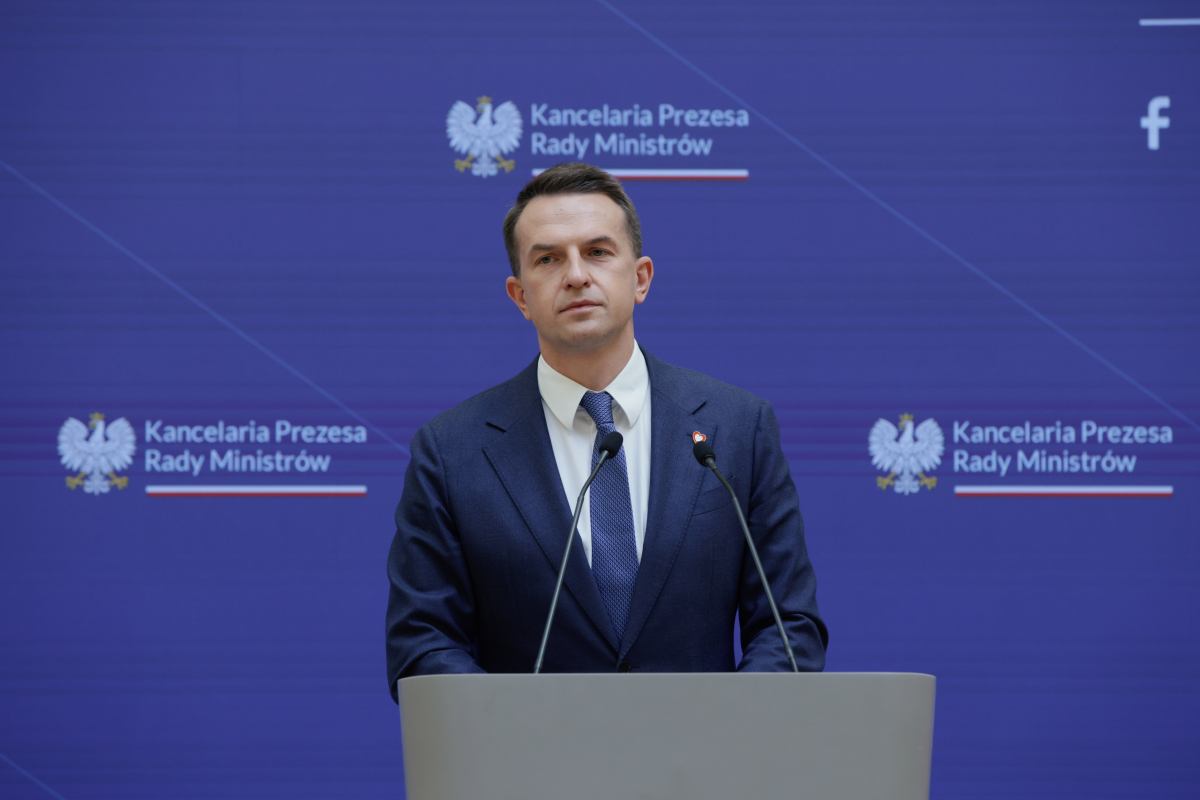
Marcin Przydacz, head of the Presidential International Policy Bureau, criticized the government on Wednesday, May 27, for failing to consult the President’s office regarding the new bilateral treaty with the United Kingdom.
Lack of Consultation with the President
Marcin Przydacz emphasized that the treaty with the UK is a continuation of bilateral guarantees, similar to the previous agreement with France. He stated that the government’s approach was incomprehensible, as they failed to consult or discuss the treaty with the Commander-in-Chief of the Armed Forces.
Przydacz noted that he remained in contact with the British side, often receiving more comprehensive information from them regarding negotiations and specific provisions. He argued that the government’s avoidance of substantive discussions on national security matters reflects a lack of professionalism.
Ratification Requirements
Przydacz pointed out that the treaty with the United Kingdom requires a full ratification process. This entails parliamentary approval from both the Sejm and the Senate in the form of a ratification act, followed by the President’s formal signature.
Scope of the Bilateral Agreement
The Prime Minister’s Office stated that the treaty includes projects focused on combating hybrid threats, disinformation, and illegal migration. It also addresses defense development, collaboration between defense industries, cybersecurity, maritime infrastructure, energy, and health security.
Strategic Alliances and Prime Minister’s Stance
Prime Minister Donald Tusk emphasized before his trip to London that the treaty aims to elevate Polish-British relations to the highest diplomatic level. He stated that the agreement establishes a framework for military cooperation, defense industry collaboration, and cybersecurity.
Tusk noted that Poland must build credible alliances that serve as a deterrent to potential aggressors. He argued that history and geography demonstrate the necessity of such partnerships, which provide practical measures to avoid direct threats before a conflict arises.