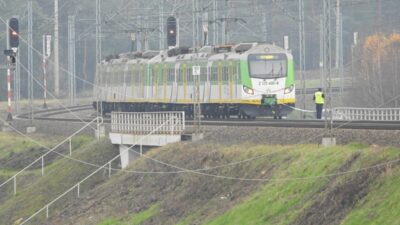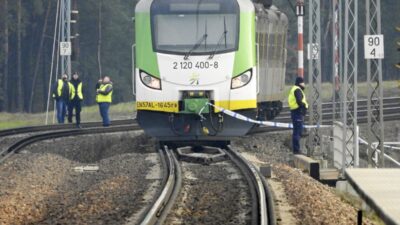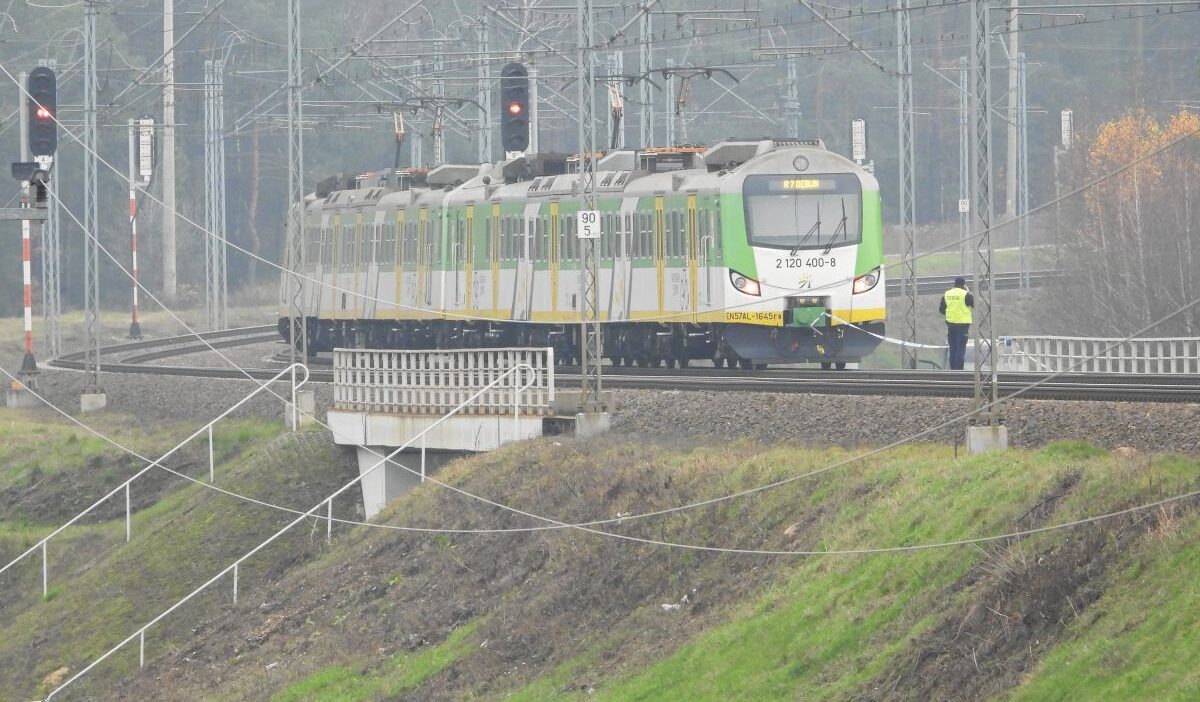
Polish authorities accuse Russian special services of sabotage on the Lublin‑Warsaw railway on Saturday, linking the attack to a broader Kremlin Phase Zero strategy.
Sabotage Embedded in Russian Destabilization Strategy
Polish authorities claim that two Ukrainian citizens were hired by Russians to attack two sections of the Lublin‑Warsaw line over the weekend. Explosives were used to damage the tracks near Mikó. According to Prime Minister Donald Tusk, the operatives entered Poland from Belarus in the fall, returned after the operation, and based on the information, the attack is part of a broader Russian destabilization strategy.
Defense Minister and Deputy Prime Minister Władysław Kosiniak‑Kamysz said the events were “aimed at destroying community, alliances, and sowing uncertainty.” General Staff Chief Gen. Wiesław Kukuła assessed that Poland is in a “pre‑war situation” in which Russia creates conditions for potential aggression.
Phase Zero
Experts from the Institute for Strategic Studies (ISW) have warned for months that the Kremlin’s “Phase Zero” operations in Europe involve destabilizing NATO states through cyber attacks, disinformation campaigns, provocations, and sabotage of critical infrastructure—such as the recent railway attack in Poland. The goal is not immediate war but a systematic erosion of West European security and preparedness.
At the end of October NATO Secretary‑General Mark Rutte stated that Russia had entered the first stage of preparation—the “Phase Zero.” “Everything points to a clear direction: Russia is preparing for a long‑term confrontation with Ukraine and with us,” he added, urging allies to treat these signals with the highest seriousness.
Critical Infrastructure Targeted
The sabotage on the Lublin‑Warsaw line is one of the most unsettling signals of the past months. Railway transport is a key logistics element for both civilian and military movement, and such attacks can affect the country’s defense capabilities. Russian “Phase Zero” strategy focuses on high‑operational and symbolic targets—energy grids, ports, communications, and railway networks—because a single incident can trigger a psychological effect larger than the actual damage.
Ongoing Investigations
Information‑operations coordinator Jacek Dobrzyński said that intensive operational and reconnaissance activities, along with investigative work and arrests, are underway on the Warsaw‑Lublin route in the towns of Mikó and Puławy. He also provided details on the initial arrests.