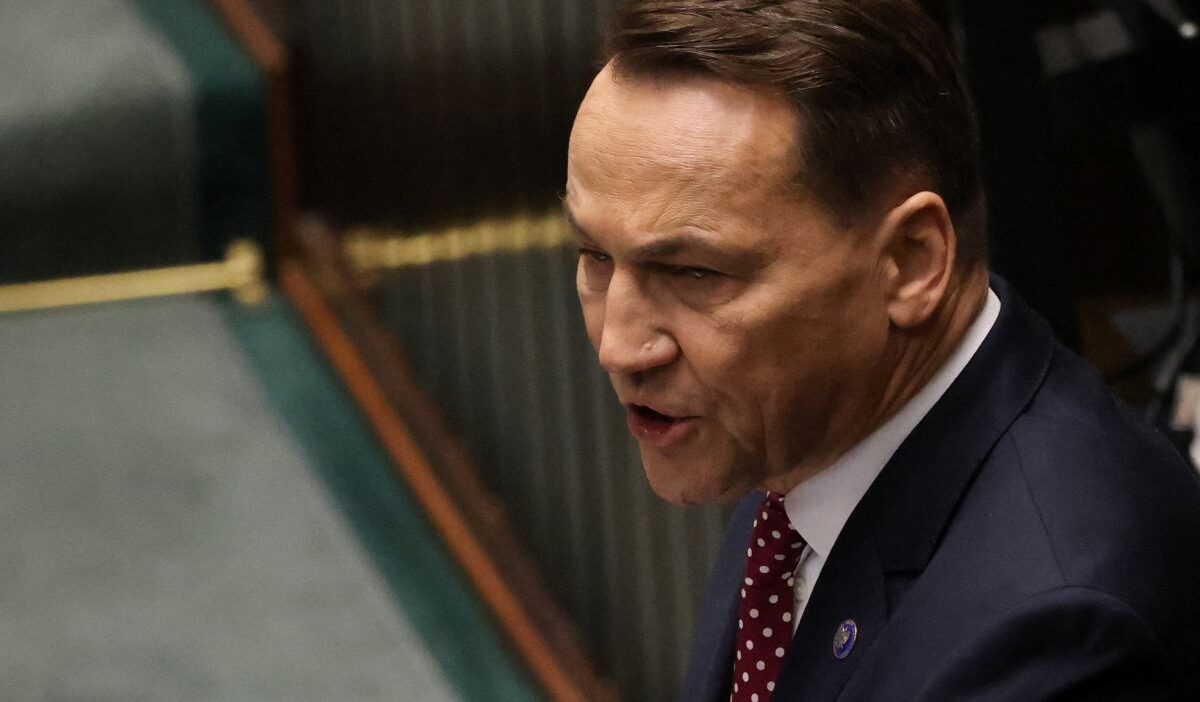
Polish Foreign Minister Radosław Sikorski, in an interview with an Italian newspaper, discussed Russia’s actions, the war in Ukraine, and European defense needs.
Sikorski on Russian “Death Squads” and Iran
Polish Foreign Minister Radosław Sikorski, referencing Prime Minister Donald Tusk’s statements, affirmed Poland will not take military action in the Middle East.
He stated agreement on the goal of destroying Iran’s nuclear arsenal, noting proximity to the Iranian people following recent attacks by the theocratic regime. He referenced former President Trump’s comments on aid to Iran and a desire for a more law-abiding nation.
Putin’s Losses and Russian Economy
Sikorski assessed that “Putin is losing more than he is gaining,” despite short-term gains from increased oil prices due to the war in Iran. He emphasized Russia’s economy is heavily reliant on oil revenue.
He believes Gulf states and Israel understand Russia’s support for Iran, providing weapons like Shahed drones and intelligence on targets, including American ones, and hopes for increased solidarity with victims of aggression.
Hybrid Warfare and European Defense
Sikorski highlighted numerous examples of Russian hybrid warfare in Europe, including Poland, noting Russia’s history of employing death squads against dissidents and defectors. He warned of the temptation to utilize these capabilities against other nations.
He observed Ukraine is gaining more territory than it is losing and estimated Putin would need 18 months and 300,000 casualties to conquer the rest of Donbas.
US Arms Production and Potential Russian Attack on Europe
Sikorski stressed the need for US arms manufacturers to begin producing equipment in Europe through joint ventures with European defense industries, citing insufficient current US production capacity. He referenced a Pentagon official’s assessment on this matter.
Regarding a potential Russian attack on Europe by 2029, Sikorski stated the Russian army has proven less effective than anticipated, but its intentions are worse than some Europeans believe. He emphasized the need for a 3-to-1 advantage in a large-scale conflict, which Russia currently lacks even against Ukraine.
Russia’s Capabilities and European Security
Sikorski explained Russia would need to end the current war and replenish its supplies for two to three years before posing a threat to Europe, suggesting any potential war would likely be lost. He urged a serious, but not panicked, approach, focusing on strengthening European defense capabilities to deter Putin.
EU Aid to Ukraine and Polish-Hungarian Dispute
Sikorski criticized the blocking of a 90 billion euro EU loan to Ukraine by Hungary as “scandalous.” He pointed to the absurdity of Ukraine allowing Russian oil to flow through its territory to a hostile nation, with Russia damaging the pipeline and Hungary demanding repairs as leverage for the loan.
He used the situation as an argument against “europhobes” in Poland, noting the right to veto applies to all, and questioning whether they are pleased Orban can block sanctions against Russia.
Nationalism and EU Support
Sikorski praised Italian Prime Minister Giorgia Meloni’s stance on Ukraine and the EU, hoping Polish nationalists would take note. He acknowledged criticism of the EU’s functioning but highlighted Meloni’s consistent support.
He also noted the shared focus of Poland and Italy on controlling illegal immigration.
Polexit Risk and Presidential Veto
Sikorski addressed Prime Minister Tusk’s warning about the risk of a “polexit,” stating that nationalists calling the EU “Third Reich” or “Soviet Union” effectively advocate for leaving. He expressed concern about the mental health of nationalists, including President Nawrocki, who vetoed a law enabling access to secure and affordable loans for defense strengthening simply because it was European, even “German.”