Poland clings to the belief that it holds a special status as a model ally, yet U.S. global strategic shifts increasingly treat European nations merely as interchangeable components of a complex system.
The Limits of Bilateral Relations
Poland likes to believe it distinguishes itself from Europe through defense spending and its bilateral relationship with the United States. While Washington often labels Poland a model ally, moments of verification reveal that Poland is merely one part of a complex dependency system. Decisions are dictated by U.S. global interests rather than personal diplomatic ties.
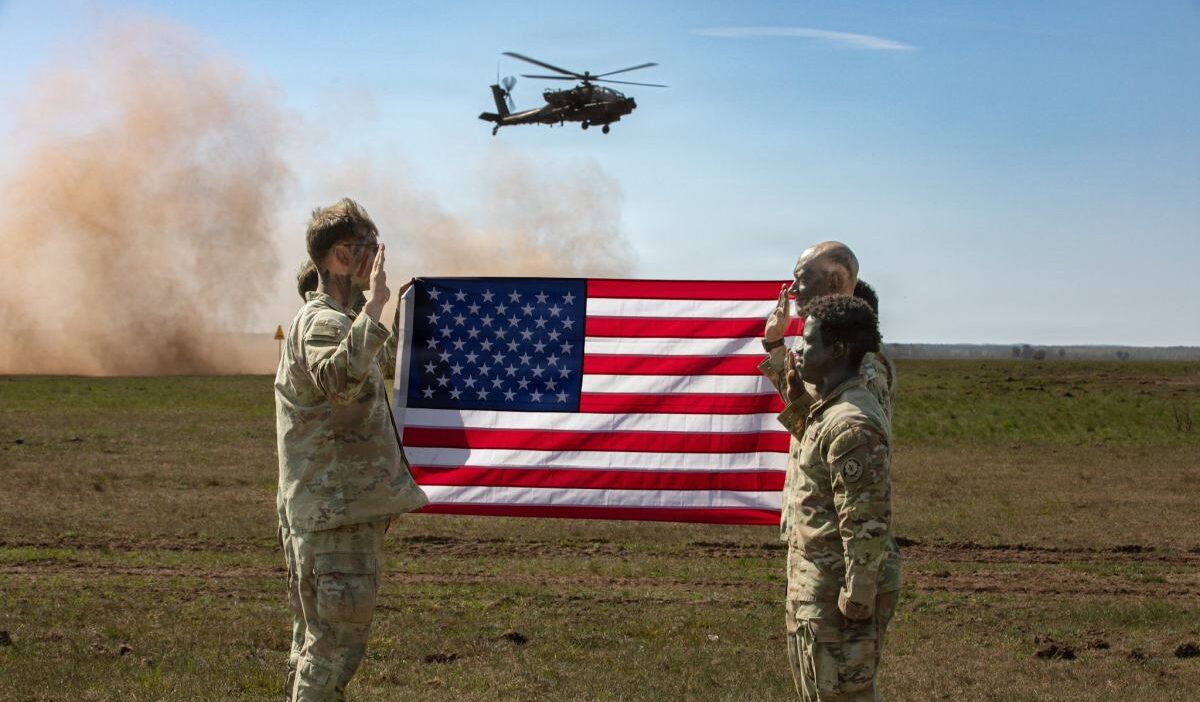
Strategic reviews of U.S. military presence are not based on friendships, but on internal requirements. Poland is a part of a broader picture, not a key player, meaning it can lose the game even with a favorable position. The recent disruption of military rotations reflects the administration’s political will to reduce its European footprint.
Contradictions in Strategic Planning
The Pentagon’s abrupt decision to halt a unit already in transit contradicts claims of careful planning. A truly planned withdrawal would mirror the approach used in Romania in 2025, where replacements are finalized before existing forces depart. This sudden interruption, resulting in sunk costs, suggests a last-minute political decision driven by Pentagon leadership rather than the White House.
A Growing Frustration with Europe
Beyond specific crises like Iran, Washington feels frustration toward the European Union, which it views as economically competitive. Issues such as trade tariffs, digital regulations, and the Greenland dispute have eroded American trust in Europe. This resentment is amplified when European leaders, such as Pedro Sanchez or Giorgia Meloni, openly criticize U.S. actions, reinforcing the view of Europe as an ungrateful, demanding entity.
Permanent Shifts in Political Standards
The current U.S. administration has permanently altered political and legal norms. Even future leadership, including potential candidates like Gavin Newsom, is unlikely to abandon the populist, transaction-oriented methods that have proven effective. The emerging generation of U.S. politicians is being shaped by these realities, leaving little room for a return to traditional diplomatic standards.
The Future of Military Presence
Maintaining 10,000 U.S. troops in Poland during peacetime is unrealistic. Instead, the focus should shift toward the quality of deterrence, including specialized units better suited for drone and electronic warfare. Securing a permanent stationing of combat units—beyond current facilities in Redzikowo or Poznan—would hold significantly more political weight than rotating forces.
Systematic Deterrence vs. Political Slogans
Poland currently shoulders some of the highest costs globally for hosting U.S. forces, yet the impact of these expenditures is under-communicated. Success requires more than just high-level meetings; it demands rigorous war-gaming, scenario analysis, and a systematic demonstration of why a brigade in Poland is strategically superior to one in Germany. Without this, the goal of permanent presence remains a mere political slogan.
A Divergence of Global Interests
Russia is increasingly viewed by Washington only as a conventional threat to the Eastern Flank, not the entire Alliance. As the U.S. explores stabilizing relations with Russia or deepening economic ties with China, Poland’s persistent calls for aggressive deterrence may be increasingly viewed as an obstacle to American global interests rather than an asset.