Despite a two-week ceasefire between the U.S. and Iran, the situation in the Strait of Hormuz remains largely unchanged, prompting criticism from President Trump.
Trump Critical of Iran’s Management of Hormuz Strait
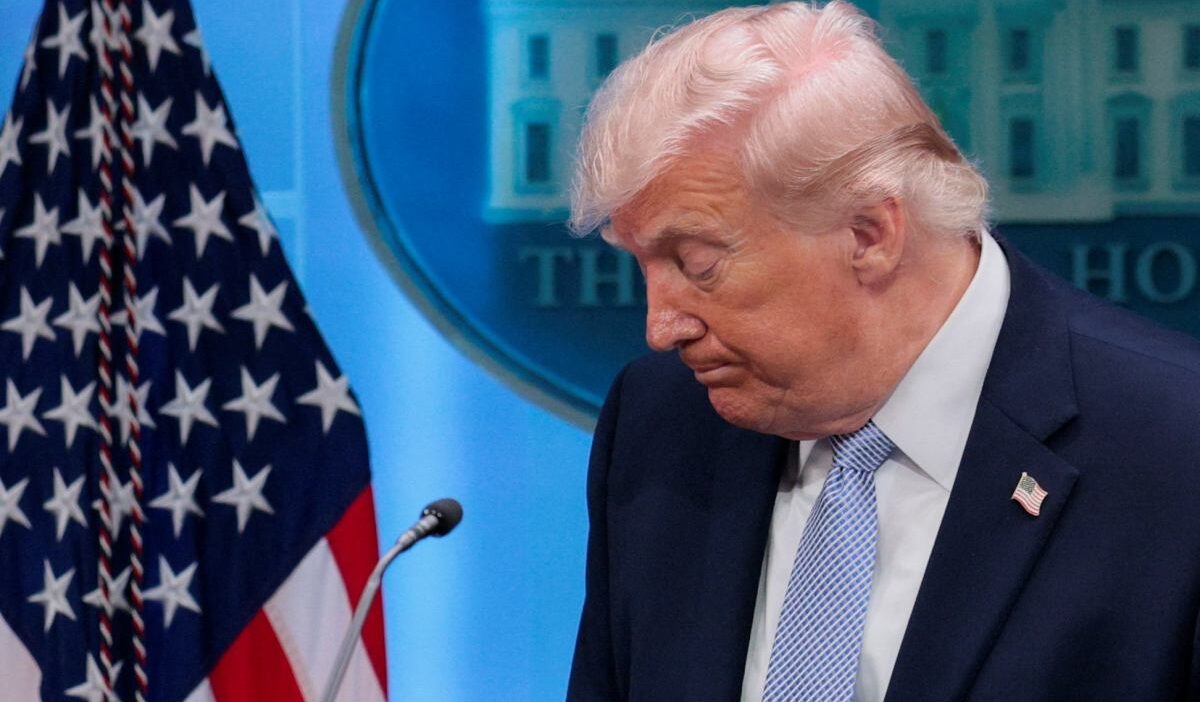
Media reports indicate that despite the signed two-week ceasefire between the U.S. and Iran, the situation in the Strait of Hormuz has not significantly improved, with tankers still facing difficulties navigating the waterway. U.S. President Donald Trump commented on the situation.
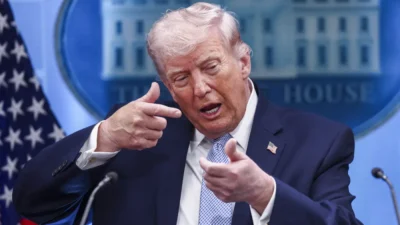
“Iran is managing the flow of oil through the Strait of Hormuz very ineffectively, and some would say dishonorably. This is not what we agreed to!” Trump wrote in a post on Truth Social.
Earlier Reactions to Hormuz Developments
Trump previously reacted strongly to other reports concerning the Strait of Hormuz. “There are reports that Iran is imposing fees on tankers passing through the Strait of Hormuz – better not do it, and if they do, stop it immediately!” Trump wrote.
He also responded to criticism suggesting he prematurely declared victory in Iran, stating, “Thanks to me, Iran will never have a nuclear weapon, and soon you will see the oil start to flow, with or without the help of Iran – it doesn’t matter to me.”
Strait of Hormuz Remains Restricted
The Strait of Hormuz is one of the world’s most important energy chokepoints, carrying approximately one-fifth of global oil supplies by sea. Despite the announced two-week ceasefire, movement in the region remains severely restricted.
According to data cited by Reuters, only a few ships passed through the strait in the last 24 hours, compared to the usual 140. Reports of Iran charging fees to tankers have also sparked controversy. The International Maritime Organization emphasized that international law does not give coastal states grounds to levy such charges for transit through an international strait.
Uncertain Ceasefire in the Middle East
The two-week ceasefire between the U.S. and Iran was announced on the night of April 8th Polish time. It was presented as a prelude to further talks aimed at reaching a more lasting agreement.
Publicly, little is known beyond the fact that the ceasefire was intended to halt U.S. bombings and lead to the unblocking of the Strait of Hormuz. It quickly became apparent that the ceasefire was very unstable, with both sides accusing the other of violating the terms of the agreement. The full terms of the agreement have not been disclosed.
The U.S. and Israel claim the agreement did not concern Lebanon, while Iran disagreed. The agreement remains in effect, though it is uncertain.