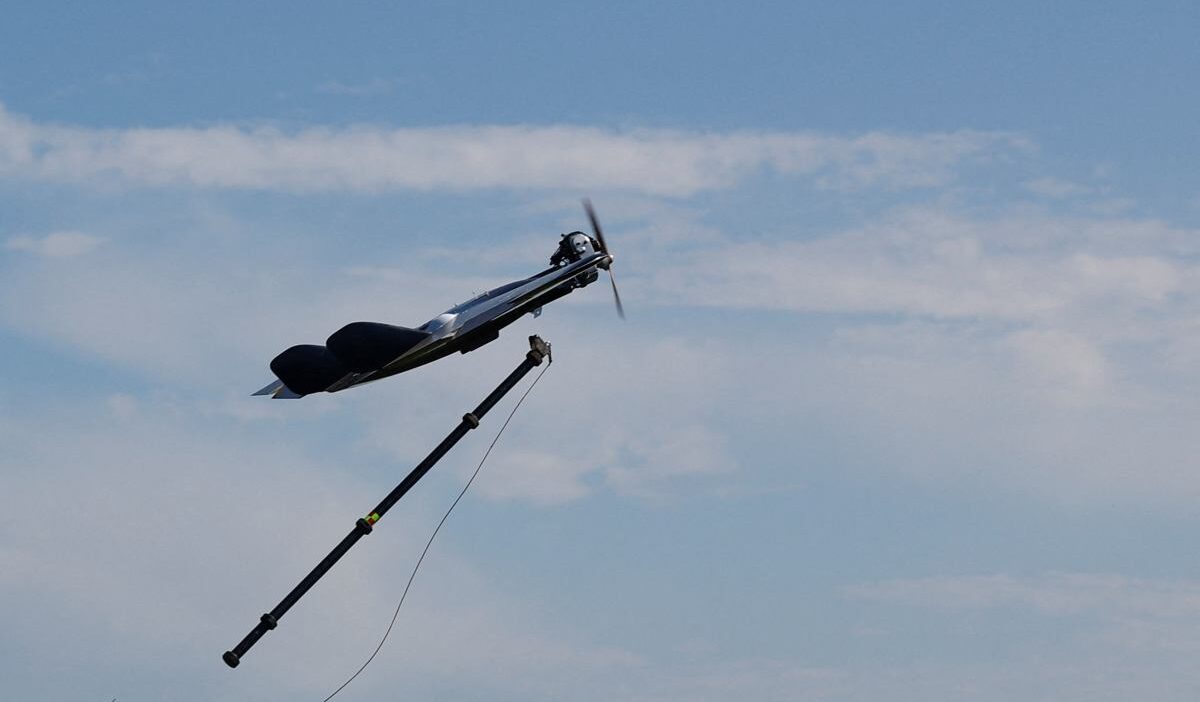
Ukrainian forces launched a nighttime drone strike on the Tuapse oil refinery on the Black Sea coast, marking the fifth assault on the facility within the last two months.
Operational Impact at Tuapse
The Ukrainian General Staff reported that the strike, occurring between Tuesday and Wednesday, resulted in a fire and smoke at the facility, with the total extent of the damage currently being assessed.
Located on the Black Sea coast, the Tuapse refinery is a critical fuel supplier for the Russian Black Sea Fleet, processing between 10 and 12 million tons of crude oil annually, or approximately 240,000 barrels per day.
Infrastructure and Strategic Significance
Owned by the state-controlled Rosneft, the plant is one of Russia’s largest, producing gasoline, diesel, kerosene, and petrochemical feedstocks. Previous strikes have caused significant environmental fallout, including “black rain” composed of soot and combustion byproducts that reached Sochi.
These strikes are designed to cripple Russia’s fuel logistics and war machine by hindering front-line supplies and limiting export revenues. The spring aerial campaign has already contributed to fuel shortages at Russian gas stations.
Market Consequences and Export Restrictions
As domestic production slows, Russia is reportedly considering limitations on the export of aviation fuel and diesel to stabilize the internal market. Moscow’s move to curb exports, necessitated by reduced refinery output, is expected to place significant upward pressure on global oil prices.
Data indicates that Russia remains a top global supplier, accounting for nearly 40 percent of international diesel exports. Previous strikes since March 2026 have disrupted operations at multiple facilities, including those in Yaroslavl, Astrakhan, and Ust-Luga.