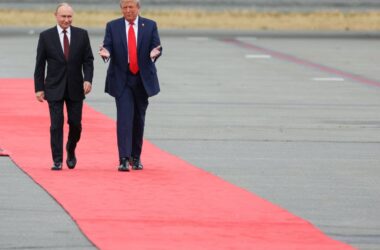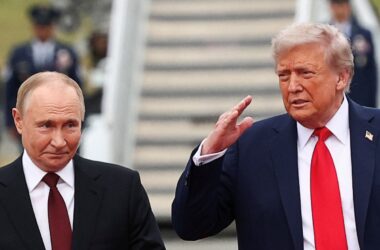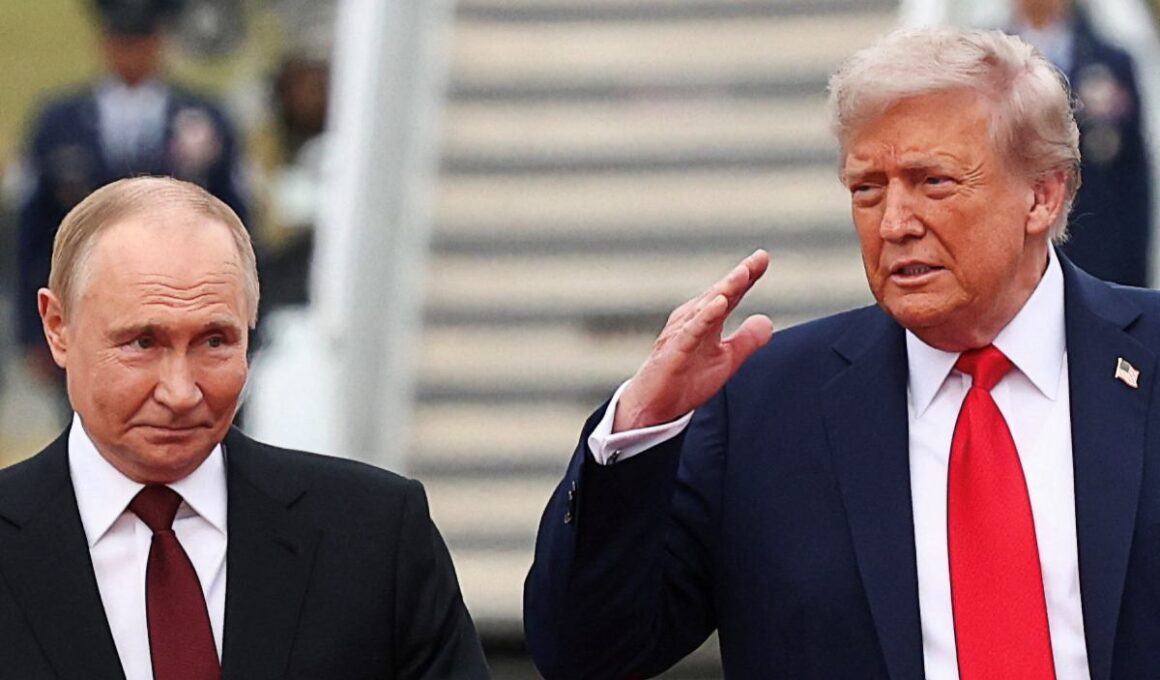
U.S. President Donald Trump and Russian leader Vladimir Putin reportedly discussed safety guarantees for Ukraine at an Alaskan summit, hinting at a NATO‑style Article 5 commitment, but without formal NATO involvement.
Unverified Reports of Security Guarantees
The British newspaper The Telegraph reports that the United States offered Ukraine NATO‑style security guarantees if a peace deal is reached, despite Kyiv not formally joining the bloc. This would mean that U.S. allies in Europe would be bound to respond to any future attack on Ukraine under a mutual‑defence clause similar to Article 5, the basis of NATO.
These unofficial agreements suggest that Vladimir Putin agreed to this arrangement. CNN notes that Trump later discussed the topic with European leaders over a teleconference.
Volodymyr Zelenski on Security Guarantees
In an X‑post on Saturday, Zelenski said sanctions should be tightened if a trilateral meeting fails or if Russia attempts to evade a fair conclusion to the war. “Sanctions are an effective tool,” he said. “Security must be guaranteed reliably and long‑term, involving both Europe and the United States. All important issues for Ukraine must be deliberated with Ukraine present, and no territorial matter should be decided without Ukraine.”
Russia Cannot Exercise Veto Power
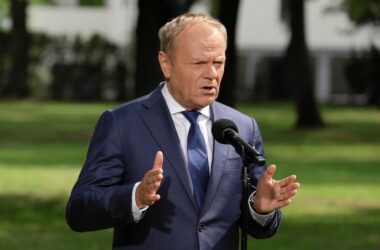
The coalition of willing partners welcomed President Trump’s statement that the U.S. is ready to provide such guarantees, adding that the coalition is ready to play an active role. French President Emmanuel Macron, Italian Prime Minister Giorgia Meloni, German Chancellor Friedrich Merz, British Prime Minister Keir Starmer, Finnish President Alexander Stubb, Polish Prime Minister Donald Tusk, EU Council President Antonio Costa, and European Commission President Ursula von der Leyen said “Ukraine’s armed forces and its cooperation with third parties should not be subject to any restrictions. Russia cannot have veto power over Ukraine’s accession to the EU and NATO.”
What Article 5 of the North Atlantic Treaty Says
Article 5 states that an armed attack on one or more member states in Europe or North America will be considered an attack against all. If such an attack occurs, each party may take individual or collective defense actions, including the use of force, to restore and maintain the security of the North Atlantic area.