Secretary of State Marco Rubio, attending a G7 meeting in France, signaled potential shifts in US policy toward NATO due to perceived imbalances in support.
US Seeks G7 Support for Ormuz Strait Security
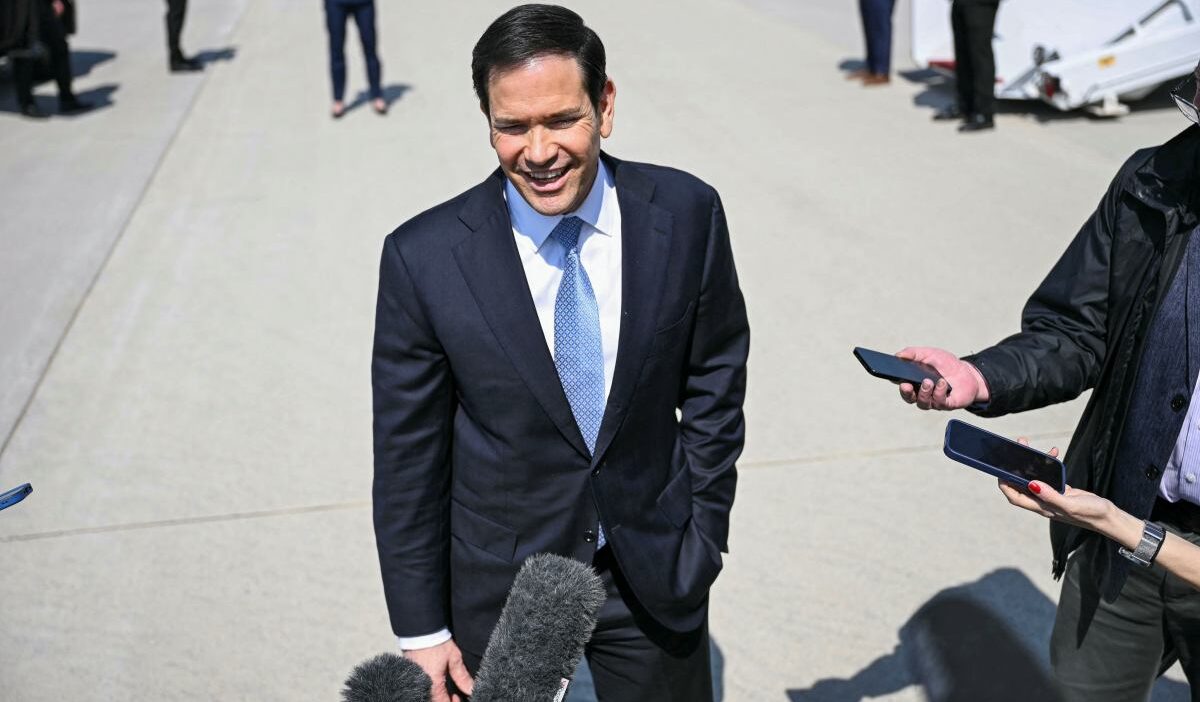
Secretary of State Marco Rubio departed Andrews Air Force Base on March 26th for a G7 foreign ministers’ meeting at Vaux-de-Cernay Abbey in France, focusing on the war in Ukraine, the Middle East, and global peace and stability.
Discussions included security issues and potential areas for cooperation.
US Distances Itself from Strait of Hormuz Concerns
When questioned about seeking G7 assistance in securing the Strait of Hormuz, Rubio stated that such aid was in their interest, noting other nations rely more heavily on the strait for fuel supplies.
Rubio Warns NATO: Presidential Review Expected
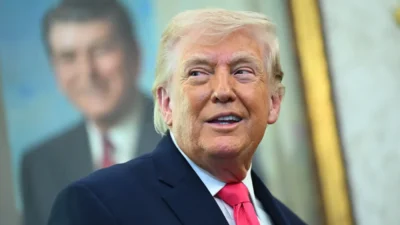
The conference addressed President Trump’s criticisms of NATO, specifically his claim that NATO countries have done “absolutely nothing” regarding Iran.
Rubio characterized this as an observation related to the US seeking assistance in the Ukraine war, while feeling unsupported when it needed help, citing European leaders who didn’t view the conflict as a European war.
He emphasized the US contribution to the Ukraine war and suggested the President would need to consider this imbalance in future policy decisions.
Russia Assisting Iran
Rubio acknowledged reports from the State Institute for International Affairs indicating Russia is providing Iran with intelligence, including locations of US naval assets.
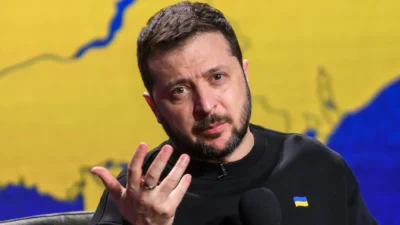
He also referenced Ukrainian President Volodymyr Zelenskyy’s claim that Russia is supplying Iran with Shahed drones for attacks against the US and Israel, but declined to elaborate further publicly.
US-Iran Negotiations Underway Through Intermediaries
Rubio confirmed ongoing US-Iran negotiations, but declined to reveal specific details, stating that “countries are mediating and passing messages.”
He noted some progress in message exchange, characterizing it as a continuous process not to be discussed publicly, and indicated the situation remains fluid.