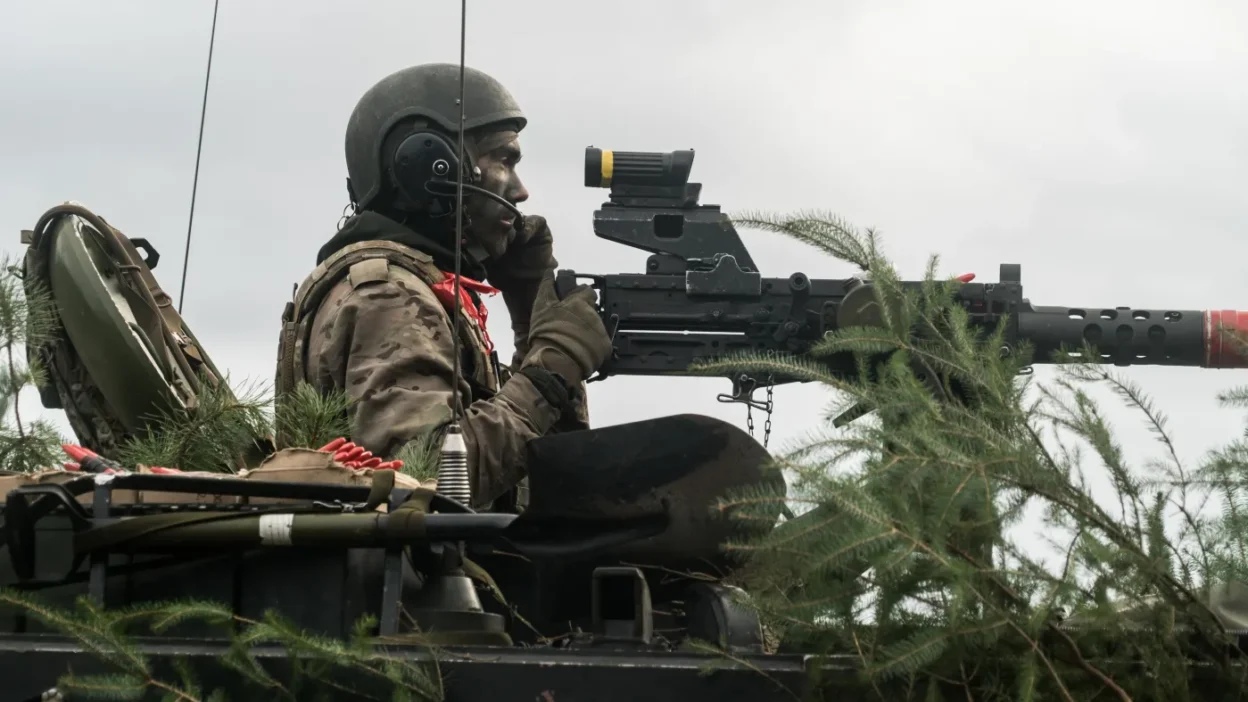
The United States is considering reducing its military presence in Germany, potentially shifting forces eastward, with Poland emerging as a key location.
US Considers Troop Reduction in Germany
The United States is evaluating a reduction in its troop numbers stationed in Germany, a decision expected soon. President Donald Trump has renewed tensions with Berlin while signaling potential adjustments to US force deployments in Europe, impacting Poland.
Trump announced via social media that the US administration is analyzing a scenario involving a reduced military footprint in Germany, with a decision to be announced shortly, prompting immediate reactions from European capitals.
Previous Plans and Current Tensions
Currently, between 35,000 and 37,000 American soldiers are stationed in Germany, a crucial pillar of US presence in Europe encompassing combat units, logistics, and command structures. A reduction would significantly alter NATO’s security architecture on the continent.
Trump previously announced plans in 2020 to withdraw approximately 9,500 troops, citing insufficient German defense spending, but those plans were not implemented.
New announcements come amid escalating tensions between Washington and Berlin, with Trump openly criticizing German Chancellor Friedrich Merz’s geopolitical assessment, particularly regarding the Middle East.
Disagreements Over Iran and NATO Criticism
President Trump emphasized the necessity of action against Iran, citing the threat of Tehran acquiring nuclear weapons, while also accusing Germany of indecisiveness and economic weakness.
Merz cautioned against a prolonged conflict with Iran, referencing experiences in Iraq and Afghanistan, arguing that military operations require a coherent exit strategy.
Trump has repeatedly expressed dissatisfaction with the stance of some NATO countries, including Spain, Italy, the United Kingdom, and Germany, criticizing their limited support for US operations.
Poland as a Potential Beneficiary
Discussions about reducing forces in Germany raise the possibility of relocating troops to other European countries, with Poland, Romania, Lithuania, and Greece mentioned as potential beneficiaries.
The US has previously considered shifting units closer to NATO’s eastern flank, with Poland frequently identified as a natural destination due to its strong alliance with the US.
Warsaw’s importance in US strategy has grown due to increased defense spending and its active stance towards threats from Russia, with a bolstered US military presence signaling commitment to the eastern flank.
NATO 3.0 and Continued Cooperation
Alongside political tensions, discussions are underway regarding the future of NATO, with the Pentagon’s Elbridge Colby highlighting US collaboration with European partners on transforming NATO into a “NATO 3.0” framework.
This project aims to address evolving geopolitical realities, including the rise of China and new hybrid threats, with increased European responsibility for their own security as a key element.
Despite the sharp rhetoric, military cooperation between the US and Germany remains intensive, with the Bundeswehr continuing modernization efforts and maintaining close operational ties with US forces.
Potential Consequences for European Security
A potential reduction of US troops in Germany could have broad consequences for the region, as Germany serves as a key logistical hub for NATO operations, potentially impacting the Alliance’s rapid response capabilities.
Conversely, shifting forces eastward could strengthen the security of countries bordering Russia and Belarus, aligning with the demands of Central and Eastern European nations for a greater US military presence.
Whether the planned changes will result in a permanent relocation or a temporary strategy review remains uncertain, dependent on both military calculations and political relations between Washington and its European allies.
Materiał chroniony prawem autorskim – wszelkie prawa zastrzeżone. Dalsze rozpowszechnianie artykułu za zgodą wydawcy INFOR PL S.A. Kup licencję. Wpisz adres e-mail wybranej osoby, a my wyślemy jej bezpłatny dostęp do tego artykułu Powiązane Copyright © INFOR PL S.A.