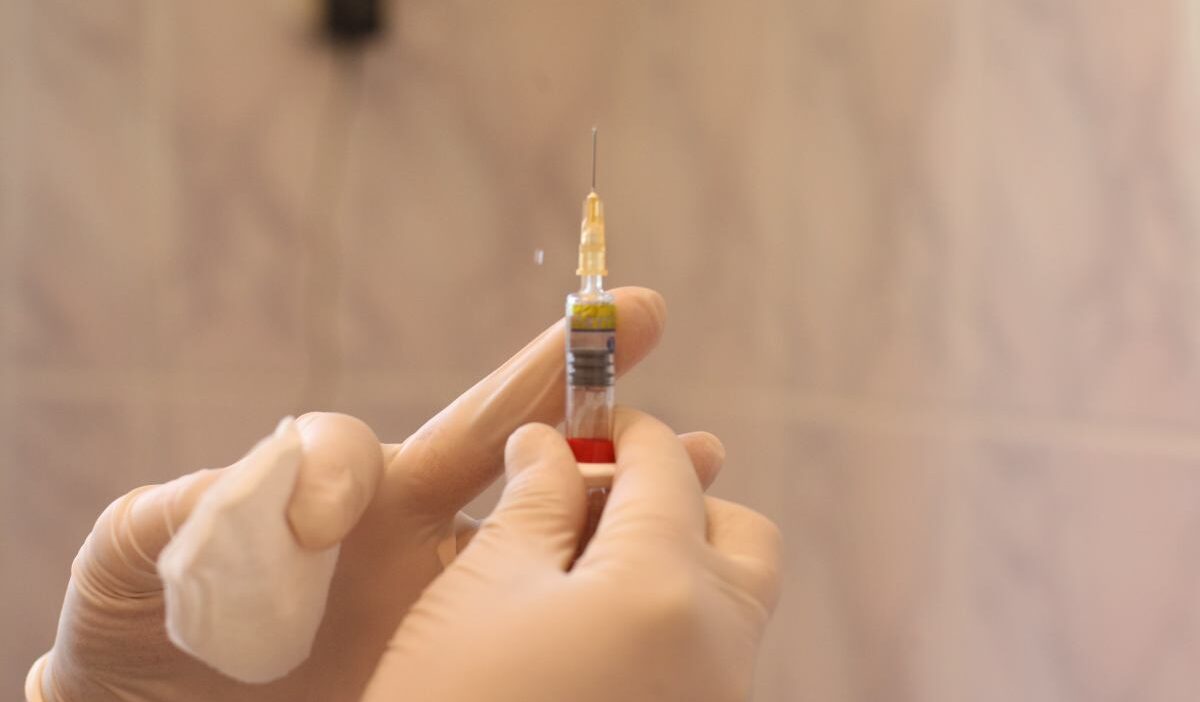
A retrospective study reveals increasing requests for blood from unvaccinated donors in the U.S., leading to care delays and logistical challenges.
Study Findings and Shift in Transfusion Protocols
Researchers conducted a retrospective study analyzing two years of directed blood donations – donations specifically designated for a known recipient. Data from Vanderbilt University Medical Center (VUMC) showed refusals to use standard blood supplies due to concerns about “vaccinated blood” following the COVID-19 pandemic.
This trend represents a departure from established transfusion safety protocols and evidence-based medical practice, echoing early HIV/AIDS-era blood safety concerns.
Demand for Unvaccinated Blood in the U.S.
In the United States and other high-income countries, blood safety and availability rely on anonymous, voluntary, and unpaid donations. This model, based on altruism and social solidarity, has proven effective in maintaining blood safety through rigorous donor screening, infectious disease testing, and quality control.
Blood Safety and Screening Advancements
Advances in donor screening and testing have made donated blood exceptionally safe, with the residual risk of infection per unit estimated to be less than 1 in 1 million for major transfusion-transmitted viruses.
Legislative Proposals and Regulatory Opposition
Requests for blood from unvaccinated donors have become a recurring challenge for blood transfusion services and physicians. Recent legislative proposals in several U.S. states aimed to mandate accommodating such requests.
Regulatory and professional organizations opposed these proposals, noting that blood centers do not record or share donor COVID-19 vaccination status, and evidence indicates transfusions from vaccinated donors do not pose a unique risk.
Impact on Patient Care
During the study period, VUMC’s blood bank received 144,856 blood products, with directed donations accounting for 0.03% (48/144,856). The study found that patient clinical status worsened for two patients (including one child) due to refusal of standard blood components, and one pediatric patient received a transfusion deviating from institutional guidelines to avoid delays.
Delays or cancellations of surgeries occurred for two children due to the need to reschedule based on the unavailability of required blood components. Authors concluded that requests for unvaccinated donor blood were associated with delays in care, escalation, and inefficiency.
Misinformation and Erosion of Trust
Authors attribute requests for unvaccinated blood to misinformation, vaccine hesitancy, and a broader erosion of trust in scientific and medical knowledge. They observed these trends have tangible clinical implications, including care delays, logistical difficulties, and potential patient safety risks.
The study emphasizes the need for continued patient and public education, reinforcement of evidence-based transfusion practices, and policies prioritizing safety, equity, and scientific integrity. Standardization of blood center policies is also recommended, ensuring decisions are based on medical rationale rather than varying institutional approaches.
Concerns About Directed Donations and Risk Assessment
The study notes that COVID-19 vaccine components do not remain in the blood for extended periods, and antibodies produced from vaccination function similarly to those from natural infection. As with family or friend donations, donors may be reluctant to disclose risky behaviors or falsely deny vaccination status.
Previous research showed that directed donations, particularly from family members, were associated with higher rates of infectious disease markers compared to voluntary, anonymous donations. The observed clinical deterioration in the study series challenges claims that directed donations are low-risk.
Need for Policy and Education
Authors suggest the need to educate American policymakers, as states like Oklahoma, Tennessee, Kentucky, Utah, Montana, and Wyoming have considered legislation allowing patients to request unvaccinated blood. These bills were not enacted as of early 2026.