EU foreign ministers failed to agree on suspending the association agreement with Israel amid growing pressure and deep divisions over the Gaza situation.
Pressure from Critical States
Ireland, Spain, and Slovenia have recently intensified their rhetoric, pointing to the dramatic humanitarian situation in Gaza, limited access to aid, and increasing violence by Israeli settlers in the West Bank.
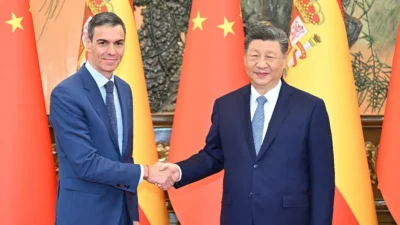
Spanish Foreign Minister José Manuel Albares emphasized that Israel’s current policies make maintaining the current level of relations impossible. Prime Minister Pedro Sánchez has previously called for a complete suspension of the EU-Israel agreement.
Belgium also joined the criticism, with Foreign Minister Maxime Prévot highlighting the “unprecedented level” of settler violence and legislative actions by the Israeli parliament that she believes contradict EU values.
Opposition from Germany and Concerns About Sanctions’ Effectiveness
Key to blocking the decision is opposition from countries like Germany. German Foreign Minister Johann Wadephul stressed that dialogue with Israel should continue, even if critical.
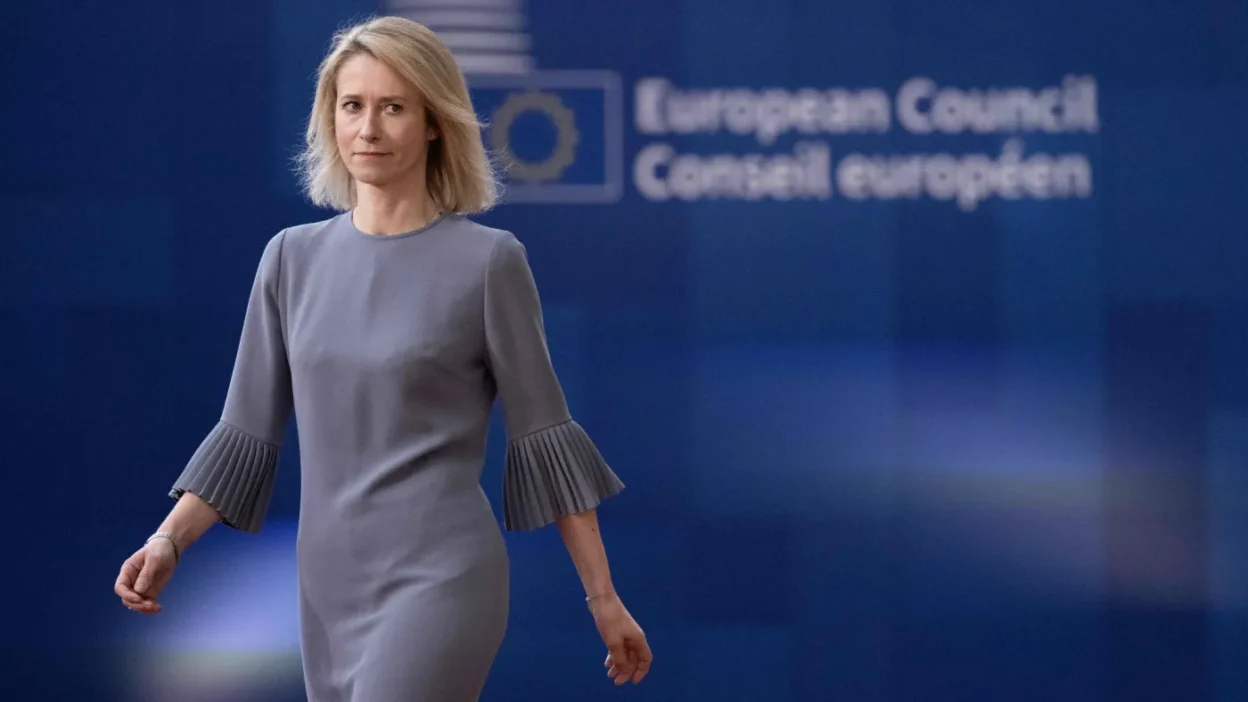
EU High Representative Kaja Kallas also expressed skepticism about the effectiveness of sanctions, noting that suspending the agreement may not automatically curb settler expansion in the West Bank. She rejected accusations of double standards in EU foreign policy.
Italy and some Central European countries share similar concerns, fearing a weakening of strategic relations with Israel, particularly in terms of security and technological cooperation.
Growing Criticism from International Organizations
The lack of decisive action from the EU has drawn sharp criticism from NGOs. Amnesty International accused the Union of “moral failure” and an inadequate response to the suffering of civilians.
Over 70 organizations have called for the suspension of the association agreement, with similar demands signed by over a million citizens and nearly 400 European diplomats and officials. Critics argue that inaction undermines the EU’s credibility as a defender of human rights.
Alternative Proposals and the Palestinian Authority’s Situation
France and Sweden proposed considering imposing tariffs on goods originating from Israeli settlements in the West Bank and export restrictions to those areas. The European Commission had previously stated that products from the settlements do not benefit from trade preferences under the EU-Israel agreement.
The debate is set against the backdrop of a deteriorating situation for the Palestinian Authority. Norwegian Foreign Minister Espen Barth Eide pointed to Israel’s suspension of the transfer of customs revenues due to the Palestinians.
These funds are a key source of funding for the administration, including salaries for teachers, doctors, and public servants. Their blockade since May 2025 exacerbates the economic and institutional crisis.
Israel’s Sharp Reaction to EU Criticism
Israeli authorities strongly reject the accusations made by some European countries. Foreign Minister Gideon Saar accused the Spanish government of hypocrisy and double standards.
He argued that the criticism from Madrid is part of a broader campaign against Israel, and that the actions of some European politicians support the narratives of hostile states and organizations.
EU Actions Towards Iran
During the same meeting, ministers also addressed the issue of Iran. Kaja Kallas announced an extension of sanctions against those responsible for disrupting freedom of navigation in the Strait of Hormuz.
The new restrictions are to be introduced in May and will be another element of tightening EU policy towards Tehran. This decision highlights the contrast in the Union’s approach to different international crises, further fueling the debate about the coherence of European foreign policy.