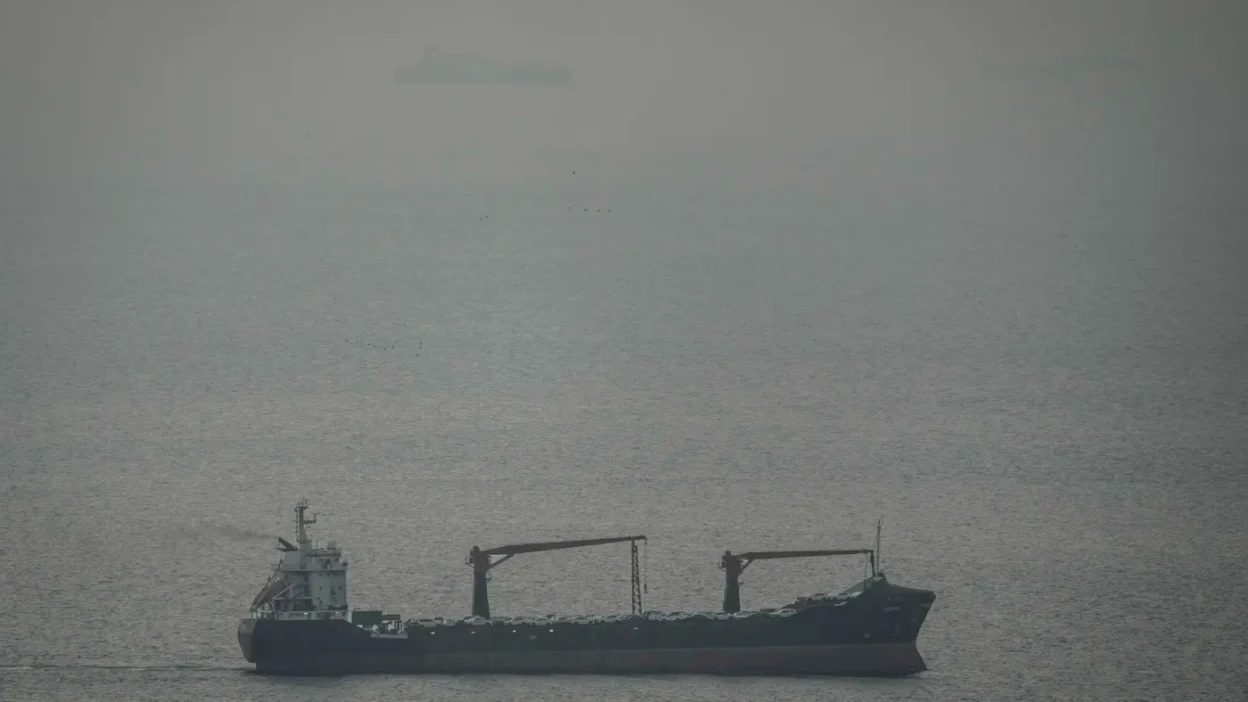
Iranian naval forces opened fire on a container ship transiting the Strait of Hormuz Wednesday morning, hours after a temporary truce was extended.
Strait of Hormuz Incident
Early Wednesday morning, an Iranian military unit fired upon a container ship passing through the Strait of Hormuz. The attack occurred as diplomatic efforts to maintain a fragile ceasefire in the region continued.
The incident took place around 5:55 AM Polish time. The United Kingdom Maritime Trade Operations (UKMTO) reported that an Iranian warship approached the civilian vessel and subsequently fired shots, hitting the bridge and causing damage.
No Casualties, But Heightened Concerns
There were no casualties among the crew, nor were there any reports of fuel or other hazardous substance leaks. The ship did not catch fire, and the situation was contained without escalation. However, the event has raised serious concerns among maritime transport operators and shipowners using this route.
Strategic Importance of the Strait
The Strait of Hormuz remains a key artery for global oil trade, with estimates suggesting that around 20 percent of global crude oil supplies pass through the narrow waterway. Any disruption to traffic in this region immediately impacts energy markets.
Truce Extension and US-Iran Tensions
The shooting occurred just hours after Donald Trump’s decision to extend the ceasefire between the United States and Iran. The truce, implemented two weeks prior, is set to remain in effect until Tehran presents a new proposal to end the conflict.
The US administration maintains a blockade of Iranian ports, a significant element of economic pressure on Tehran. Analysts believe the extension of the ceasefire is tactical, intended to allow for further negotiations, but incidents like the ship attack significantly complicate the situation.
Iranian Threats to Persian Gulf States
Concurrent with military actions, Iranian military officials have issued strong statements. Majid Musawi, commander of the Iranian Air Force, warned that Tehran could strike oil infrastructure in the region if hostilities resume.
He emphasized that countries offering their territory or facilities for actions against Iran must face serious economic consequences, potentially paralyzing oil production in Persian Gulf states, with global energy market repercussions.
Escalation of Conflict and Regional Instability
The conflict began on February 28th, when the United States and Israel initiated military actions against Iran. In response, Tehran decided to block the Strait of Hormuz, immediately impacting global oil prices.
Since then, maritime security in the region has been a central topic of diplomatic discussions. Experts note that even isolated incidents involving force can lead to sharp market reactions and increased military presence in the area.
The situation in the Strait of Hormuz remains unstable, and each new episode involving armed forces increases the risk of a wider escalation of the conflict, which already impacts the global economy.