Donald Trump extended a ceasefire with Iran, citing internal divisions within the Iranian government, while maintaining a naval blockade and threatening further action.
Reasons for Extending the Ceasefire in Iran
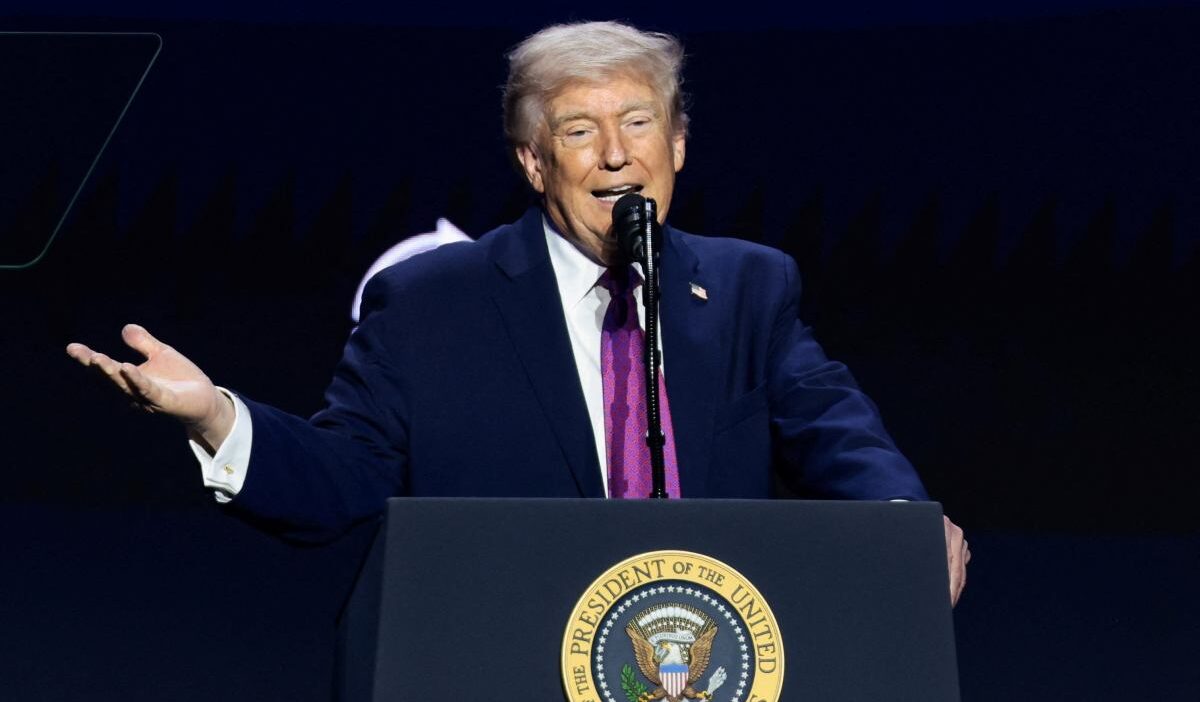
Donald Trump announced on Tuesday night (April 21st) via Truth Social the extension of the ceasefire “in connection with the fact that the Iranian government is seriously divided.” Attacks will therefore be suspended until Iranian leaders and negotiators “present a unified proposal.”
Iran Denies Requesting Extension
The Tasnim news agency, affiliated with the Islamic Revolutionary Guard Corps, reported that Iran did not request an extension of the ceasefire. However, the American proposal is still under consideration.
Waiting for Khamenei’s Direction
Axios, citing Israeli and Middle Eastern sources, reported that negotiators from the US and Pakistan are still awaiting a response and clear guidance from Khamenei. An Axios source stated that Iranian negotiators are “waiting for the green light from the supreme leader.” A source in Israel indicated Khamenei is expected to respond on Wednesday.
Internal Debate in Iran
According to reports, Iranian authorities have been engaged in intense internal debate in recent days regarding how to proceed in talks with the Trump administration. Iranian civilian leaders, including Foreign Minister Abbas Araghchi and Parliament Speaker Mohammad Bagher Ghalibaf, favor continuing talks to extend the ceasefire and reach an agreement.
However, the commander of the Islamic Revolutionary Guard Corps, General Ahmad Wahidi, reportedly refused to agree to concessions and opposed negotiations as long as the American blockade of Iranian ports continues.
Blockade of Iranian Ports a Sticking Point
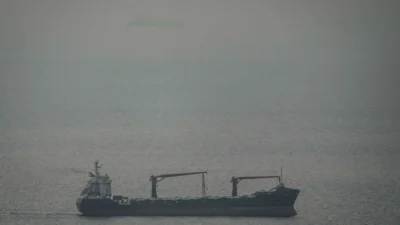
According to Reuters, Tehran considers the blockade of Iranian maritime trade an act of war, causing economic losses. Trump acknowledged these losses, stating, “Iran is financially collapsing! They want the Strait of Hormuz opened immediately. They are financially starving!”
US Continues Economic Pressure
US Treasury Secretary Scott Bessent announced on Tuesday that he would continue economic pressure on Iran, including the blockade. He believes oil storage facilities on Khark Island will fill within days, forcing Iran to halt crude oil production.
Trump Links Blockade to Agreement
Trump believes the consequences of the blockade could pressure Iran into agreeing to terms on America’s conditions. He stated that lifting the blockade is not an option: “If we do, there will never be a deal with Iran, unless we blow up the rest of their country, including their leaders.”
Shift from Renewed Bombing Threat
Trump had stated earlier Tuesday that he would resume bombing Iran after the end of the two-week truce, which he considered to end Wednesday evening. He previously threatened to destroy all Iranian bridges and power plants. He halted this decision after a meeting at the White House with Vice President J.D. Vance, Defense Secretary Pete Hegseth, and Secretary of State Marco Rubio.
US Delegation to Pakistan?
Vance reportedly traveled to Pakistan on Tuesday for another round of talks with Iran. Axios reported that his trip and that of the rest of the team – special envoy for peace missions Steve Witkoff and the President’s son-in-law Jared Kushner – was “indefinitely postponed,” which the portal interpreted as a cancellation of the talks.
Talks Paused Due to Lack of Response
The New York Times, citing a US official, reported that the decision to suspend talks was linked to the lack of a response from Iran to the American proposal.
Iranian Reservations
Trump initially announced that negotiations would take place on Monday. In recent days, both sides have accused each other of violating the ceasefire. Iranian officials have stated they will not negotiate under pressure or demands for capitulation.
Trump’s Public Statements Criticized
According to CNN, Iranian officials also complained that Trump’s constant public statements, claiming the Iranians “agreed to everything” and that the end of the war was near, negatively impacted the talks. The President claimed Tehran agreed to, among other things, ship out its enriched uranium reserves, which Iranian authorities deny.
Deep Distrust of US Actions
“There is a deep, historical distrust of US government actions in Iran, and the unconstructive and contradictory signals from American officials carry a bitter message: they seek Iran’s capitulation. Iranians do not submit to force,” Iranian President Masud Pezeshkian wrote on Monday.
Escalation in the Middle East
Israel and the US began a war against Iran on February 28th. In response, Tehran, among other things, imposed a blockade of the Strait of Hormuz – the main route for oil transport from the Persian Gulf. This caused oil prices to rise sharply, and the issue of unblocking the Strait of Hormuz is one of the main topics of negotiations between Iran and the US.