A parliamentary committee rejected a motion of no confidence against Climate and Environment Minister Paulina Hennig-Kloska, but a final vote awaits in the Sejm.
Opposition’s No-Confidence Motion Fails in Committee
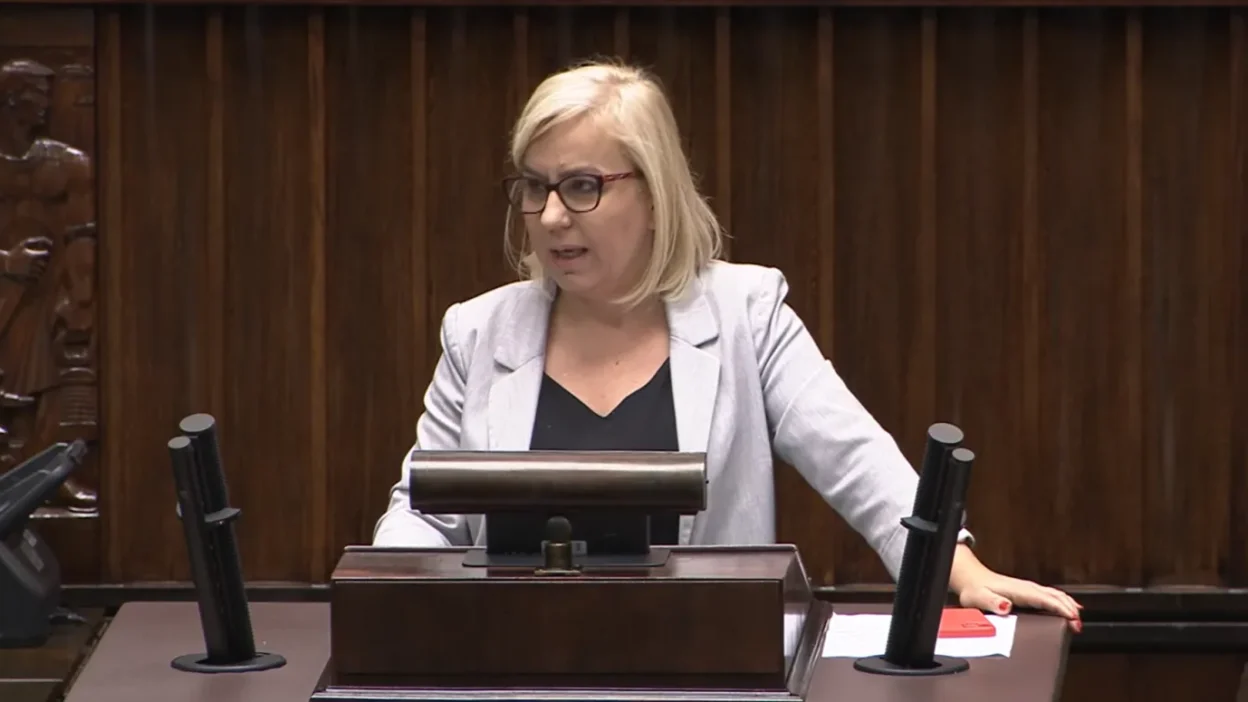
The Sejm’s environmental protection committee voted against the no-confidence motion against Minister of Climate and Environment Paulina Hennig-Kloska, with 21 votes against 15 and no abstentions. The final decision rests with the entire Sejm, scheduled to vote on the matter Thursday.
The motion was submitted by the opposition on March 27th, garnering signatures from over 80 parliamentarians, primarily from Law and Justice and the Confederation. Despite this support, opponents of the minister’s removal prevailed during the committee session.
Political Pressure and Allegations of Incompetence
The no-confidence motion is part of a broader opposition strategy criticizing the climate ministry’s actions since the beginning of the term. The motion cited “serious competency gaps,” legislative errors, and decisions made without adequate assessment of social and economic impacts.
Key Criticisms: Energy Reform, Deposit System, and “Clean Air” Program
Opposition politicians pointed to delays in key energy reforms, ambiguities surrounding the deposit system, and problems with the “Clean Air” program. Concerns were also raised regarding a lack of a coherent energy transition strategy and difficulties in communication with local governments and businesses.
Government Defends Reforms and Cites Complex Challenges
Ruling coalition representatives argued that some problems stem from the need to reform systems inherited from previous governments. They emphasized that the scale of challenges—particularly within the context of EU climate policy—requires time and comprehensive legislative changes.
Discussions on Deposit System and “Clean Air” Program
Parallel to the committee’s work, a meeting took place between Katarzyna Pełczyńska-Nałęcz, head of Poland 2050 and Minister of Funds and Regional Policy, and Paulina Hennig-Kloska. The discussion focused on the most problematic areas of the government’s climate policy, specifically the deposit system and the “Clean Air” program.
Both mechanisms have faced controversy and criticism from both the opposition and expert circles.
Challenges with Implementation and Transparency
The deposit system, intended for beverage packaging and increased recycling, faces organizational and legislative difficulties. Businesses cite a lack of clear guidelines and a tight implementation schedule. The “Clean Air” program, designed to support heating source replacement and energy efficiency improvements, struggles with procedural issues, lengthy application processing times, and allegations of financial abuse in previous years.
The meeting was described as a working session focused on specific proposed solutions, emphasizing the need to streamline systems and increase transparency and efficiency.