Pentagon officials addressed Iran’s recent attacks on vessels and facilities, affirming a commitment to protecting maritime traffic through the Strait of Hormuz.
Hegseth Addresses End of Ceasefire Concerns
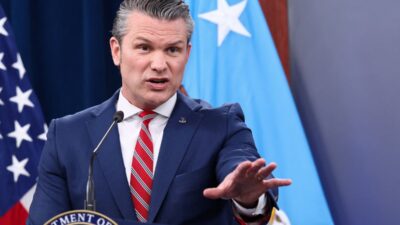
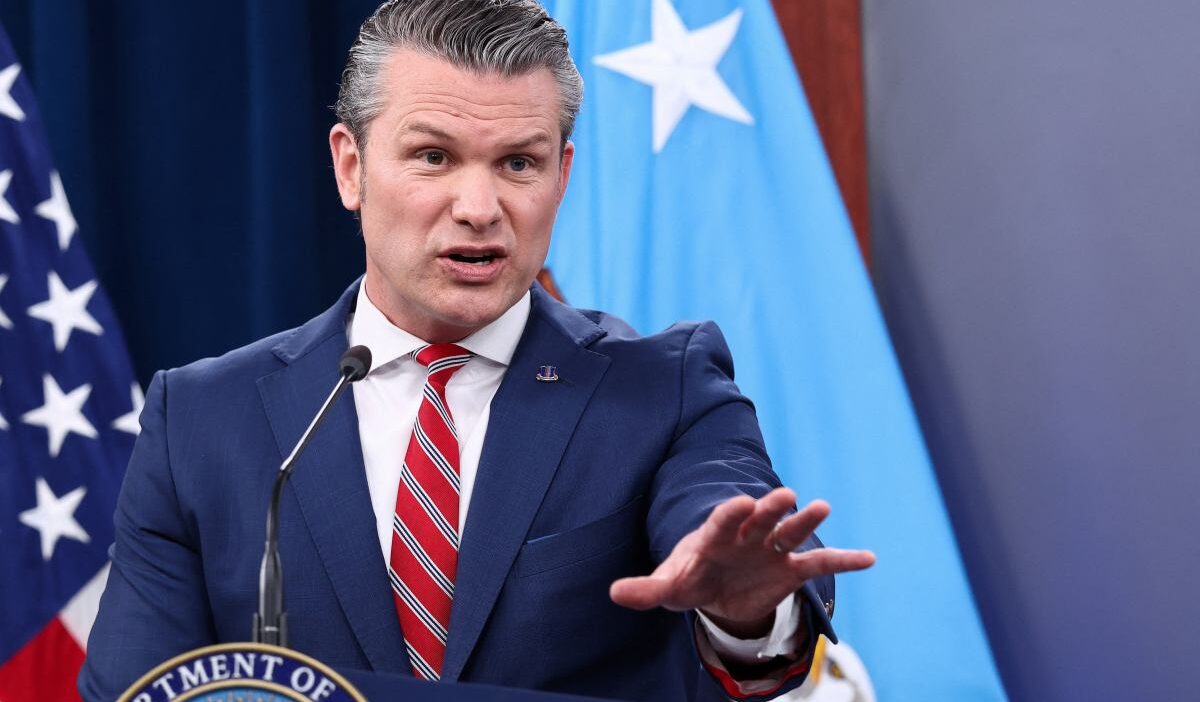
Pete Hegseth stated on Tuesday, May 5th, during a press conference regarding “Project Freedom”—an operation designed to facilitate the transit of commercial ships through the Strait of Hormuz—that the ceasefire with Iran remains in effect.
He acknowledged that some disruptions were anticipated at the outset of the project, and these have indeed occurred.
“Iran is Grasping at Straws”
Chairman of the Joint Chiefs of Staff, Gen. Caine, indicated that determining what constitutes a violation of the ceasefire is a political matter, outside his purview. He described the Iranian missile and drone attacks on ships and the port in the United Arab Emirates as “minor harassing fire.”
Gen. Caine assessed that “Iran is grasping at straws.”
Iranian Attacks and Divided Command Structure
Since the ceasefire began nearly a month ago, Iran has fired upon commercial vessels nine times and seized two container ships, as well as attacked US forces over 10 times. However, these attacks were deemed “below the threshold for needing to restart serious combat operations.”
Gen. Caine emphasized that Iranian command structures are deeply divided, potentially leading the Islamic Revolutionary Guard Corps to make decisions contrary to civilian authorities.
Hegseth Warns Iran
The Secretary of War warned Iran that further attacks will be met with a strong response. Hegseth stated, “If you attack American forces or innocent commercial vessels, you will meet overwhelming and destructive American firepower.”
He expressed a preference for a peaceful operation but affirmed readiness to defend personnel, ships, aircraft, and the mission, ensuring the free flow of innocent vessels.
Temporary Mission and Partner Involvement
The Minister noted the mission is temporary, with the US intending to transfer responsibility for the Strait to partner nations, who he believes are interested in doing so. He also expressed hope that South Korea, whose ship was struck by Iran on Monday, would join efforts to unblock the waterway.
Strait of Hormuz Remains Navigable
Hegseth stated that the transit of two American ships and two US vessels through the Strait on Monday demonstrated its navigability. Gen. Caine announced that additional ships will utilize the corridor designated by US forces, located near the coast of Oman.
“Kamikaze Dolphins” in the Strait of Hormuz?
Regarding reports that Iran is training “kamikaze dolphins” for attacks in the Strait, Hegseth said he could neither confirm nor deny whether the US possesses such capabilities, but assessed that Tehran likely does not.
He assured that, despite Iran’s weakened forces, the threat posed by the Islamic Revolutionary Guard Corps’ small assault boats is not being underestimated.
Middle East Conflict Background
The conflict began on February 28th with airstrikes by Israel and the US against Iran. Tehran responded with attacks on both Israel and Arab states in the Persian Gulf region, including US military bases and civilian facilities like airports and petrochemical installations.
Iran also blocked free navigation through the Strait of Hormuz, halting oil exports from the Middle East.
Ceasefire and Trump’s Position
A ceasefire has been in effect since April 8th, and was subsequently extended by US President Donald Trump. White House spokesperson Karoline Leavitt stated in late April that Trump has not set a date for the ceasefire to end.