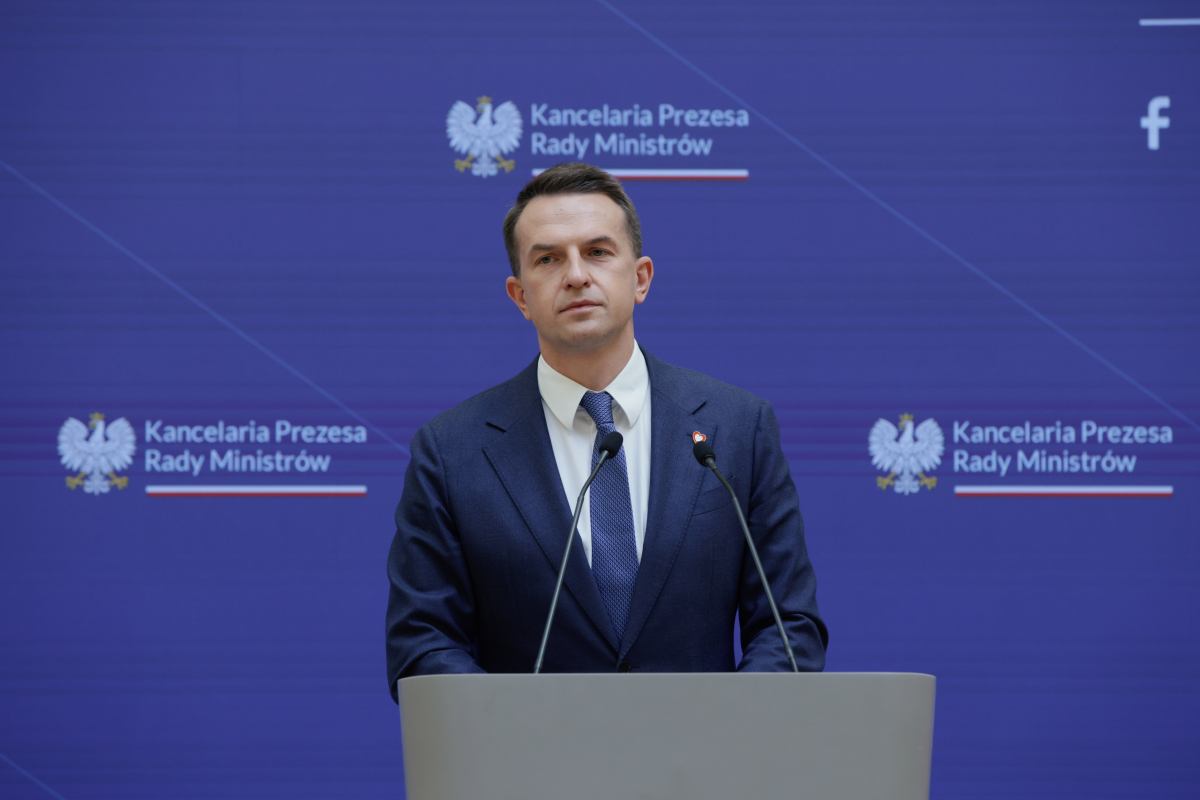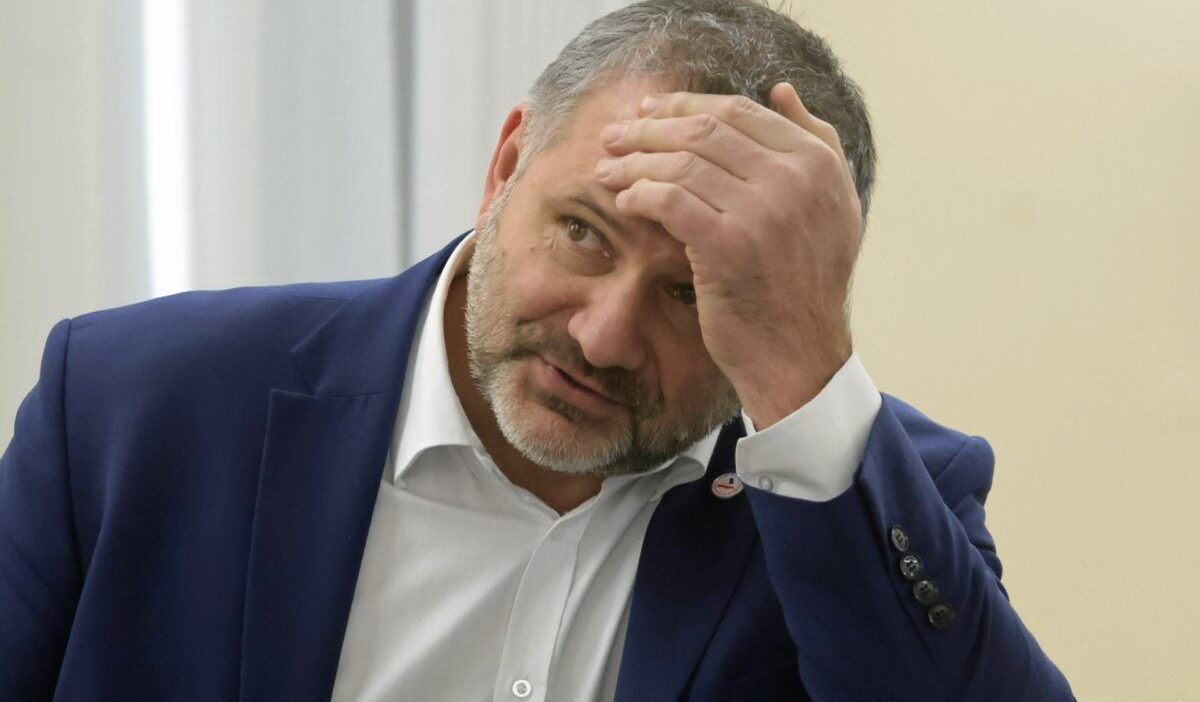
Justice Minister Waldemar Żurek indicated willingness to compromise on judicial council (KRS) reforms, but insists judges must elect their representatives.
KRS Reform and Initial Dispute
A proposed amendment to the law on the National Council of the Judiciary (KRS) stipulated that 15 out of 25 council members would be selected by the judicial community, rather than the Sejm (Parliament) as previously. This change aimed to address concerns regarding the independence and impartiality of the council.
Zbigniew Bogucki, Head of the Presidential Chancellery, argued this method would “cement” the KRS, claiming parliament would have “nothing to say.”
Presidential Veto and Government Response
Karol Nawrocki vetoed the KRS amendment on February 19th. Waldemar Żurek assessed that this decision would “deepen chaos and prolong proceedings” affecting Polish citizens. In response, President Duda submitted his own bill to the Sejm to restore the right to a court and prompt case resolution.
The presidential bill aims to “ensure the implementation of the right to an impartial and independent court and to ensure the prompt consideration of a case by a court composed of independent judges.”
Żurek Criticizes Nawrocki’s Proposal
The government does not support the President’s proposal. Justice Minister Żurek stated their position differs fundamentally from the Presidential Chancellery, asserting that Parliament should elect six KRS members, not the entire council.
Dagmara Pawełczyk-Woicka (KRS Chairwoman) and the Presidential Chancellery allow for the selection of some judicial members by politicians—a key point of contention, according to Żurek.
Conditions for Compromise
Żurek indicated he would be open to compromise if the dispute concerned only minor details like seniority or formal criteria. However, he emphasized one condition: “The judicial part of the KRS must be elected by judges.”
He stated this requirement is mandated by the Polish Constitution and rulings from the Court of Justice of the European Union (CJEU), adding that fulfilling this condition would allow for the termination of the current term and the holding of elections among judges.
KRS Composition and Historical Context
According to Article 187 of the Polish Constitution, the National Council of the Judiciary consists of 25 members: the First President of the Supreme Court, the Minister of Justice, the President of the Supreme Administrative Court, a person appointed by the President, fifteen members elected from among judges of the Supreme Court, common courts, administrative courts, and military courts, four members elected by the Sejm from among MPs, and two members elected by the Senate from among senators.
Changes Introduced in 2017
Until 2017, judges themselves selected the fifteen judicial members of the KRS. A 2017 amendment introduced by the Law and Justice (PiS) government transferred this power to the Sejm, raising concerns about the KRS’s independence.
These concerns were voiced by the Court of Justice of the European Union (CJEU), the European Court of Human Rights (ECHR), the Supreme Court, and the Supreme Administrative Court. The Prime Minister’s Chancellery maintains the amendment implements their rulings.