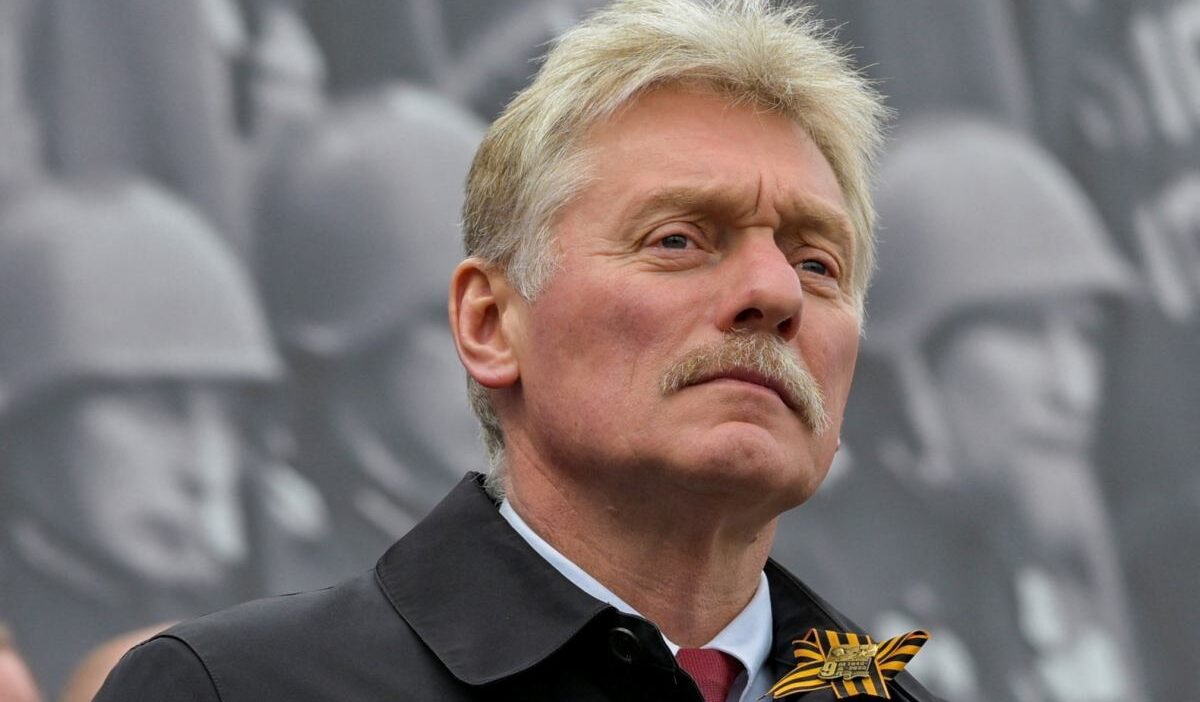
Kremlin spokesperson Dmitry Peskov says Russia is prepared to engage in talks with European capitals, claiming that dialogue is preferable to the current path of confrontation favored by the West.
Moscow Welcomes Evolving European Rhetoric
Russia claims it has noted statements from various European capitals regarding the necessity of negotiations. Peskov noted that while such discussions were absent months ago, recent comments from Finnish President Alexander Stubb and officials in Berlin suggest a growing acknowledgment that direct talks with Russia may eventually become unavoidable.
Peskov stated that if Europe shifts its stance from confrontation toward dialogue, Russia would welcome the change. He described the current European approach as inherently confrontational and insisted that Moscow is prepared to participate in substantive discussions.
Tensions and Scathing Remarks on Lithuania
The Kremlin dismissed recent comments from Lithuanian Foreign Minister Kestutis Budrys, who suggested that NATO possesses the capabilities to dismantle Russian air and missile defense bases in the event of a crisis. Peskov described the minister’s statement as verging on madness.
Geopolitical tensions remain high as reports indicate repeated incursions into the airspace of Baltic nations. While Reuters notes that Ukrainian drone strikes have occasionally crossed into NATO-aligned territories including Finland, Latvia, Lithuania, and Estonia, the Kremlin continues to frame the diplomatic friction as a result of Western aggression.
European Disunity Over Mediation
European leadership remains deeply divided over the strategy for future negotiations. While nations like Finland and Belgium support resuming contact, officials such as Ursula von der Leyen and Kaja Kallas oppose the initiative. Estonia and Latvia have suggested designating a single representative to manage the dialogue with Moscow.
A Russian proposal to appoint former German Chancellor Gerhard Schroeder as a mediator has been flatly rejected by Berlin. German officials argue that Schroeder, formerly nicknamed Gas-Gerd for his ties to Nord Stream, is too closely aligned with Vladimir Putin to act as a neutral party. Italian Foreign Minister Antonio Tajani added that the European Union, not Russia, must be responsible for selecting any future negotiator.