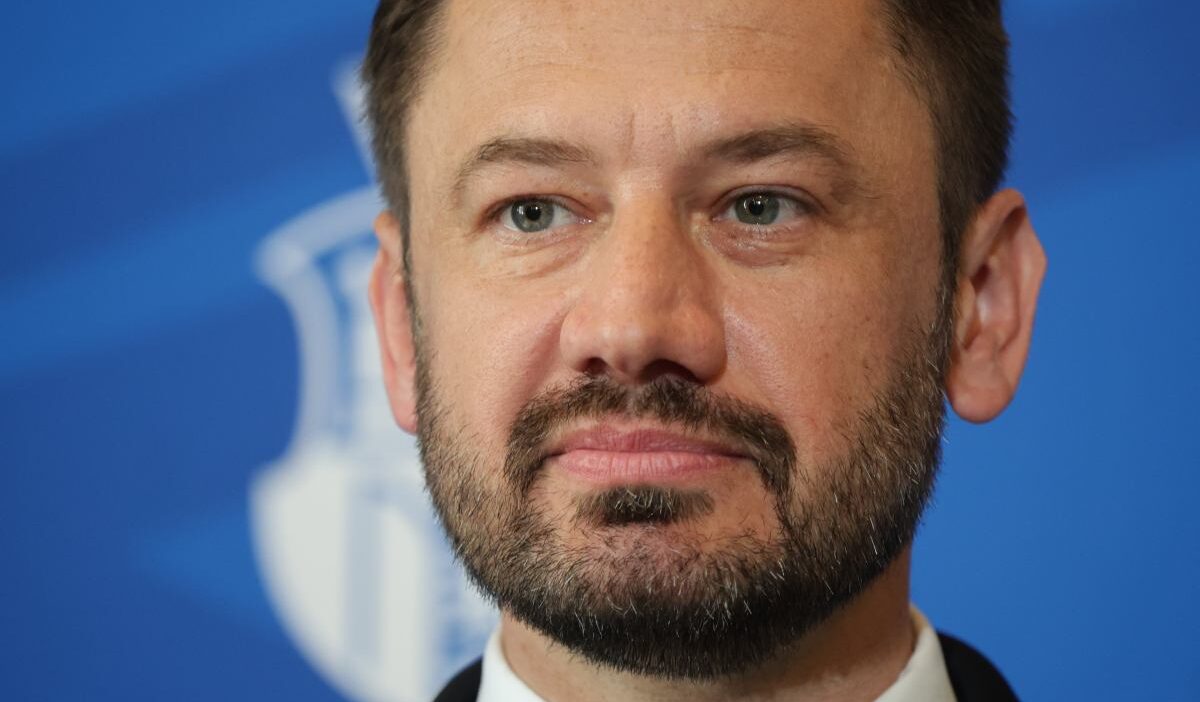
Kraków residents have voted to recall Mayor Aleksander Miszalski and the City Council in a weekend referendum that saw a 31.8 percent turnout, exceeding the thresholds required to validate the results.
Referendum Participation and Results
The referendum took place across 453 voting districts, including specialized locations such as hospitals, nursing homes, and correctional facilities. To be binding, the vote required a turnout of 3/5 of the number of people who participated in the mayoral runoff election.
According to late poll data from the Nationwide Research Group (OGB), turnout reached 31.8 percent. Preliminary figures indicate that 97.8 percent of voters supported the removal of Aleksander Miszalski, while 96 percent voted to dissolve the Kraków City Council.
A Verdict on National Governance
Łukasz Pawłowski of OGB noted that the results reflect significant voter dissatisfaction with the current national government. Data suggests that 26 percent of participants viewed their vote specifically as a protest against Prime Minister Donald Tusk’s administration rather than a local critique of the mayor.
This sentiment was particularly strong among opposition voters, with nearly half of Law and Justice (PiS) supporters and 40 percent of Grzegorz Braun’s followers citing opposition to the Tusk government as their primary motivation for casting a ballot.
Next Steps for City Administration
If the results are officially confirmed, the Prime Minister is required to order snap elections within 90 days. During the interim period, a government-appointed commissioner will manage the city.
Referendum organizers are urging the Prime Minister to select a commissioner who will address key local concerns, including the revision of the Clean Transport Zone, financial audits, and the restructuring of municipal departments created during Miszalski’s tenure.
Political Context and Motivations
The recall initiative was driven by a citizen committee supported by various opposition parties and local figures, including former mayoral candidate Łukasz Gibała. Critics cited issues such as rising city debt, administrative mismanagement, and controversial local policies like parking fees and transport regulations.
In response, Mayor Miszalski characterized the move as a political “rematch” following the local elections. Before the vote, he acknowledged past policy errors and pledged to implement corrections, including staffing changes and the withdrawal of Sunday parking fees in the city center.