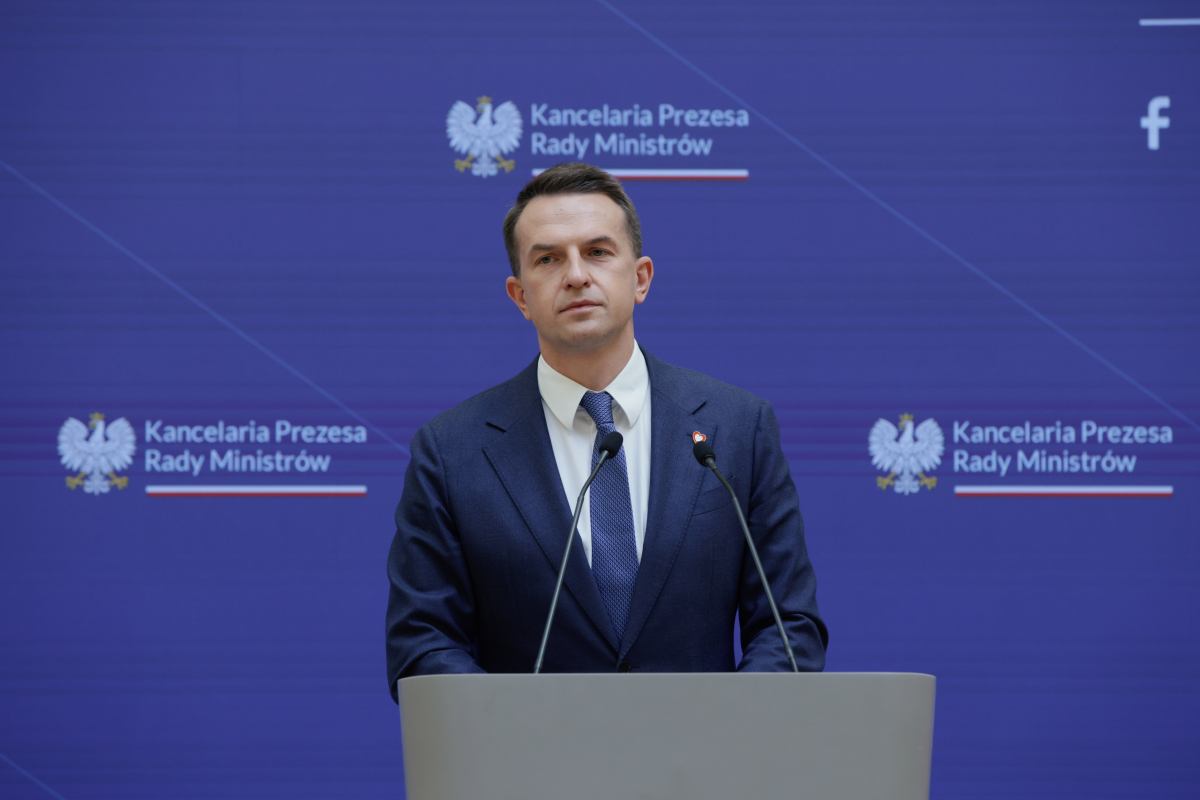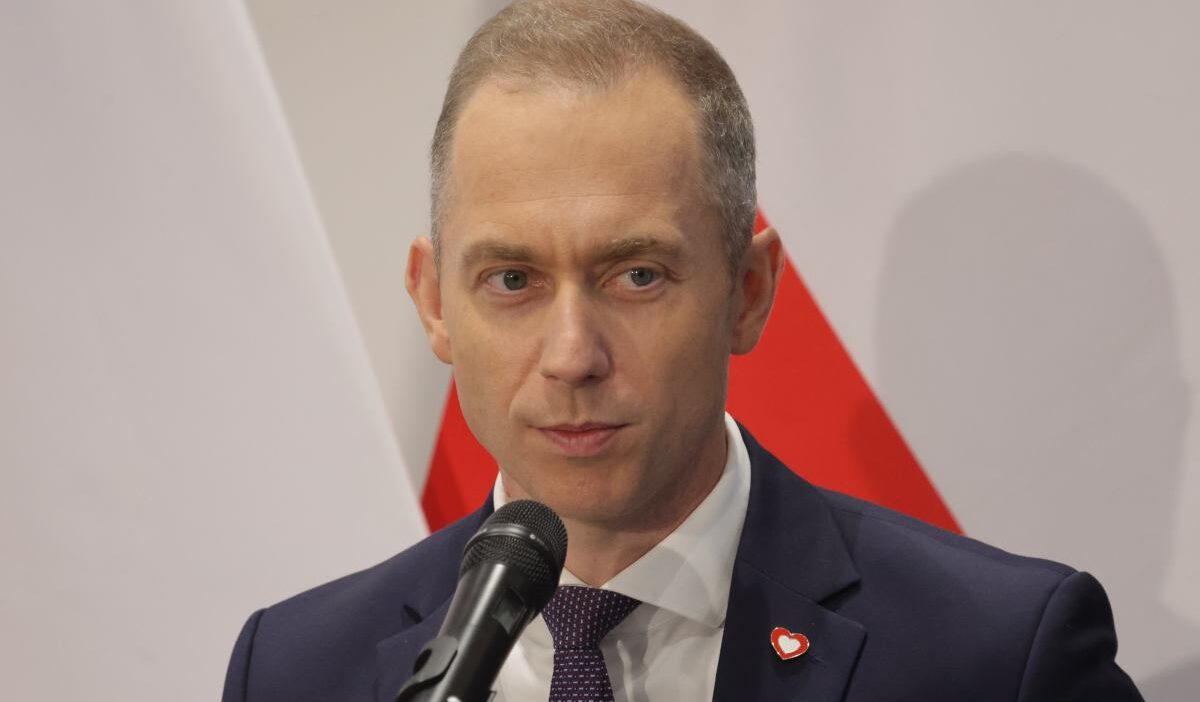
Deputy Defense Minister Cezary Tomczyk lashed out at his predecessor Mariusz Błaszczak on Monday, questioning his honesty regarding European SAFE funding and the actual terms of previous South Korean arms loans.
Tomczyk’s Allegations Against Błaszczak
During an appearance on TVN24, Deputy Defense Minister Cezary Tomczyk questioned the motives behind Mariusz Błaszczak’s criticism of the EU’s SAFE program. Tomczyk suggested that Błaszczak’s rhetoric regarding the program is dishonest, noting that Błaszczak himself had previously secured high-interest South Korean loans without informing the public or the president.
Tomczyk claimed that Błaszczak’s behavior is erratic, jokingly wondering if the former minister was “made on some license.” He challenged Błaszczak’s record, asserting that the opposition’s claims about the SAFE program—which suggest the funds favor German companies—are false.
SAFE Program and Polish Defense Contracts
By the end of May, the government finalized 62 contracts worth 120 billion PLN under the EU’s SAFE program, which supports the Polish defense industry. Defense Minister Władysław Kosiniak-Kamysz described the utilization of these 43.5 billion euro in loans as a necessary investment in the security of future generations.
The ministry emphasized that these contracts cover armored vehicles, artillery, and IT equipment. Kosiniak-Kamysz argued that failing to utilize these funds would be a betrayal of Poland’s long-term safety, noting that the domestic industry is committed to fulfilling these orders by 2030.
Military Leadership on Strategic Gaps
General Wiesław Kukuła, Chief of the General Staff, stated that the program is vital for addressing capability gaps that have developed over the last 30 years, exacerbated by equipment donations to Ukraine. The 2030 deadline is considered essential for national readiness.
Operational Commander General Maciej Klisz added that the SAFE program serves as a critical investment in deterrence and international credibility. Under current regulations, initial single-procurement contracts had to be signed by May 30, with future acquisitions requiring cooperation with other international partners.