France and the UK are convening a meeting of approximately 40 countries on Friday to discuss a potential multinational military mission in the Strait of Hormuz.
International Conference Scheduled on Hormuz Security
An international video conference will be held on Friday, April 17th, chaired by French President Emmanuel Macron and British Prime Minister Keir Starmer. Representatives from around 40 countries will participate, including German Chancellor Friedrich Merz, Italian Prime Minister Giorgia Meloni, and European Commission President Ursula von der Leyen.
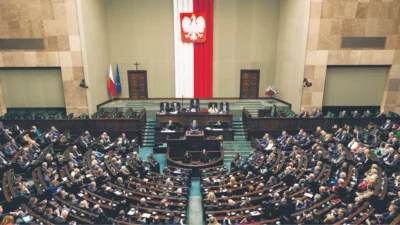
China has been invited to the conference, though its attendance remains uncertain. Poland will be represented by Deputy Prime Minister and Minister of Foreign Affairs Radosław Sikorski.
Concerns Over Escalation and Conditions for Intervention
Several countries, including France and the UK, believe that action in the Strait of Hormuz at this time would be equivalent to entering the war. However, they have expressed readiness to help ensure freedom of navigation once a durable ceasefire or end to the conflict is achieved.
Mission Details Remain Undefined
Participants will discuss preparations for the potential deployment of a “strictly defensive multinational military mission” in the Strait of Hormuz. No specific commitments regarding national contributions are expected to be finalized during Friday’s discussions.
Diplomatic Support and Maritime Security
Conference attendees will reaffirm their full diplomatic support for unrestricted freedom of navigation through the Strait of Hormuz and the importance of respecting international law. The meeting will also address economic challenges facing the shipping industry and the security of sailors and merchant vessels.
Coalition Formed Without US Involvement
The initiative for a multilateral mission currently excludes the United States and Iran, based on the belief that US involvement would automatically lead to Iran rejecting potential conditions for reopening the Strait of Hormuz.
Coordination with US Remains Crucial
European diplomats have emphasized that any realistic mission will ultimately need to be coordinated with both sides. Therefore, US authorities will be informed of the outcome of the discussions.
US-Iran Negotiations Underway
The US has announced a two-week pause in the war it has been waging with Israel against Iran since February 28th. According to the Wall Street Journal, representatives from Tehran and Washington have agreed to another round of talks to end the conflict, though the date and location have not yet been determined. White House spokesperson Karoline Leavitt stated that Pakistan is a likely location for the next round of negotiations.
Strait of Hormuz Blockade and Global Fuel Prices
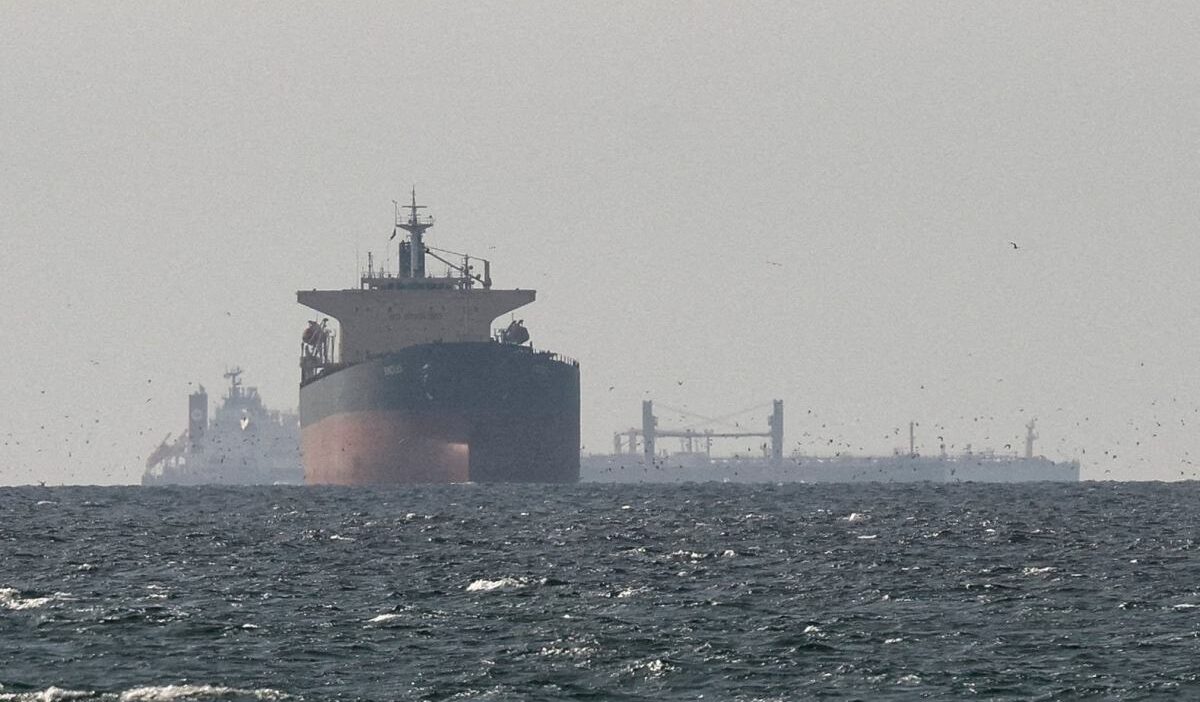
In response to airstrikes by Israel and the US, Iran is blocking the Strait of Hormuz, through which approximately 20% of the world’s oil supply normally passes. This blockade has led to a sharp increase in fuel prices worldwide, particularly in Asian countries heavily reliant on oil from the Persian Gulf. Tanker traffic in the Strait is estimated to have decreased by 70 to 80 percent.
European Perspectives on US Relations
An analysis by Maciej Czarnecki on Wyborcza.pl highlights a shift in European relations with the US, with some leaders becoming critical of Washington, such as Italian Prime Minister Georgia Meloni.