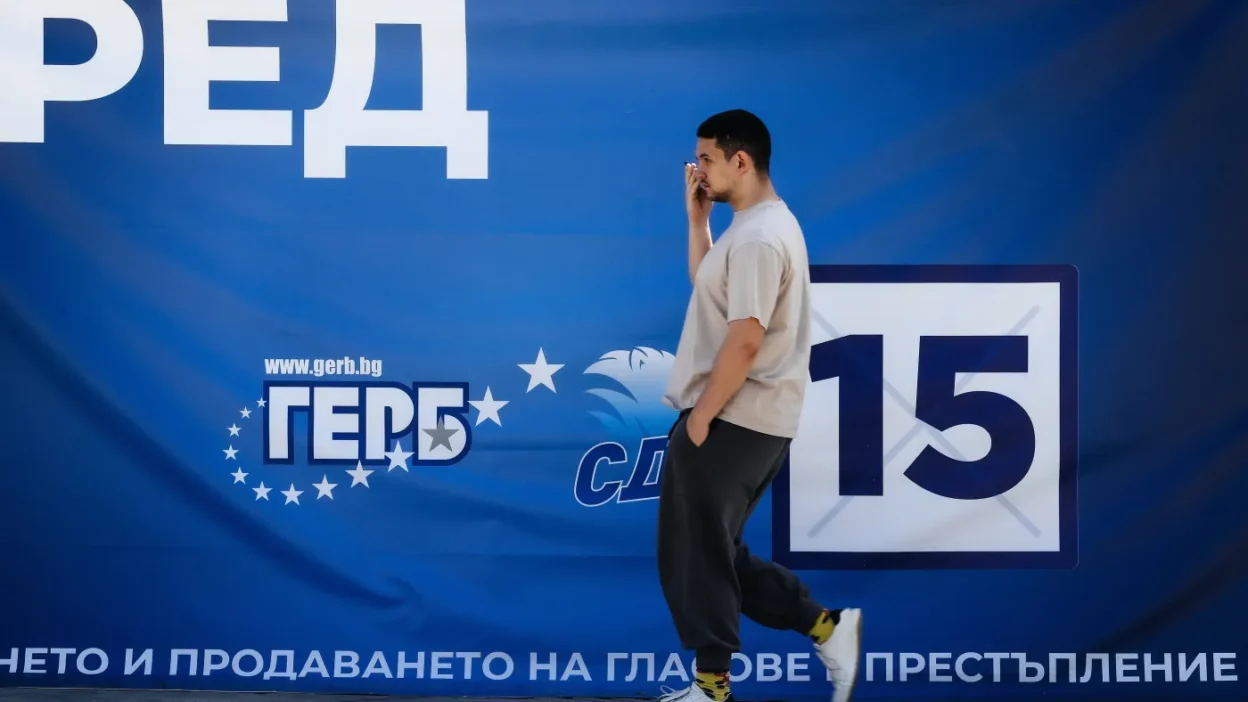
Bulgarians are voting in their eighth parliamentary election since 2021, as the country grapples with deep institutional and political instability.
Bulgaria’s Recurring Elections and Political Instability
Bulgaria is once again choosing its parliament, with Sunday’s vote potentially determining the country’s political direction for years to come. This marks the eighth election in just five years – a symbol of a deep institutional and political crisis that has prevented stable governance in Sofia since 2021.
Polling stations opened at 7:00 AM local time and will close at 7:00 PM, as scheduled. Today, the 6.5 million citizens of the country are heading to the polls, weary of repeated snap elections and the lack of a lasting parliamentary majority. This is the eighth attempt to form a stable government since 2021 – none of the previous political configurations have lasted more than a few months.
Coalition Conflicts and Corruption Protests
Subsequent cabinets have fallen due to coalition conflicts, social pressure, or behind-the-scenes political bargaining. Bulgaria has become one of the most politically unstable countries in the European Union, and repeated elections have failed to provide a resolution.
Mass social protests that erupted in December of last year directly triggered the current vote. Hundreds of thousands of people – particularly young people – took to the streets of major cities, demanding judicial reform and effective anti-corruption measures.
Demonstrators emphasized that the problem of corruption is systemic and affects both public administration and political elites. Key demands included the independence of the prosecutor’s office and increased transparency in the operation of state institutions.
Rumen Radew and the Progressive Bulgaria Movement
Former Bulgarian President Rumen Radew has become a central figure. The former Air Force General took the unprecedented step of resigning from his position as head of state in January to lead a new political project and run for prime minister.
Radew leads the Progressive Bulgaria formation, which in pre-election polls could count on around 35 percent support. His campaign was based on slogans of fighting corruption and breaking with the existing “oligarchic model of governance.”
“We must rebuild a state that works in the interest of citizens, not narrow groups of influence,” he declared during the campaign.
Foreign Policy and Relations with Russia
One of the most controversial elements of Radew’s political shift is his approach to foreign policy. The former president advocates for improving relations with Russia and is skeptical of further military support for Ukraine.
He criticized decisions to transfer military equipment to Kyiv, arguing that Bulgaria should focus on its own security and economic stability. This position is causing divisions both in society and among politicians.
In the context of the war in Ukraine, Bulgaria is under strong international pressure – as a member of the European Union and NATO, it must balance alliance commitments with domestic social sentiments, which are not unambiguous.
Political Fragmentation and Democratic Concerns
Since 2021, the Bulgarian political scene has remained extremely fragmented. Several groups regularly enter parliament, but are unable to form a lasting coalition. Governments are formed on fragile agreements and quickly lose their majority.
Experts point out that the cause of the crisis is both a lack of trust in traditional parties and the growing popularity of new political movements that lack governing experience. As a result, successive parliaments are unstable, and the legislative process is paralyzed.
Repeated elections deepen social fatigue and lower turnout. Increasingly, citizens are losing faith in the possibility of real change through democratic procedures.
A Test for Democracy
This election is significant not only for Bulgaria itself but also for the entire European Union. The country remains one of the poorest members of the community, and its political instability affects its ability to implement reforms and benefit from EU funds.
The election result will show whether it is possible to elect a government capable of surviving a full term. If a political impasse occurs again, Bulgaria may face the need to organize another election – the ninth in a few years. This situation raises concerns about the sustainability of democratic institutions and the growing importance of populist and anti-system narratives.