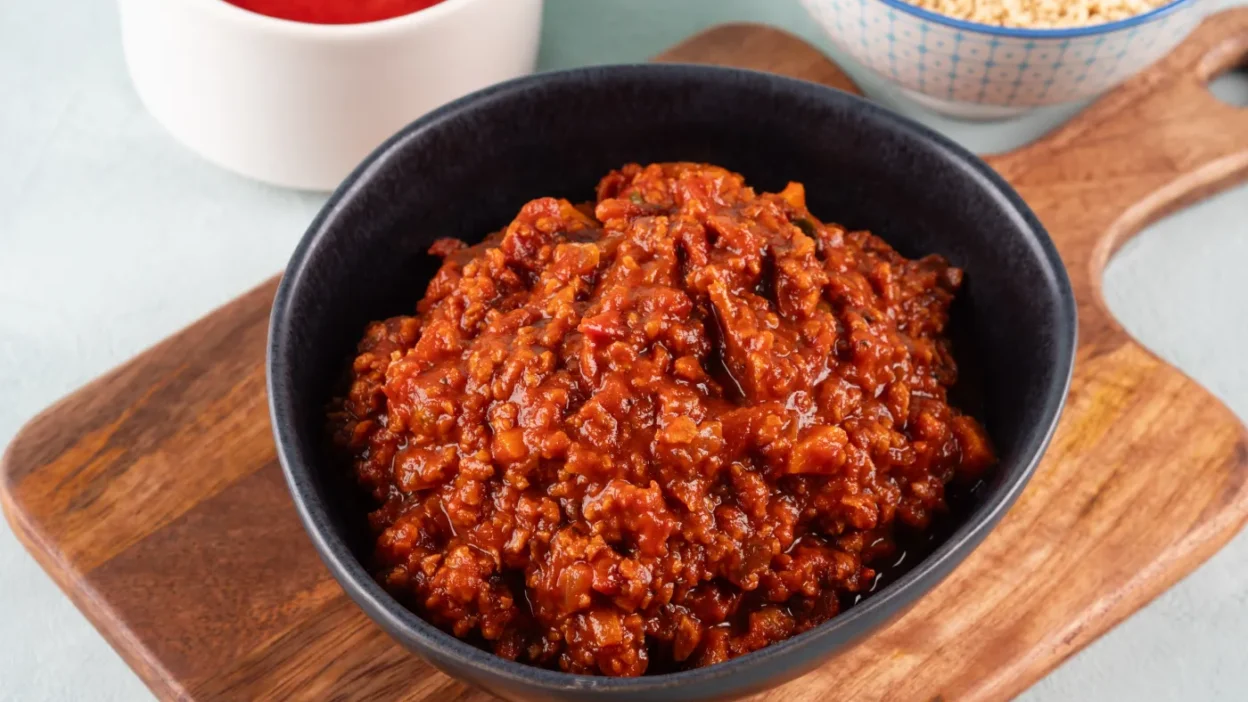
The European Union is poised to reserve terms like “steak” and “bacon” for products containing actual meat, a move welcomed by the meat industry but criticized by consumer groups.
EU Nears Agreement on Meat Terminology
The EU is finalizing regulations that will prohibit the use of “meat” to describe products not derived from slaughtered animals. On March 5th, EU lawmakers agreed on a list of meat-related terms subject to the ban, including beef, pork, poultry, lamb, and specific cuts like steak, bacon, and ribs.
The agreement requires confirmation from the European Parliament and EU member states within the Council of the EU.
Protecting Farmers and Food Heritage
French MEP Celine Imart, a proponent of the change, argued the ban will protect farmers and the agricultural and food heritage, specifically regarding lab-grown meat.
‘Cultured Meat’ Remains Unapproved
The ban will have limited impact on “lab-grown” or “cultured meat” as it remains unapproved for sale within the EU. However, the restrictions will affect the growing plant-based industry, which has used terms like “steak” and “cutlet” for vegan and vegetarian alternatives.
Meat Industry Sees Threat and Opportunity
Jerzy Wierzbicki, President of the Polish Association of Beef and Veal Producers, views plant-based alternatives as a threat to farmers whose livelihoods depend on animal husbandry. He argues that a sudden shift away from meat would undermine the economic foundations of rural areas.
The meat industry also sees the development of plant-based products as a shortcut to environmental responsibility.
Sustainable Agriculture and Biodiversity
Wierzbicki emphasized the importance of animal production as an integral part of sustainable agriculture, providing natural fertilizer. He believes that replacing animal agriculture with monocultures for highly processed substitutes negatively impacts biodiversity and soil fertility, and protecting naming conventions protects traditional farming models.
Consumer Groups Criticize Restrictions
Irina Popescu of the European consumer organization BEUC stated that research indicates consumers do not have difficulty distinguishing between meat products and plant-based alternatives. She argues that using “meat” terms for plant-based products facilitated consumer access to healthier alternatives.
Popescu fears the ban could hinder consumer access to these products and create additional restrictions for producers.
Inconsistencies in the Proposed List
Popescu also pointed out inconsistencies in the EU’s list of restricted terms, noting that “cutlet” is not included while “steak” is, and “burger” is absent. This means vegan nuggets will still be permissible, but plant-based bacon will not.
Promoting Healthier and Sustainable Choices
Popescu concluded that to achieve its health, sustainability, and climate goals, Europe must ensure consumers have access to healthier alternatives, which requires greater visibility on supermarket shelves and in dining halls. She believes the current EU policy promotes unhealthy and unsustainable food choices.