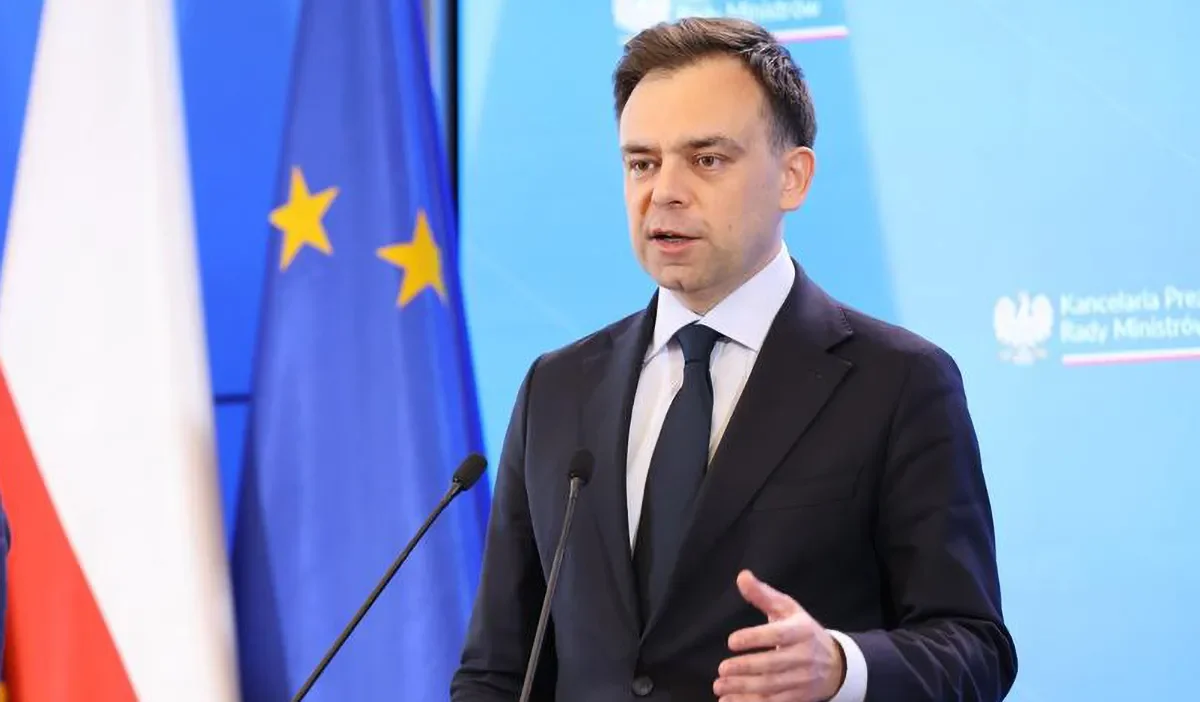
Poland’s Finance Minister Andrzej Domański indicates the “Lower Fuel Prices” package will likely be extended beyond May 31, citing ongoing geopolitical volatility in the Middle East and global market instability.
Potential extension of the relief package
The government is poised to extend the “Lower Fuel Prices” package, which has capped retail fuel costs since late March. Minister of Finance and Economy Andrzej Domański stated that current market analysis necessitates maintaining this protective mechanism for drivers following recent fluctuations in global commodity prices.
Domański noted that while Brent crude oil prices have shown a slight decline, the situation remains too unstable to abandon protective measures. If approved, the program would be extended in two-week increments, allowing the government to remain flexible in responding to global energy trends.
The program carries a significant fiscal burden, costing taxpayers approximately 1.6 billion PLN per month. Consequently, every decision to continue the mechanism requires balancing consumer protection with strict budgetary constraints.
Mechanics of retail price caps
Implemented on March 31, the package mandates maximum retail fuel prices across Poland, calculated based on domestic wholesale averages. These calculations incorporate mandatory fiscal components, including excise duty, fuel fees, VAT, and a legally defined profit margin.
The Ministry of Energy publishes daily notices regarding maximum prices, which take effect the following business day. Selling fuel above these statutory limits carries severe penalties, including fines of up to 1 million PLN, with enforcement handled by the National Revenue Administration.
Tax reductions and market volatility
Alongside price caps, the government has maintained lower tax burdens to mitigate fueling costs through May 31. This includes a reduced VAT rate of 8 percent, down from 23 percent, and lower excise duties of 29 groszy per liter for gasoline and 28 groszy for diesel, representing the legal minimum under EU regulations.
The initial impetus for these measures was a sharp spike in oil prices following regional conflicts on February 28. Although prices have partially corrected, analysts warn that the market remains highly sensitive to geopolitical developments, which could reignite upward pressure on fuel prices at Polish stations.