Iran’s military declared a return to pre-blockade conditions for the Strait of Hormuz, contingent on the U.S. lifting its naval blockade of Iranian waters, amid ongoing ceasefire talks.
Iran Demands End to U.S. Blockade
Iranian authorities warned they would continue to block transit through the Strait of Hormuz until the U.S. lifts its naval blockade of Iran’s coastline. The Iranian army stated that, following prior agreements, Iran had agreed to allow a limited number of tankers and commercial vessels controlled passage through the Strait.
However, the army accused the U.S. of “notoriously breaking promises” and engaging in “banditry and piracy” under the guise of the blockade.
Temporary Opening During Ceasefire
Iran announced on Friday the opening of the Strait of Hormuz to all commercial vessels for the duration of the ceasefire with the U.S. and Israel, lasting until Tuesday evening (April 21st). U.S. President Donald Trump confirmed the opening but also announced the continuation of the blockade of Iranian ports until a final agreement is reached.
Threat of Reclosure by Iranian Parliament
Mohammad Bager Ghalibaf, Chairman of the Iranian Parliament, threatened that Tehran would reclose the Strait if the blockade continues. He stated on social media that transit through the Strait would be subject to Iranian approval and follow a “designated route” if the blockade persists.
Tanker Traffic Resumes
Despite the announcement of the opening, Kpler estimated on Friday that the Strait remained “virtually closed,” with most shipowners hesitant to transit due to potential mines. The Wall Street Journal reported that Iran informed mediators it would continue to limit the number of ships and charge transit fees during the ceasefire.
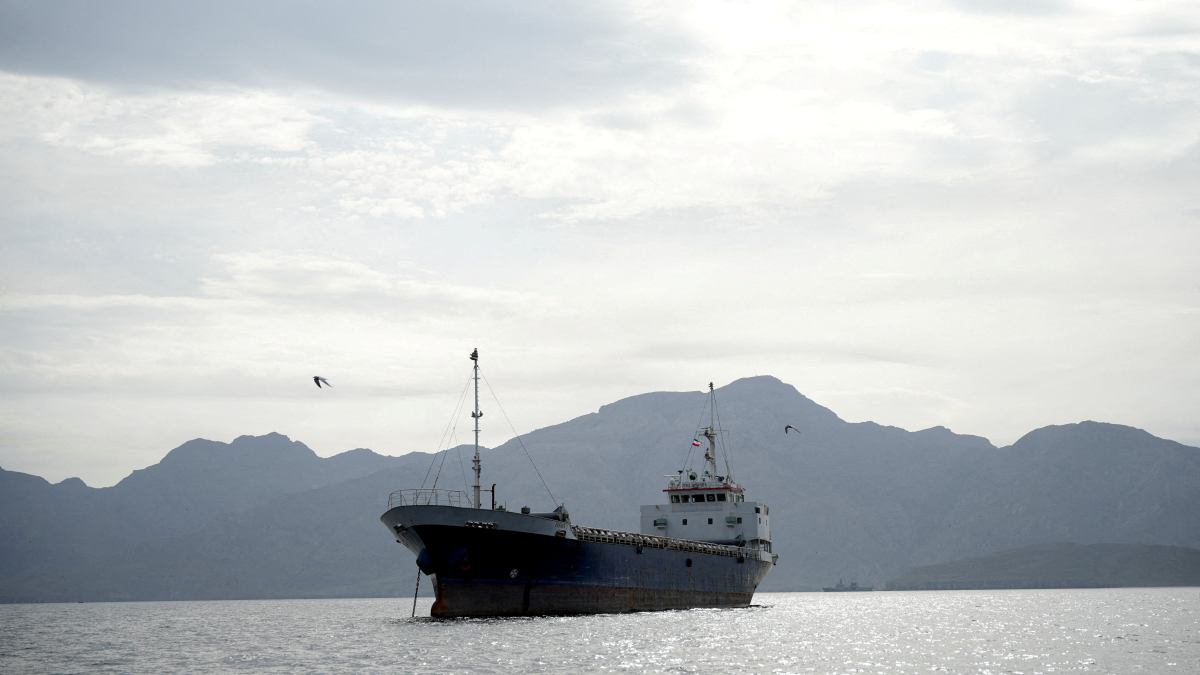
However, Reuters reported Saturday morning that a convoy of several tankers had passed through the Strait of Hormuz south of Larak Island, off the Iranian coast. The convoy consisted of four liquefied gas carriers and several transporting oil products and chemicals, with additional tankers moving towards the Strait.
Trump Signals Optimism, But Warns of Renewed Action
Donald Trump stated, “We have good news from Iran,” suggesting positive results from talks. However, he also warned that if no agreement is reached by Wednesday, bombing of the country could resume.
Strait of Hormuz: A Critical Energy Chokepoint
The Strait of Hormuz is a vital sea lane for exporting resources from the Persian Gulf region. Normally, it handles 20% of the world’s oil and liquefied natural gas (LNG). Disruption of traffic through the Strait caused increases in gas and oil prices, with Brent crude rising from around $70 before the conflict to nearly $120 in March, and settling near $100 on Friday before falling below $90 after Iran’s announcement.
Ceasefire and Ongoing Negotiations
A ceasefire has been in effect since April 8th, currently scheduled to last until April 22nd. Trump indicated he expects good results from talks with Iran, but also threatened to deprive Iran of its enriched uranium “in a much more unfriendly manner” if they refuse to surrender it.