Israel has revoked the registration of Médecins Sans Frontières and other humanitarian organizations, ordering them to cease operations in Gaza by March 1, 2026.
Administrative Hurdles for Aid Organizations
Israel has officially notified Médecins Sans Frontières (MSF) that their current registration has been revoked, ordering them to cease operations in Gaza and the West Bank by March 1, 2026. MSF’s new registration application remains “under consideration” and is deemed incomplete. Since the beginning, the status of MSF and other organizations has been “suspended”; if not registered within 60 days, they will completely lose the ability to operate locally.
“The consequences are already being felt – in recent days, all MSF shipments, including medicines and other essential items, have been halted, as has the possibility for new MSF personnel to reach Gaza,” the organization reports.
International Criticism
Israel’s actions have been criticized in a joint statement by foreign ministers of the United Kingdom, France, Canada, Denmark, Finland, Iceland, Japan, Norway, Sweden, and Switzerland, as reported by BBC. They wrote that attempts to restrict the activities of humanitarian organizations are “unacceptable.” Israeli authorities claim that organizations facing a ban on activities in Gaza were not delivering significant amounts of aid there. However, Israel controls what and how much can be delivered, and some organizations focus on activities other than direct food and medicine deliveries – for example, MSF funds the work of doctors and healthcare facilities.
Employee Data Concerns
Israel demands the provision of “full data” on local employees of international organizations. Employing local people – from doctors and coordinators to drivers – is standard practice for humanitarian organizations.
However, MSF and others have long reported serious concerns about the requirement to disclose personal data of Palestinian employees to Israeli authorities. Since October 2023, Israeli forces in Gaza have already killed 15 MSF employees.
“In any situation, especially one where medical and humanitarian workers are being intimidated, arbitrarily detained, attacked and killed, demanding a list of employees as a condition for access to territory is a troubling abuse,” says Draginja Nadaždin, MSF director in Poland. According to the organization, Israel is using administrative and bureaucratic obstacles to restrict Palestinians’ access to medical care.
New Registration Requirements
In addition to not disclosing employee data, organizations may lose permission to operate if they violate new guidelines introduced by Israel. An application may be rejected if authorities determine that an organization “promotes delegitimization campaigns” against Israel, calls for a boycott of the country, or supports the prosecution of Israeli security forces before foreign or international courts.
Winter Conditions in Gaza
The ceasefire in Gaza since October does not mean Israeli shelling and bombings have stopped, although their intensity is much lower than during the conflict.
According to Gaza’s Ministry of Health, from October 10 to the end of December, 414 Palestinians were killed and 1,145 were injured.
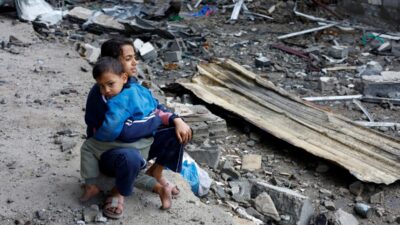
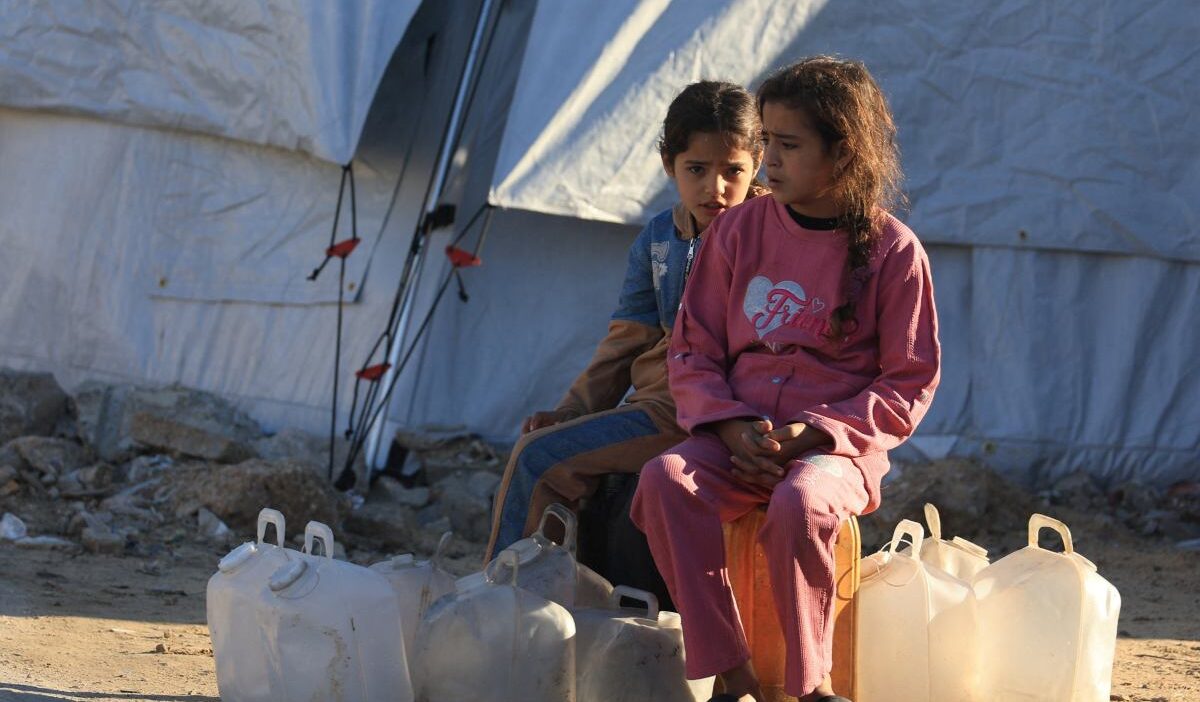
The nearly two-million population of Gaza now lives behind the so-called yellow line, manned by the Israeli military. Crossing or even approaching it is forbidden. Displaced residents during the two-year conflict largely live in destroyed buildings and makeshift tents. They face not only lack of food, running water, and hygiene possibilities but also difficult winter conditions.
“Residents are currently dealing with winter, low temperatures, heavy rains and strong winds destroying tents and flooding campsites,” MSF reports. The organization’s teams “are treating respiratory infections, wound complications, skin diseases and severe colds in infants associated with these difficult conditions.”
In December, the UN stated that the nutritional situation and food deliveries to Gaza have improved since the ceasefire, but 100,000 people remain in a “catastrophic” nutritional situation.