Leaked EU documents express constitutional concerns about Trump’s Peace Council, prompting alarm in Brussels.
EU Documents Express Concerns Over Peace Council Constitutionality
Journalists from Reuters have obtained a confidential analysis from the European External Action Service (EEAS) dated January 19. The EEAS is the EU body responsible for foreign policy. The analysis focused on the Peace Council established by Donald Trump, which was initially intended to address the Gaza Strip and whose creation was approved by a November UN Security Council resolution. However, the US president later did not rule out expanding its activities to other conflicts.
The analysis noted that the Peace Council’s statute “raises concerns in the context of EU constitutional principles,” and that “the autonomy of the EU legal order also argues against the concentration of power in the hands of the chairman.” EU experts also point out that the new Peace Council “significantly deviates” from the resolution approved by the UN Security Council.
Trump Claims Peace Council Will Have Broad Authority
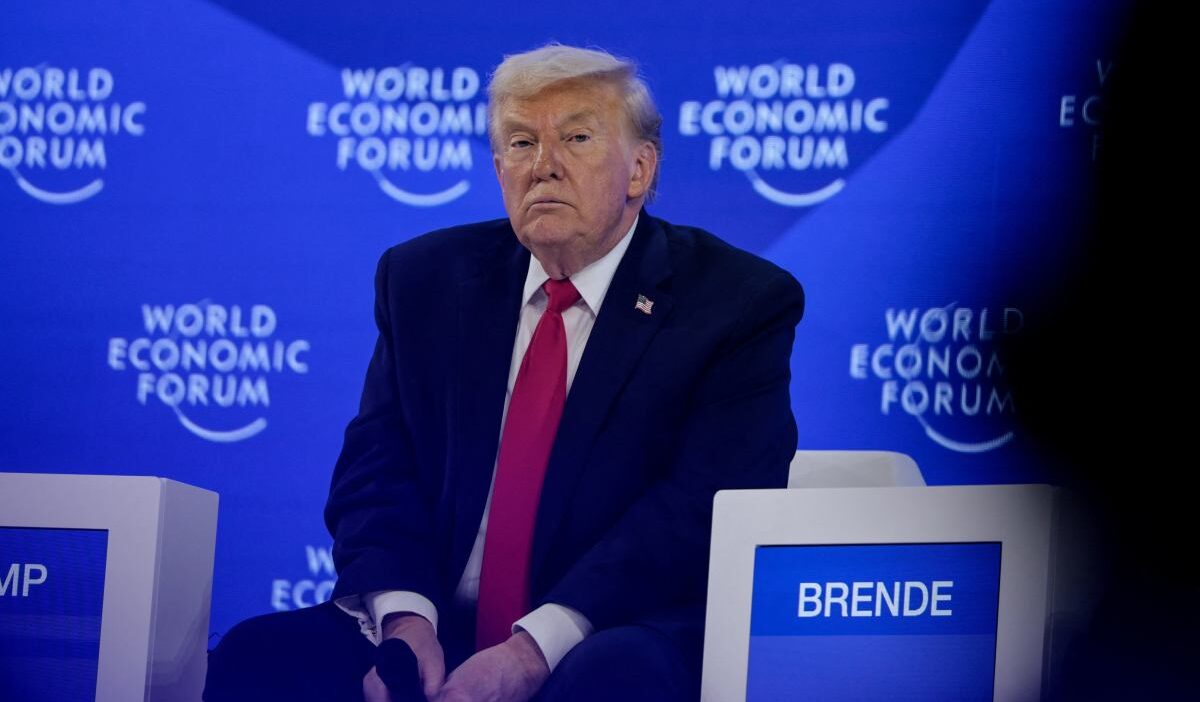
On Thursday (January 22), at the World Economic Forum in Davos, Donald Trump officially launched the Peace Council he had created. “Everyone wants to be a part of this, and when this Council is fully formed, we will be able to do practically whatever we want,” said the US president. He added that the Peace Council would cooperate with “many other organizations, including the United Nations.” Trump is to become its lifetime president. Member states will be elected for three-year terms, and those wishing to may pay one billion dollars in cash for permanent membership. Trump invited about 60 countries, but only 20 sent representatives to the inauguration in Davos.
Trump Criticizes NATO, Tusk Responds
Relations between the US and EU are increasingly strained. This stems in part from threats by Donald Trump’s administration to impose tariffs, as well as American demands regarding Greenland. In his latest interview with Fox News, Trump attacked NATO allies. He stated that he was “not sure” whether the North Atlantic Alliance would meet the “ultimate test” of defending the United States if they were in danger. “We never needed them. They will say they sent troops to Afghanistan and indeed they did, but they stayed somewhat behind, away from the front lines,” he said and added that the US was “very good for Europe and many other countries.”
Donald Tusk responded to Donald Trump’s words. “American leadership in the transatlantic community was based on mutual trust, shared values and interests, not on domination and coercion. That is why it was accepted by all of us. Let’s not lose it, dear friends. For me, this is the main message from yesterday’s EU meeting,” he wrote on social media.