April PMI data indicates the Eurozone economy entered recession due to the Middle East conflict, with energy prices and supply risks fueling the downturn.
Services Drag Down Eurozone Economy
The Eurozone is grappling with deepening economic problems caused by the war in the Middle East, leading to a recession in April and a sharp rise in inflation. Increasing supply shortages threaten to further weaken economic growth while simultaneously increasing price pressures in the coming weeks.
April’s PMI reading aligns with a 0.1% quarterly decline in Eurozone GDP.
PMI Reaches Lowest Level Since November 2024
The latest PMI readings suggest the Eurozone economy entered recession in April. The downturn is most pronounced in the services sector, driven by the effects of the Middle East war: rising energy costs, increasing expenses, and supply risks.
The index measuring business activity in industry and services fell to 48.6 points, the lowest level since November 2024.
Germany and France Below Equilibrium
PMI indicators for both France and Germany, the two largest economies in the Eurozone and EU, fell below the equilibrium level of 50 points. PMI is calculated based on surveys completed by managers of private companies, who answer questions related to production levels, employment, prices, and orders within their firms.
Energy Costs Hit Service Sector Hard
The service sector, which accounts for 75-80% of GDP in developed countries, is particularly affected by the sharp increase in fuel prices. The PMI for the Eurozone’s service sector fell to 47.4 points, the lowest value in 52 months.
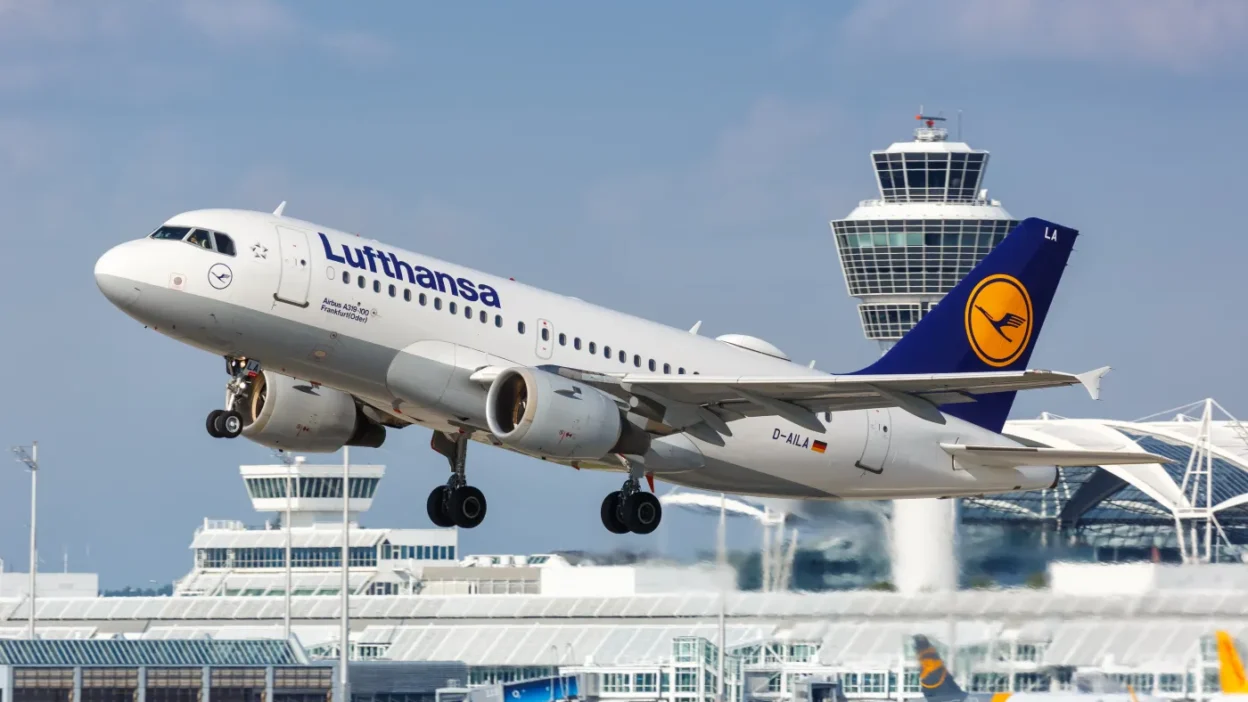
Lufthansa, one of the largest airlines in the EU, announced this week the cancellation of 20,000 summer flights due to the unprofitability of short-distance routes caused by rising fuel prices. The International Energy Agency warned that Europe could face a shortage of aviation fuel as early as June if shipping through the Strait of Hormuz is not restored.
Manufacturing Activity Boosted by Inventory Building
Surprisingly, the PMI survey showed an increase in activity in the EU’s manufacturing sector in April, driven by the fastest growth in new orders for the manufacturing sector in four years.
Economists at ING believe that manufacturing activity is currently supported by inventory building, as companies seek to secure key production factors amid fears of potential shortages. Simultaneously, delivery delays have risen to their highest level since the pandemic, suggesting growing supply chain problems resulting from the blockage of the Strait of Hormuz.
Cost Inflation Accelerates, ECB Rate Hike Unlikely
Both service and industrial companies signaled significant increases in production costs. Businesses are attempting to pass these costs on to the prices of their products and services.
Costs and selling prices have already risen, not only in response to higher energy costs but also reflecting a broader increase in raw material prices and a mismatch between supply and demand. Excluding the Covid-19 pandemic period, this represents the fastest increase in cost pressures since 2000.
Economists at ING believe it is unlikely that the European Central Bank will raise interest rates at its scheduled meeting next week. However, the ECB may raise the cost of money in the second half of the year to prevent rising inflation expectations caused by ongoing price increases, which would create further problems for the Eurozone economy, whose prospects have deteriorated due to the war in the Middle East.