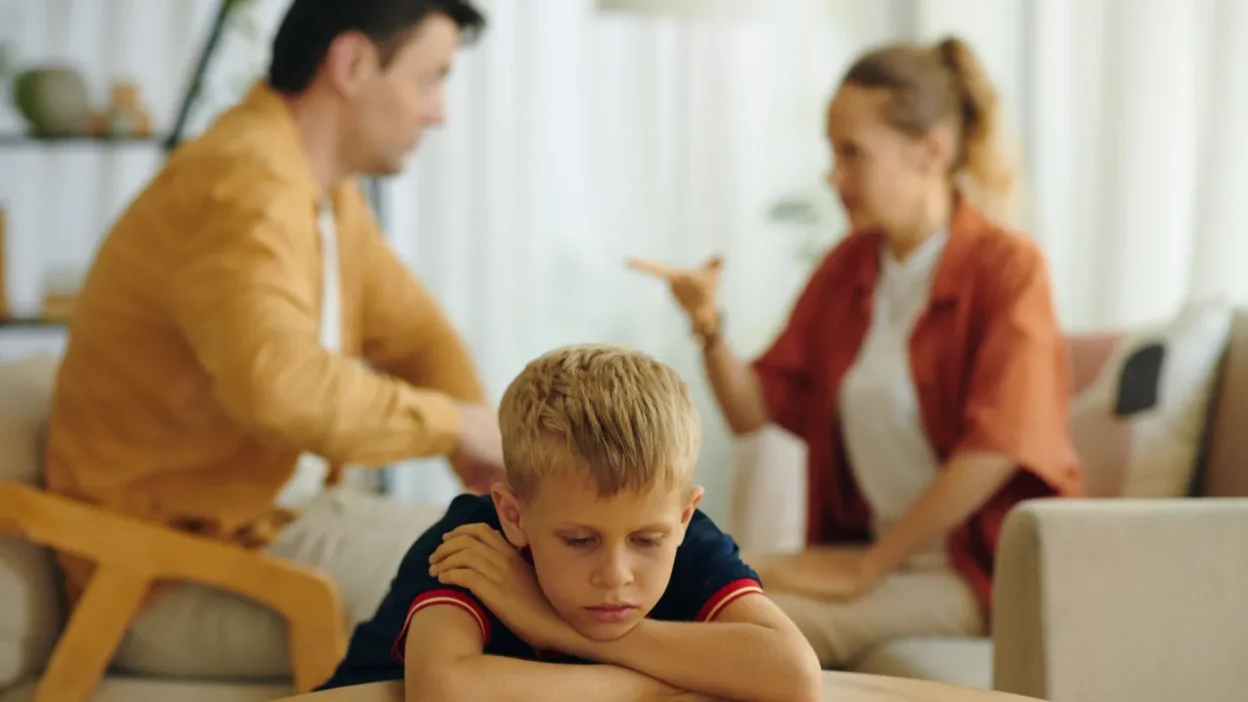
A Polish legal expert discusses myths surrounding parental alienation, noting it can stem from protecting a child from an abusive parent.
Myths Surrounding Parental Alienation
Dr. Sylwia Różycka-Jaroś from the Institute of Social Prophylaxis and Resocialization at the University of Warsaw stated that numerous myths surround parental alienation.
Often presented as a form of emotional abuse towards the other parent, it can also result from an attempt to protect the child, she added.
April 25th: Parental Alienation Awareness Day
Parental alienation is defined as the conscious or unconscious actions of one parent that lead to the child’s isolation and dislike of the other parent – the alienated parent.
This term most often appears in the context of conflicts accompanying divorce and separation.
Isolation as a Defense Mechanism
Legal counsel Dr. Różycka-Jaroś, specializing in child protection from a family and criminal law perspective, emphasized to PAP that many myths surround parental alienation.
While often presented as emotional abuse towards the other parent or the child, it can also stem from an attempt to protect the child from contact with an abusive parent who has harmed them and is feared.
Protecting Children from Abusive Parents
It happens that a primary parent protects the child’s well-being by not allowing contact with an abusive parent.
Family courts – if there is no final judgment in a criminal case – rarely accept that there is grounds to limit or prohibit a parent’s meetings with the child, even if the parent has harmed the child and contact with them may be stressful or threatening to the child’s well-being.
The Problem of “Self-Alienation” and Hindering Contact
She acknowledged that situations also occur where contact with the child is hindered.
The scale of the problem is difficult to estimate, but she believes such situations do not prevail, even if parents are very conflicted.
Increased Awareness of Parental Roles
In recent decades, awareness of the role both parents play in the upbringing process has increased.
Consequently, many primary parents strive to ensure the child has as much contact as possible with the other parent.
“Self-Alienation” Observed
The expert pointed to “self-alienation” that she has observed.
It happens that a parent, seeing no need for frequent contact with the child, independently decides to realize this contact sporadically, failing the child who expects joint meetings.
How Courts Enforce Meetings with Children?
In such a situation, contact with the child can be attempted through the courts – as in the case when it is prevented by the other parent.
This requires submitting an appropriate application to the court – to threaten ordering a specific amount to be paid for failing to fulfill obligations arising from a decision regarding contact with the child.
If this does not discipline the parent, the parent bears financial consequences.
Financial Consequences and Parental Non-Compliance
However, she admitted that this does not work on all parents.
There are those who have significant financial obligations, yet continue not to allow children to have contact or do not fulfill those contacts.
It should also be noted that increasingly, failure to fulfill obligations arising from a decision regarding contact with the child is treated by family courts as a dereliction of proper exercise of parental authority.
Court Intervention in Parental Authority
She explained that in relation to a person who unjustifiably prevents the other parent from contacting their own child, the court may issue a decision interfering with their parental authority, including even deciding to limit it.
Education Over Criminal Penalties
Różycka-Jaroś negatively assessed the idea of punishing for restricting or preventing contact under the Penal Code, which the Ministry of Justice had been working on.
This is too far-reaching an intervention.
The role of the Penal Code is not to discipline parents. Instead of such regulations, it is better to strengthen the civil procedure and enforce contacts through it. We should also educate parents and make them aware of the proper exercise of parental authority.
Growing Popularity of Shared Custody
So-called shared custody is becoming an increasingly common form, where parents share care in comparable (though not necessarily equal) periods.
According to data from the Ministry of Justice, a ruling on joint custody was issued in 76.1% of cases in 2023. For comparison, in 2016 – in 52.2% (in 44.3% exclusive custody was granted to the mother).
Societal Changes and Parental Involvement
Sharing parental responsibilities – even after divorce – is the result of social changes, including greater involvement of fathers in upbringing and increased professional activity of mothers.
Lack of Legal Definition of Shared Custody
Currently, shared custody is not defined in the Family and Guardianship Code, and guidelines for its application come from literature, not the content of regulations.
The Ministry of Justice published a draft regulations to introduce it in March of this year.
According to the lawyer, regardless of the form of exercise of parental authority – whether in the form of alternating custody or entrusting daily care to one parent and establishing contact with the other – the well-being of the child is most important.
Shared Custody and Conflict Resolution
According to the intention of the Ministry of Justice, establishing shared custody would disqualify open conflict between parents.
According to MS data, of the nearly 60,000 divorce lawsuits filed annually with the courts, approximately 60% concern marriages with children.