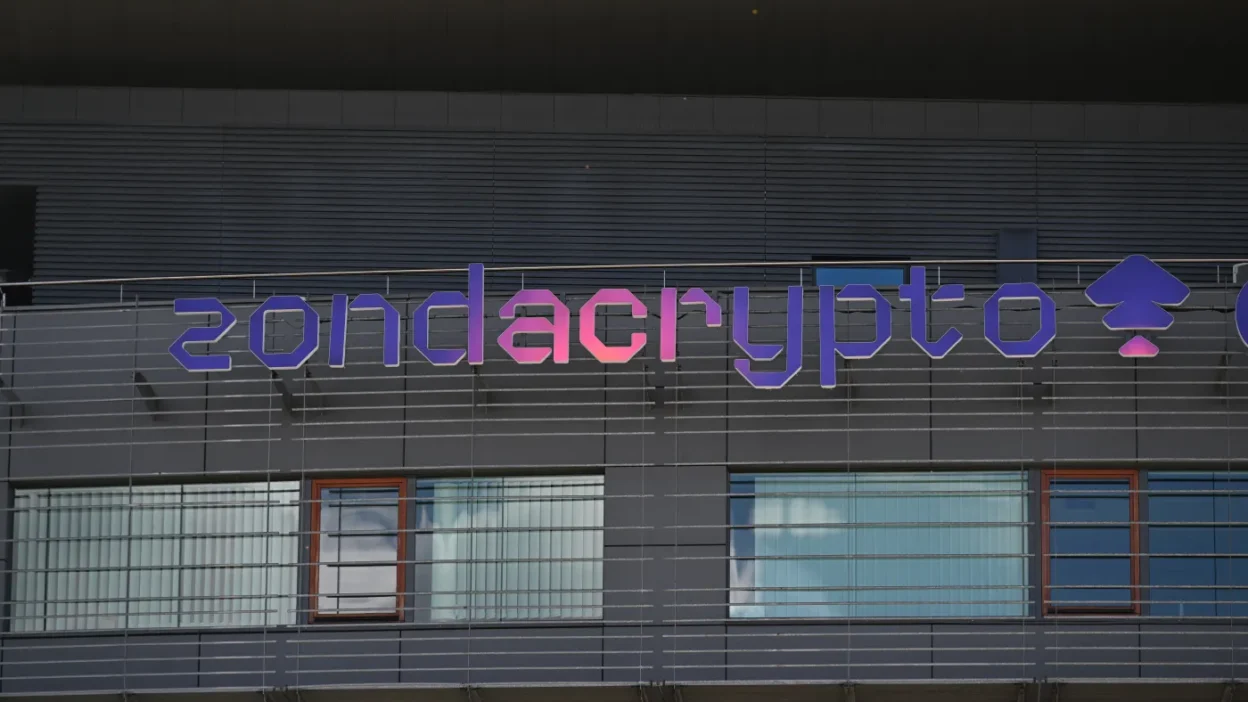
Thousands of Polish investors are stranded as the Zondacrypto cryptocurrency exchange fails, with limited prospects for swift official assistance.
Zondacrypto Collapse: Investors Left to Act Alone
Clients of Zondacrypto are facing a difficult recovery process after the cryptocurrency exchange collapsed, leaving thousands of Polish investors without access to their funds. The situation involves a fleeing CEO, a missing predecessor, and a stalled prosecution.
Attorney Łukasz Chacia of Karaś, Chacia i Wspólnicy discusses the challenges and steps affected investors should take.
Recurring Pattern of Crypto Scams in Poland
Martyna Mroczek-Kowalik questions how Polish investors continue to fall victim to promises of easy profits in the cryptocurrency space, citing previous failures like Amber Gold and FTX.
Attorney Chacia emphasizes that scams will persist as long as there are willing participants, but the Polish state lacks effective tools to combat them.
Limitations of Regulatory Oversight
The Polish Financial Supervision Authority (KNF) and the prosecutor’s office face limitations in addressing cryptocurrency fraud. The KNF can only issue warnings and notify prosecutors, while the latter often lacks specialized units and faces legal constraints designed for analog technologies.
Delays in assigning prosecutors to the case, due to transfers and vacations, further complicate the situation.
KNF Warning List Ineffectiveness
The KNF’s warning list has become diluted due to frequent entries, diminishing its impact. Companies often dismiss warnings as attacks on the crypto industry, leading investors to disregard them.
Presidential Veto of Crypto Assets Act
President Duda vetoed the Act on Crypto Assets in December, a move that would have had limited impact. It would have allowed the KNF to freeze accounts for 96 hours in cases of market manipulation.
However, Zondacrypto, though Polish-based, is registered in Estonia, requiring cross-border action that takes weeks, not hours.
Rationale Behind the Act and Presidential Concerns
The Act was primarily intended to implement the EU’s MiCA regulation, but the Polish version was more restrictive than required by Brussels. The President’s veto aimed to avoid overregulation.
Overregulation could drive companies to relocate, creating a gray market and reducing oversight.
Security of Client Funds at Zondacrypto
Zondacrypto claimed to hold 4,500 bitcoins as collateral, but access to the wallet is missing, rendering the security ineffective. Funds were reportedly transferred to affiliated entities in 2024 and 2025, bypassing the late-year legislation.
Steps for Affected Zondacrypto Clients
Affected clients should act quickly and not rely heavily on state assistance. They should document all transactions, submit a transfer instruction to demonstrate funds are blocked, and file a criminal complaint as victims.
Becoming a co-plaintiff in the criminal case can provide greater influence on the proceedings and potential for restitution if perpetrators are convicted.
Pursuing Legal Action in Estonia
Initiating bankruptcy proceedings in Estonia is a third avenue for recovery. Filing a claim with the liquidator is crucial, though it may be a lengthy process.
Potential Lawsuit Against the State?
Some investors consider suing the state for failing to implement EU law, but legal experts advise against it, citing the Amber Gold precedent. Courts have ruled that investing involves risk and that high-yield guarantees should raise concerns.
The case involves a high-risk cryptocurrency exchange based abroad, operating outside Polish supervision, and financial problems predating any potential regulation. Proving that the legislation would have prevented the damage will be difficult.
Realistic Prospects for Recovery
Short-term prospects for recovering funds are very low, as the CEO is in Israel, the predecessor is missing, employees are unpaid, and funds have been transferred.
Long-term scenarios include a criminal conviction with restitution, recovery of funds by a liquidator, or independent asset recovery efforts. There is also a slim possibility of accessing old wallets with technological advancements.
Lessons Learned from the Zondacrypto Affair
The key takeaway is to never store cryptocurrencies on an exchange. Exchanges are for transactions, not storage. Self-custody – using hardware or software wallets – is the only way to truly control your funds. Only transfer funds to an exchange when needed for a specific transaction.
*Łukasz Chacia – attorney, managing partner at Karaś, Chacia i Wspólnicy. Specializes in litigation, new technologies law, and blockchain sector consulting. Has advised cryptocurrency startups since 2019.
Five Steps for Affected Zondacrypto Clients:
Material protected by copyright – all rights reserved.
Further distribution of the article with the publisher’s consent INFOR PL S.A. Purchase a license.
Enter the email address of the selected person, and we will send them free access to this article
Related
Copyright © INFOR PL S.A.