




424 for Liquidation, 124 Moves Forward: The New Tram Divides Residents of Prądnik Czerwony
The upcoming launch of the Mistrzejowice tram line is reshaping local transit in Kraków, sparking debate among residents as line 424 faces elimination in favor of a revamped 124. A New Tram Brings...
The upcoming launch of the Mistrzejowice tram line is reshaping local transit in Kraków, sparking debate among residents as line 424 faces elimination in favor of a revamped 124.
Table Of Content
A New Tram Brings New Transit Rules
The opening of the KST IV Meissnera–Mistrzejowice route will alter the entire public transport layout in this part of Kraków. Buses that have long served Prądnik Czerwony, Ugorek, Wieczysta, and Mistrzejowice must now integrate with a system anchored by the new tram, with the first major change affecting routes 124 and 424.
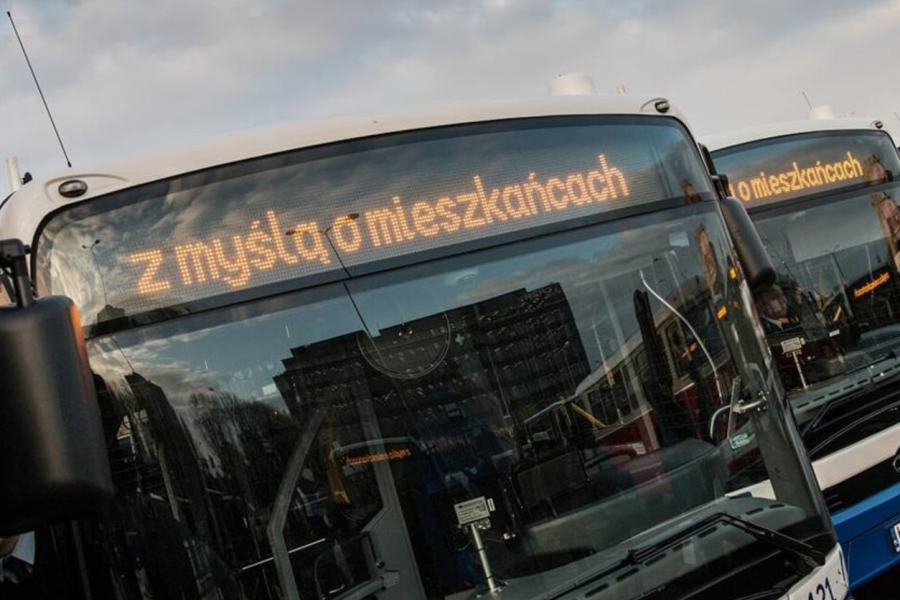
The District III Prądnik Czerwony Council adopted a resolution requesting the extension of line 124 and the elimination of line 424 upon the completion of the KST IV project, proposing Rondo Dywizjonu 308 as the new terminus. The city has since announced plans to merge the routes into a more frequent line 124, running every 15 minutes during peak hours in both directions via Ułanów Street and extending to al. Pokoju.
Merging Two Lines on the Map
Lines 124 and 424 share a significant portion of their routes from Osiedle Podwawelskie through Rondo Grunwaldzkie, the city center, Lubicz, al. Beliny-Prażmowskiego, Olszyny, and Pilotów, before diverging later. Public Transport Authority (ZTP) officials argue that replacing two infrequently running buses with a single, regular, and more frequent line will improve punctuality and provide direct access to key commercial and recreational hubs.
A New Role for Line 124
Post-changes, line 124 will connect passengers to the al. Pokoju tram corridor, facilitating transfers toward Czyżyn, Nowa Huta, and southeastern Kraków districts. Along the way, it will serve destinations such as TAURON Arena Kraków, the Polish Airmen Park, the Garden of Experiences, and shopping centers, backed by a peak-hour frequency of every 15 minutes.
This development partially addresses previous community appeals. In July 2024, the District III Council demanded a combined frequency of 12 minutes on weekdays and 15 minutes on weekends for lines 124 and 424 to combat severe overcrowding caused by existing 30-to-40-minute headways.
Math Versus Everyday Commuting
While transit organizers view the consolidation as the elimination of redundant overlap, daily passengers prioritize direct access to work, school, healthcare, and home. The elimination of line 424 faces opposition because increased frequency on line 124 is only beneficial if the adjusted route matches individual commuter needs without forcing additional transfers or longer walks.
The primary advantage of the reorganization is frequency and connectivity to a major tram corridor via a simpler, more legible network. Conversely, the main risk lies in forcing passengers who relied on unique segments of line 424 to endure more complex journeys, making passenger capacity and actual travel patterns critical factors.
Balancing transit efficiency with resident needs remains the central challenge. The restructuring of line 424 will ultimately serve as a test for whether the new transport layout delivers genuine improvements or simply reduces schedule entries at the expense of commuter convenience.