






New Waste Fraction Collected from Homes: How Sorting Errors Lead to Higher Fees
Starting in 2025, used clothing and textiles are banned from mixed waste bins across Poland, as municipalities implement doorstep collections, purple bags, and steeper penalties for improper sorting....
Starting in 2025, used clothing and textiles are banned from mixed waste bins across Poland, as municipalities implement doorstep collections, purple bags, and steeper penalties for improper sorting.
Table Of Content
New Sorting Rules for Textiles
Since January 1, 2025, the mandatory selective collection of clothing, footwear, and other textiles applies throughout Poland. The Ministry of Climate and Environment notes that while the basic requirement is providing access to a municipal selective waste collection point, local governments are increasingly introducing doorstep collection methods.
Local Variations in Collection Methods
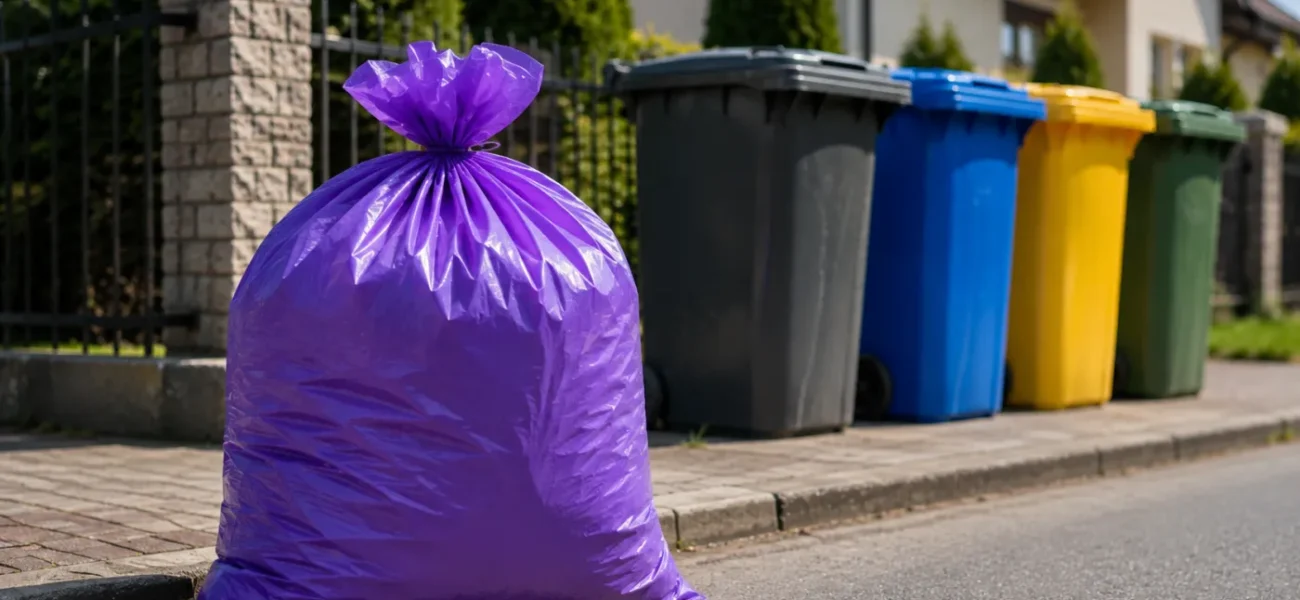
Municipalities organize collections based on local conditions, meaning some require residents to visit collection points while others use mobile drives or purple bags. Although purple bags are becoming common for textiles, they are not a nationwide standardized color established by regulations.
Schedules and Property Requirements
Local authorities establish specific schedules, such as Raba Wyżna collecting textiles twice a year using labeled purple bags, or Konstancin-Jeziorna and Andrespol operating quarterly pickups. Residents must adhere to local deadlines and set out containers or bags on time.
Financial Penalties for Improper Sorting
Throwing textiles into mixed waste bins leads to administrative procedures and elevated waste management fees. Municipalities are legally permitted to charge double, triple, or quadruple the standard base rate for property owners who fail to sort their waste correctly.
Enforcement Across Municipalities
Cases in Olsztyn and other regions confirm that local governments actively issue decisions for elevated fees due to sorting violations. Depending on local regulations, residents may receive warnings before penalties are finalized.
Acceptable Items and Ministry Guidelines
Selectively collected textiles include used clothing, footwear, home textiles, towels, blankets, bedding, curtains, and tablecloths. Usable clothing suitable for reuse can still be directed to separate containers or charitable organizations.
Checking Local Regulations
Because there is no single nationwide collection model, residents must verify local municipal schedules and requirements to avoid unexpected penalties and ensure compliance with waste management rules.