



Krakow City Council’s Agenda, Budget Work, and Public Participation Through the End of 2026
As the holiday season ends, the Krakow City Council outlines its upcoming schedule, budget preparations, and public engagement opportunities through the end of 2026. RMK Sessions According to the...
As the holiday season ends, the Krakow City Council outlines its upcoming schedule, budget preparations, and public engagement opportunities through the end of 2026.
Table Of Content
RMK Sessions
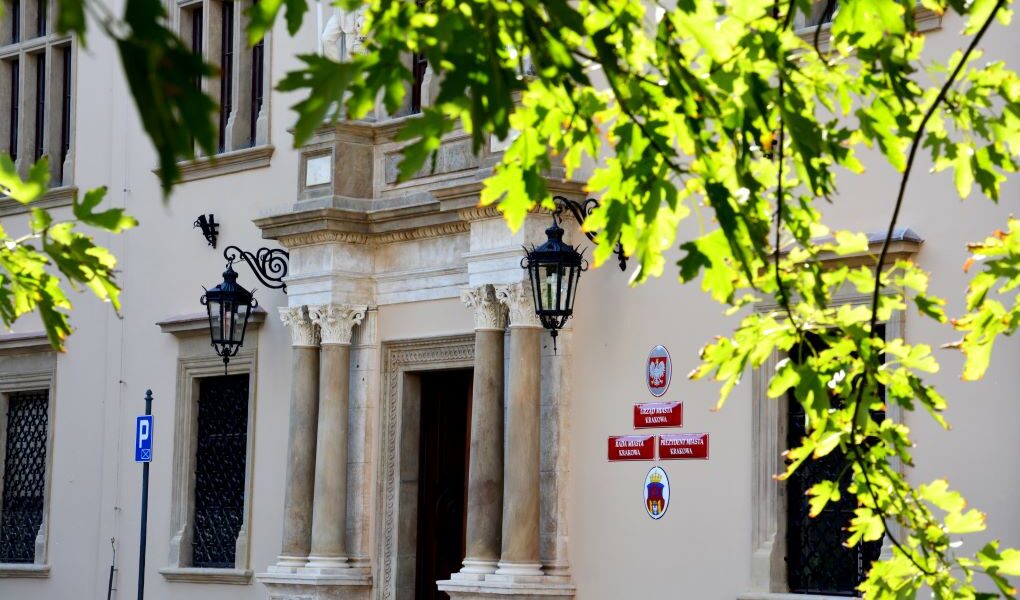
According to the adopted schedule of ordinary sessions, six meetings remain planned until the end of 2026. Councilors will meet in the Debate Hall at Plac Wszystkich Świętych 3-4 on the following dates: August 26, September 16, October 21, November 18, December 2, and December 16.
Special attention should be paid to the last two December meetings. They will be largely devoted to processing key documents: the city budget for 2027 and the Long-Term Financial Forecast of the City of Krakow. It is these legal acts that will determine the framework within which infrastructural, educational, and cultural investments will be implemented in the near future.
In addition to ordinary sessions, the Krakow City Council also deliberates in extraordinary and ceremonial modes. These are convened by the Chairman of the RMK in justified situations, such as the need to make urgent decisions or organize events related to the presentation of municipal awards and titles. The request to convene an extraordinary session must be supported by at least one-third of the councilors. It is difficult to definitively determine how many such meetings will be on the calendar by the end of the year. In the first half of 2026, there was one ceremonial session (on the occasion of the City Holiday, during which the act of granting Honorary Citizenship was presented to Prof. Krystyna Anna Zachwatowicz-Wajda) and two extraordinary sessions.
We remind you that the deliberations of the Krakow City Council can be followed live online at www.krakow.pl/rmklive.
Committee Work
Decisions made at sessions are based on prior analytical work. This is handled by committees, which, among other things, issue opinions on draft resolutions (prepared by the City Mayor, the Chairman of the RMK, or groups of councilors, among others), carry out matters in accordance with their jurisdiction, or submit motions to the Mayor.
The Main Committee, whose tasks include drafting and presenting to the Council for adoption—after seeking the opinion of other committees—the Council’s work plan for a given year, as well as settling disputes between Council bodies and between Council bodies and councilors (excluding matters referred to the Disciplinary Committee), has scheduled its meetings for: September 7, October 12, November 9, November 23, and December 7. The remaining standing substantive committees—totaling eighteen including the Main Committee—meet regularly, mainly in the weeks preceding the council sessions.
Importantly, committee meetings are generally open to the public. This gives residents the opportunity to attend meetings, listen to discussions, and view the minutes. The dates of all committee meetings can be found on the Public Information Bulletin (BIP) website of the City of Krakow, under the RMK Committees tab.
Direct Contact with Councilors
An important element of the councilors’ work remains building a lasting bond with residents. It is worth taking advantage of the opportunity for a direct meeting and presenting local problems.
Councilors have useful tools at their disposal, such as interpellations and inquiries submitted to the Mayor of the City of Krakow. The exchange of opinions takes place, among others, during duty hours. Their current dates are made available on the City of Krakow’s BIP website under the Councilors’ Duty Hours tab. Verified information on the work of the local government can also be found on the Magiczny Kraków website (Local Government section) and on the official Facebook and Instagram profiles of the Krakow City Council.