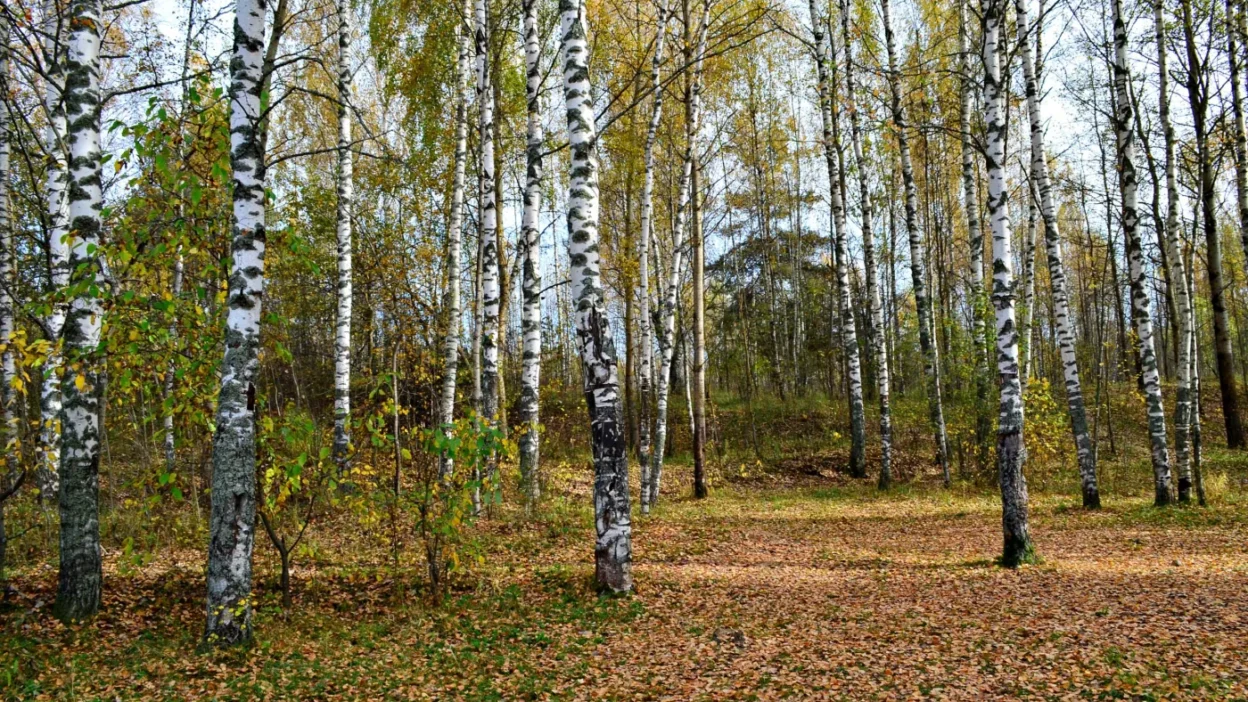
Polish landowners face potential fines for illegally cutting birch trees on their property in 2026, requiring awareness of current regulations.
Birch Tree Felling Regulations in 2026
Many landowners assume they can freely cut trees on their property, but Polish regulations can be surprising, and errors can lead to substantial penalties. It’s crucial to understand the legal requirements before felling a tree.
Rules for Felling Trees on Private Property
Trees, including birch trees, can be felled on private property, but specific rules must be followed to avoid fines imposed by the local mayor or council. Before felling, measure the tree’s circumference at 5 cm above the ground and identify its species.
If the species is unknown, a local official can identify it after receiving a notice of intent to remove the tree. The circumference determines whether a felling permit is required. For most trees, a permit isn’t needed if the circumference is less than 50 cm, but reporting the felling is still advisable.
Reporting Requirements and Interpretation of Laws
Article 83f of Polish law emphasizes the obligation to inform authorities of the intent to remove a tree in most cases. When in doubt, it’s best to contact the local municipality or environmental protection department to confirm reporting requirements.
There are differing interpretations of the law between landowners and officials. However, many officials state that reporting is required almost always, even if a permit isn’t. For safety, it’s better to seek local information or report the felling.
Permit Requirements Based on Circumference
You can fell a tree without a permit if it’s on your property or with the owner’s consent, provided the trunk circumference doesn’t exceed certain limits.
If a birch tree’s circumference exceeds 50 cm, a permit is required. In this case, the circumference must be measured at a height of 130 cm and included in the permit application.
If the tree is over 130 cm circumference, specific measurements are required for the application.
Mandatory Reporting, Regardless of Circumference
Regardless of the tree’s circumference, felling must always be reported to the authorities, even if a permit isn’t required.
Penalties for Illegal Felling
Removing a tree against these rules results in a financial penalty determined by the mayor, city president, or council. The penalty is twice the cost of legally removing the tree. If removal is exempt from fees, the penalty equals the fee that would have been charged.
For example, for a birch tree in the second fee group, the cost is 25 zł per centimeter of circumference up to 100 cm, and 30 zł above 100 cm. The penalty is double this amount. For an illegally felled birch with an 80 cm circumference, the penalty would be 4000 zł.
The penalty calculation uses the circumference measured at 130 cm. If there are multiple trunks, the circumference of the thickest trunk plus half the circumference of the remaining trunks is used, multiplied by the rate from the Minister of the Environment’s regulation of July 3, 2017.
Responsibility and Timing of Felling
If you hire someone to fell a tree that requires a permit or reporting, the owner is responsible for any consequences, not the contractor.
Tree felling should be planned between October 16th and the end of February to avoid the bird breeding season (March 1st to October 15th). Felling during the breeding season may violate species protection regulations. Consulting an ornithologist or specialist is recommended to assess potential impacts on protected species.
Violating species protection regulations can result in arrest or a fine. Serious violations, such as habitat destruction, may lead to criminal charges.